Zhou Zhiyuan:
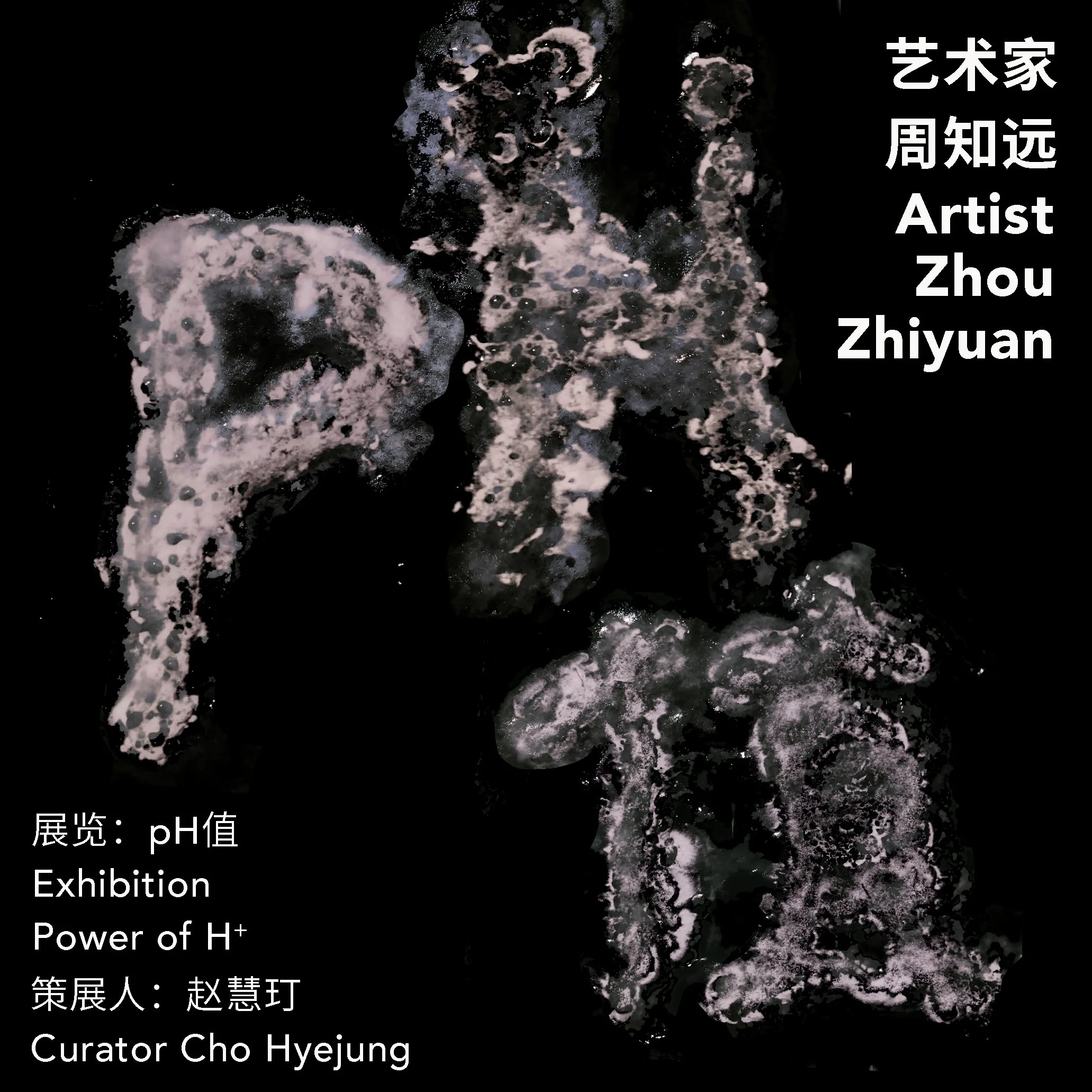
Power of H+
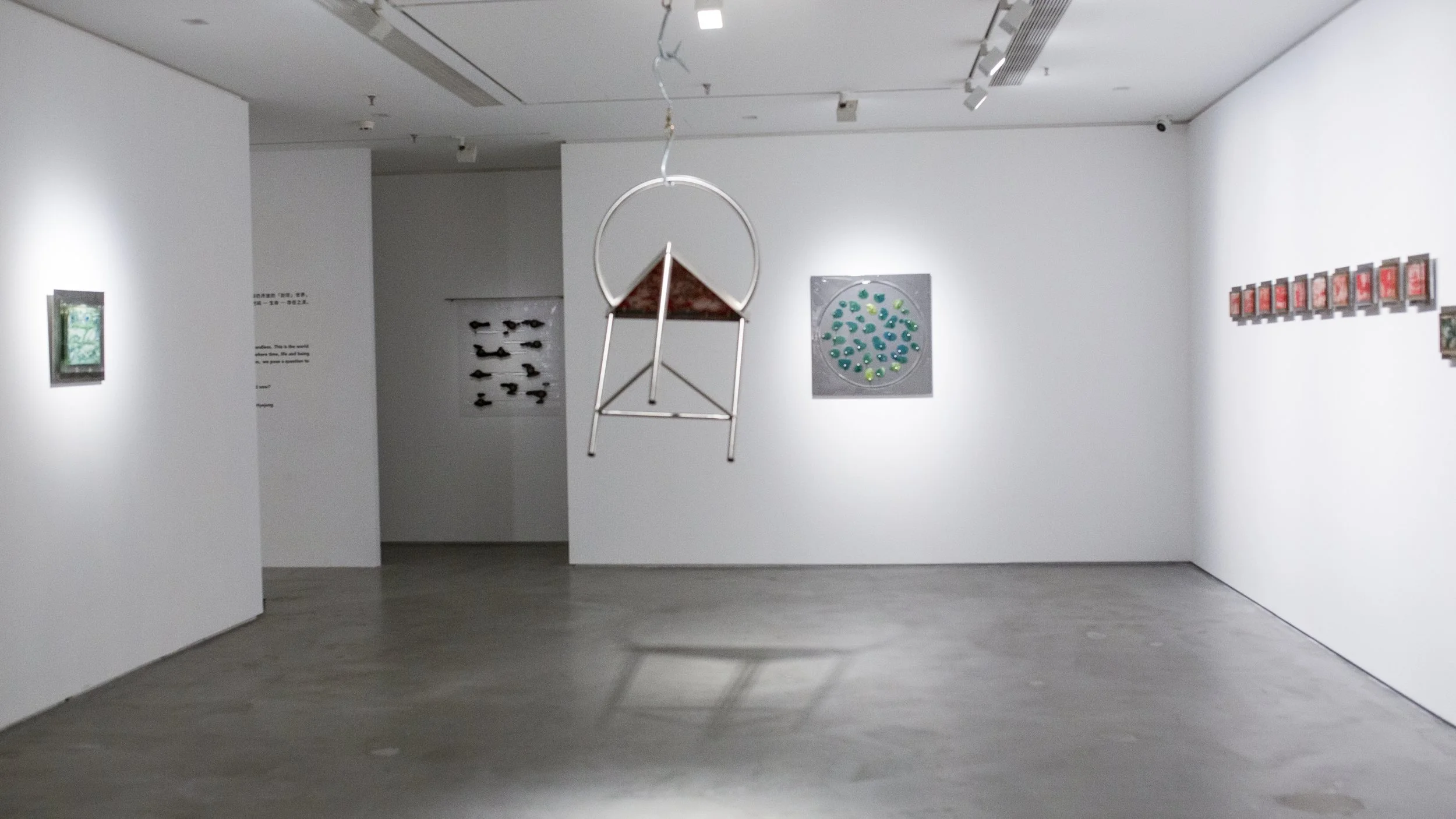
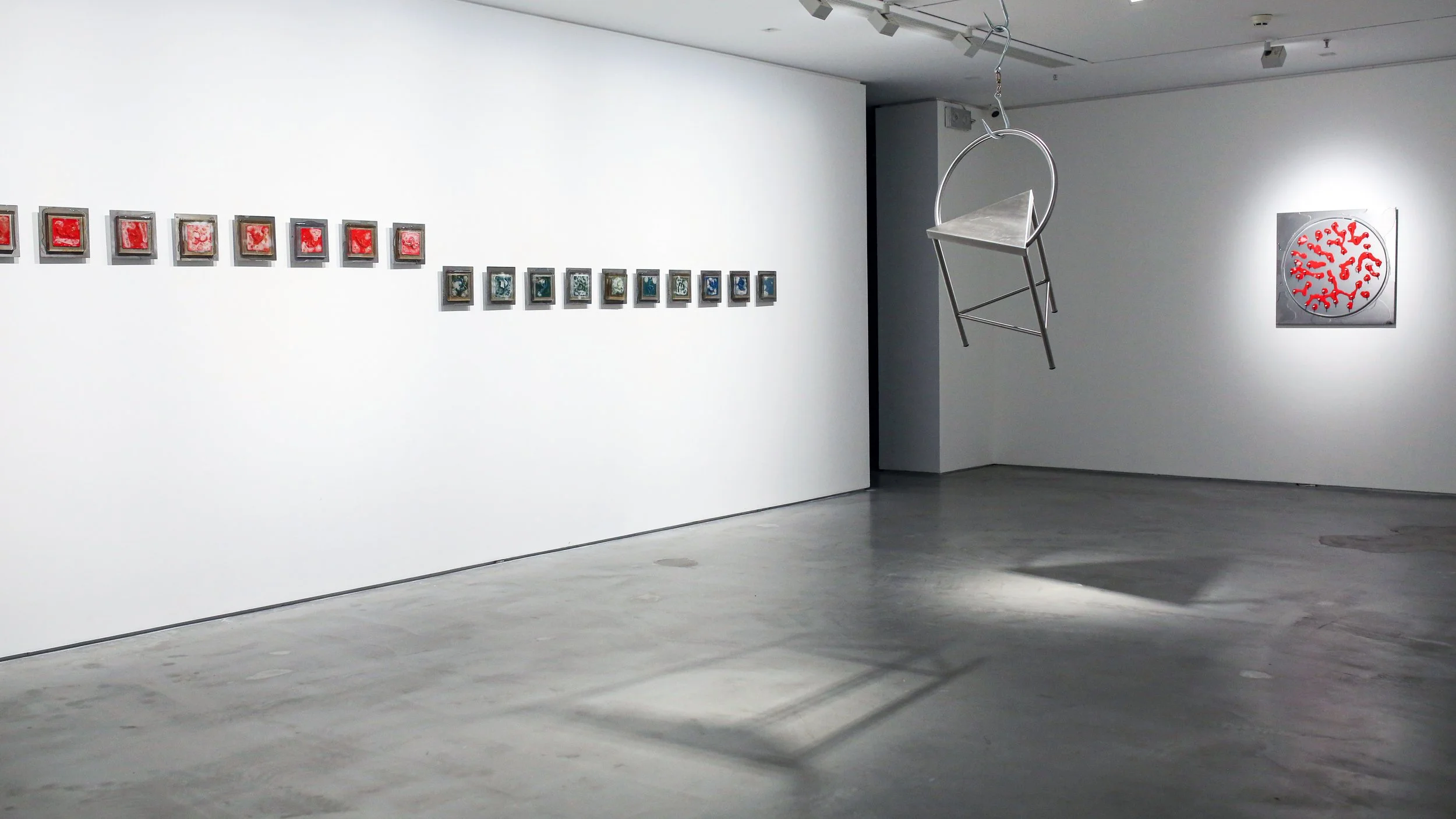
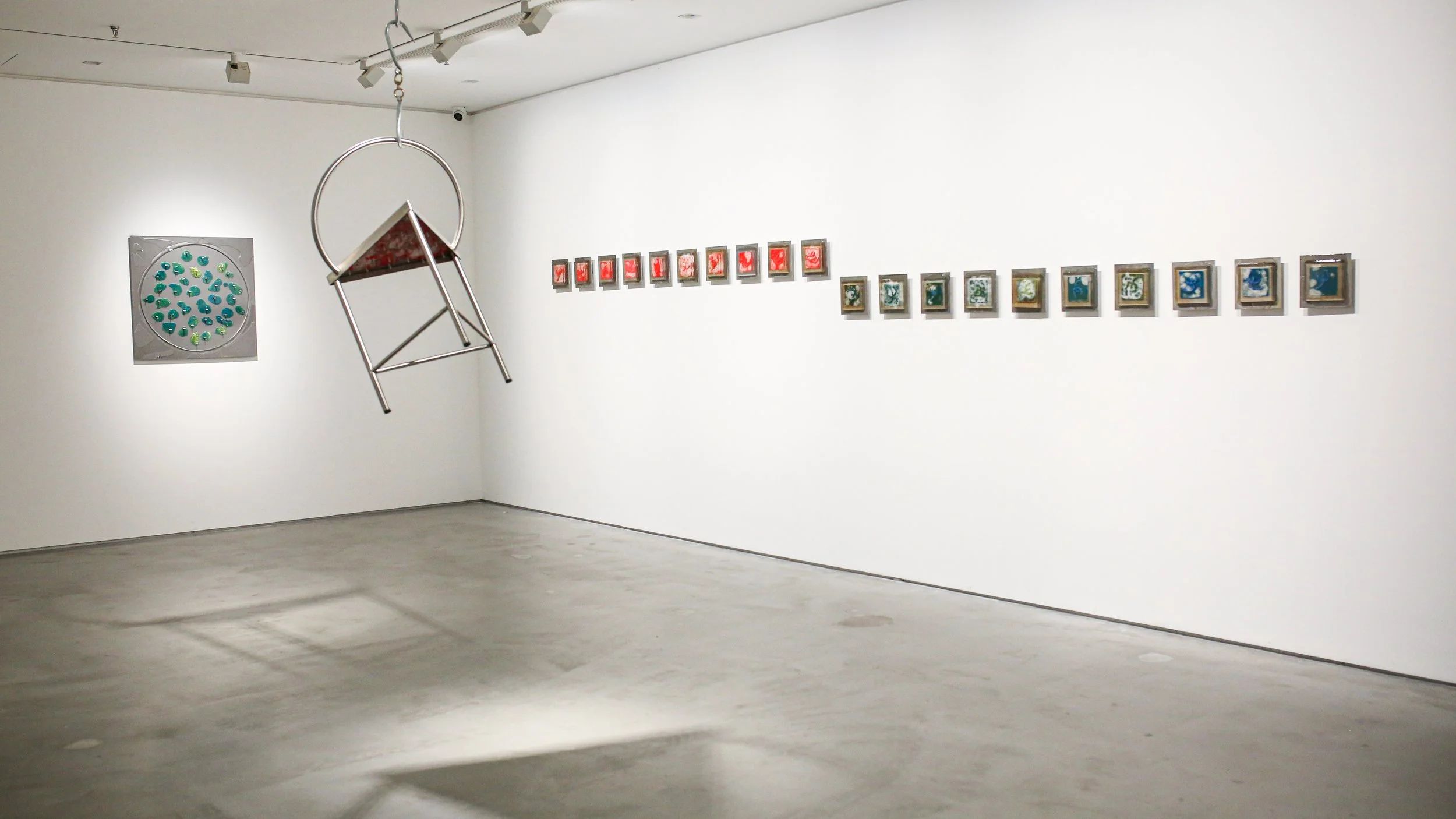
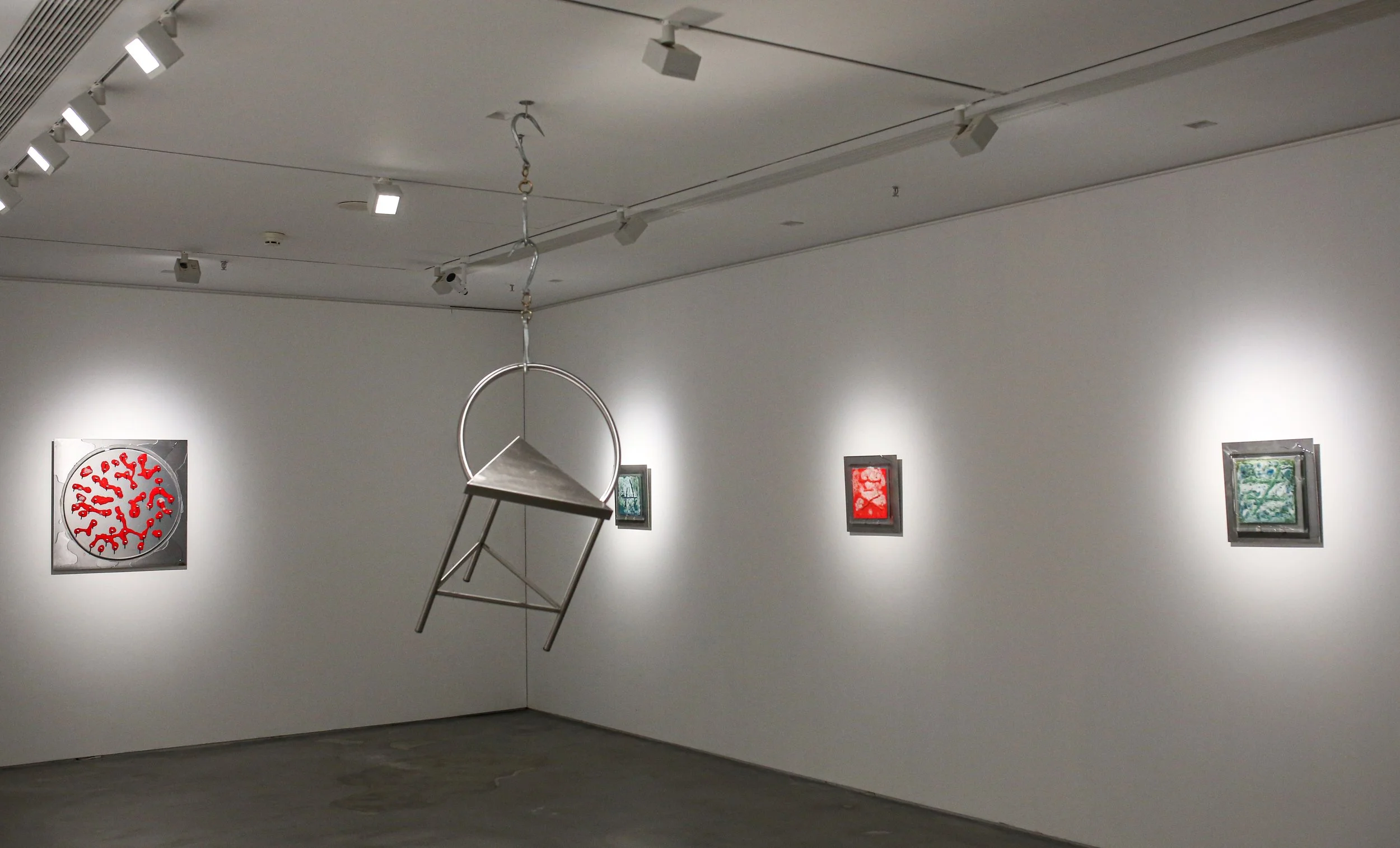
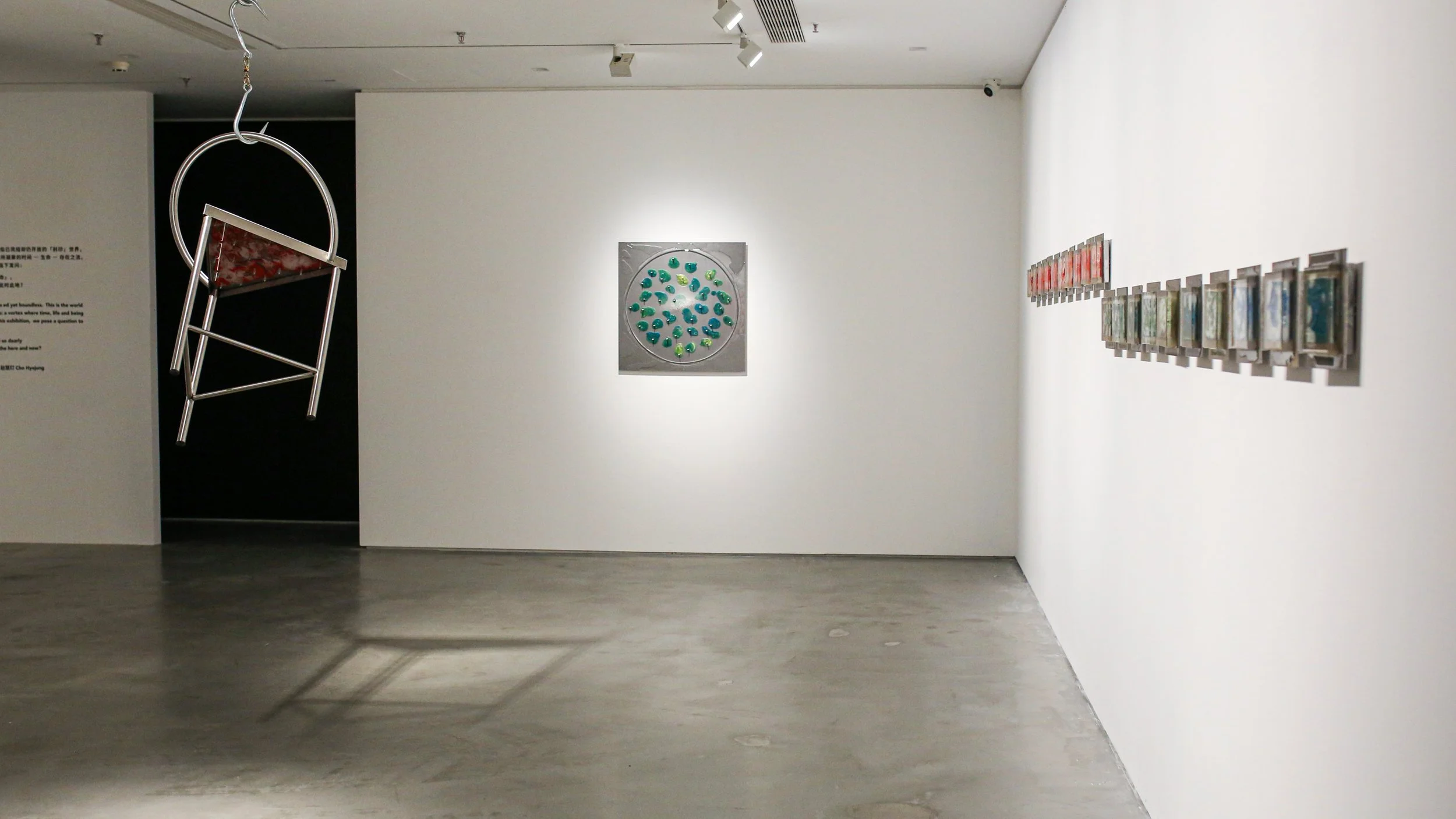
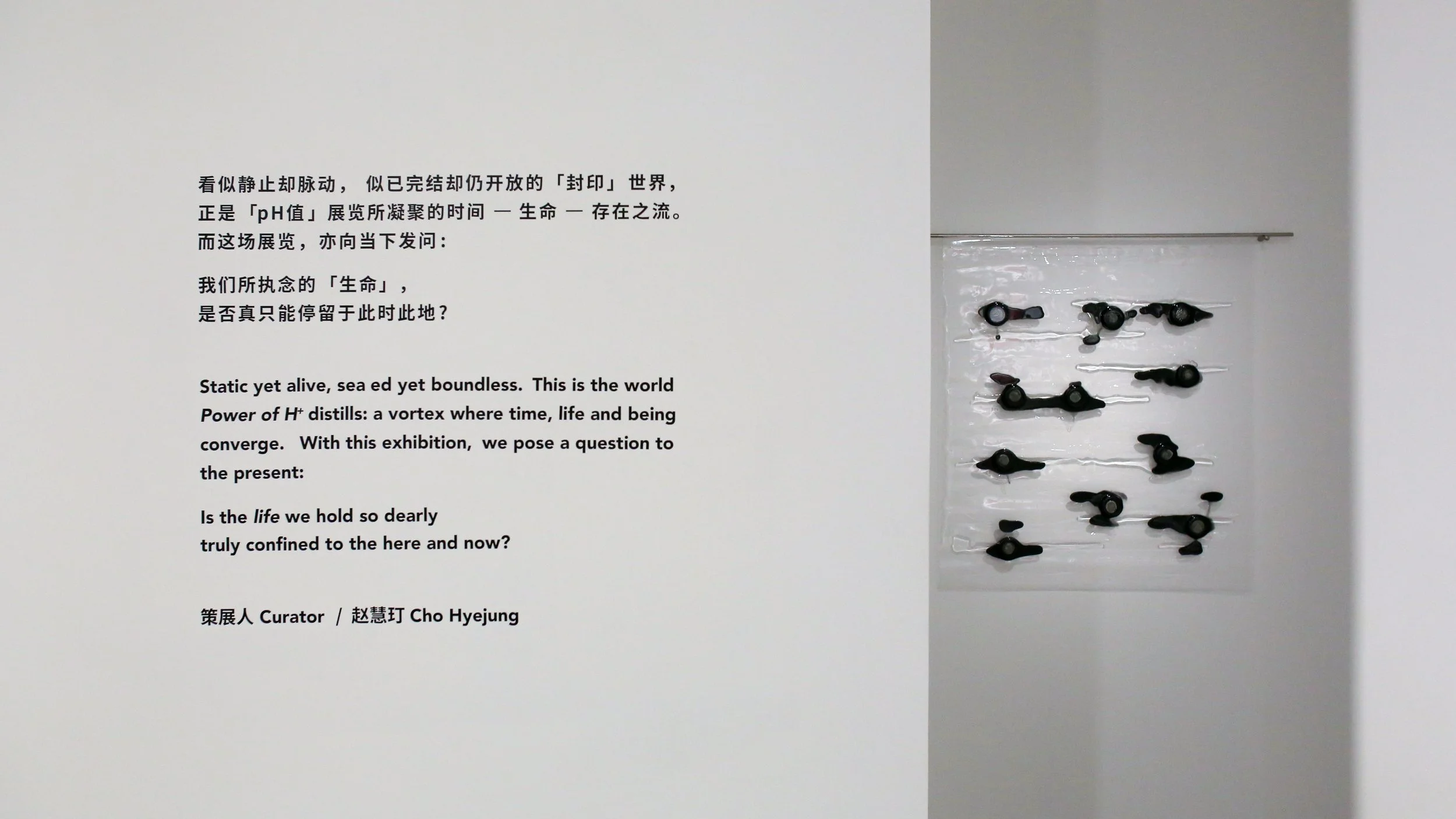
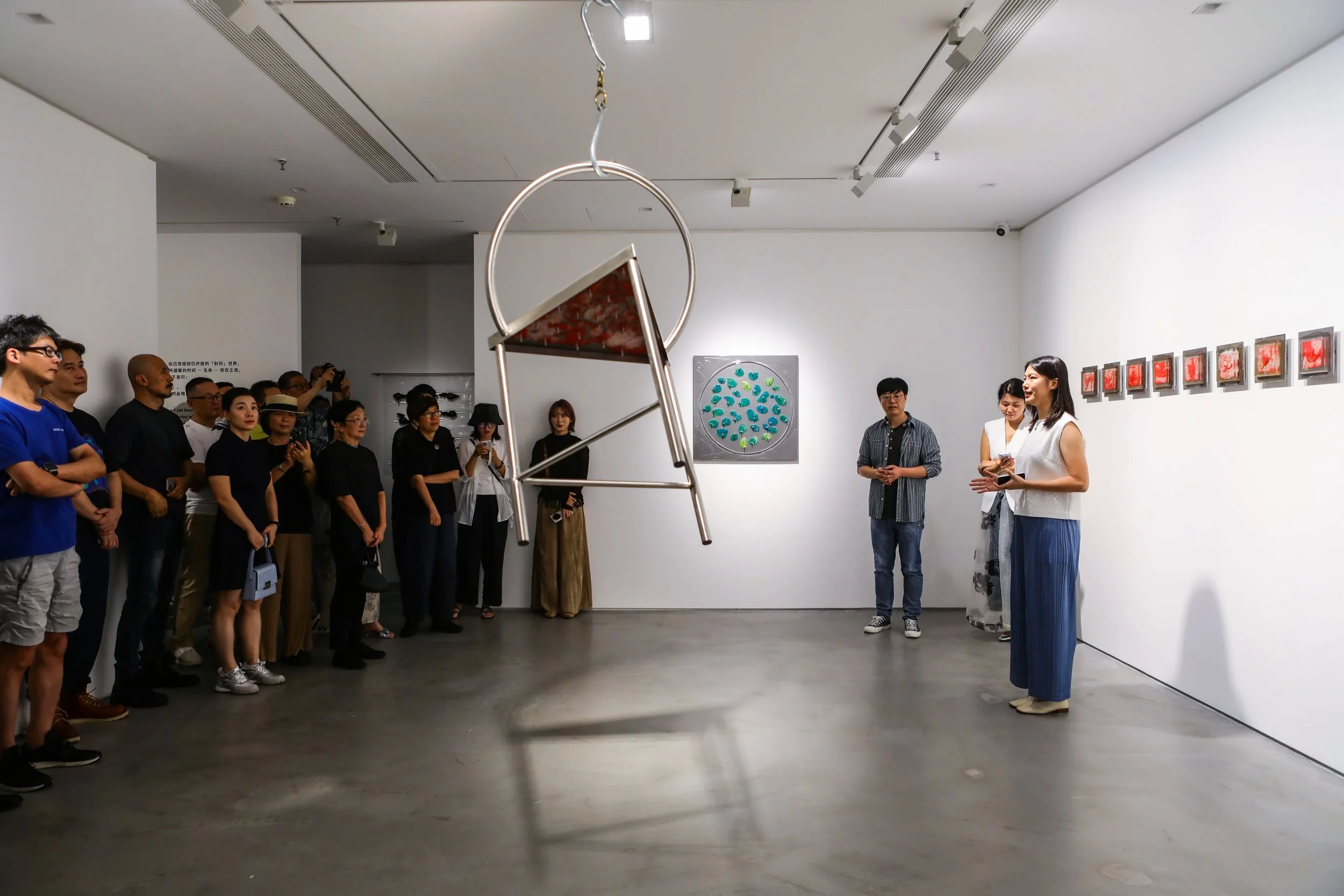
Power of H⁺ is an exhibition structured around fundamental questions of life, time, and existence. Having spent more than two decades working in the Intensive Care Unit (ICU), physician-artist Zhou Zhiyuan has long stood at the threshold between life and death. For him, where medicine reaches its limits, art begins. Medicine and art are not separate domains, but rather unified practices concerned with the ethics of life.

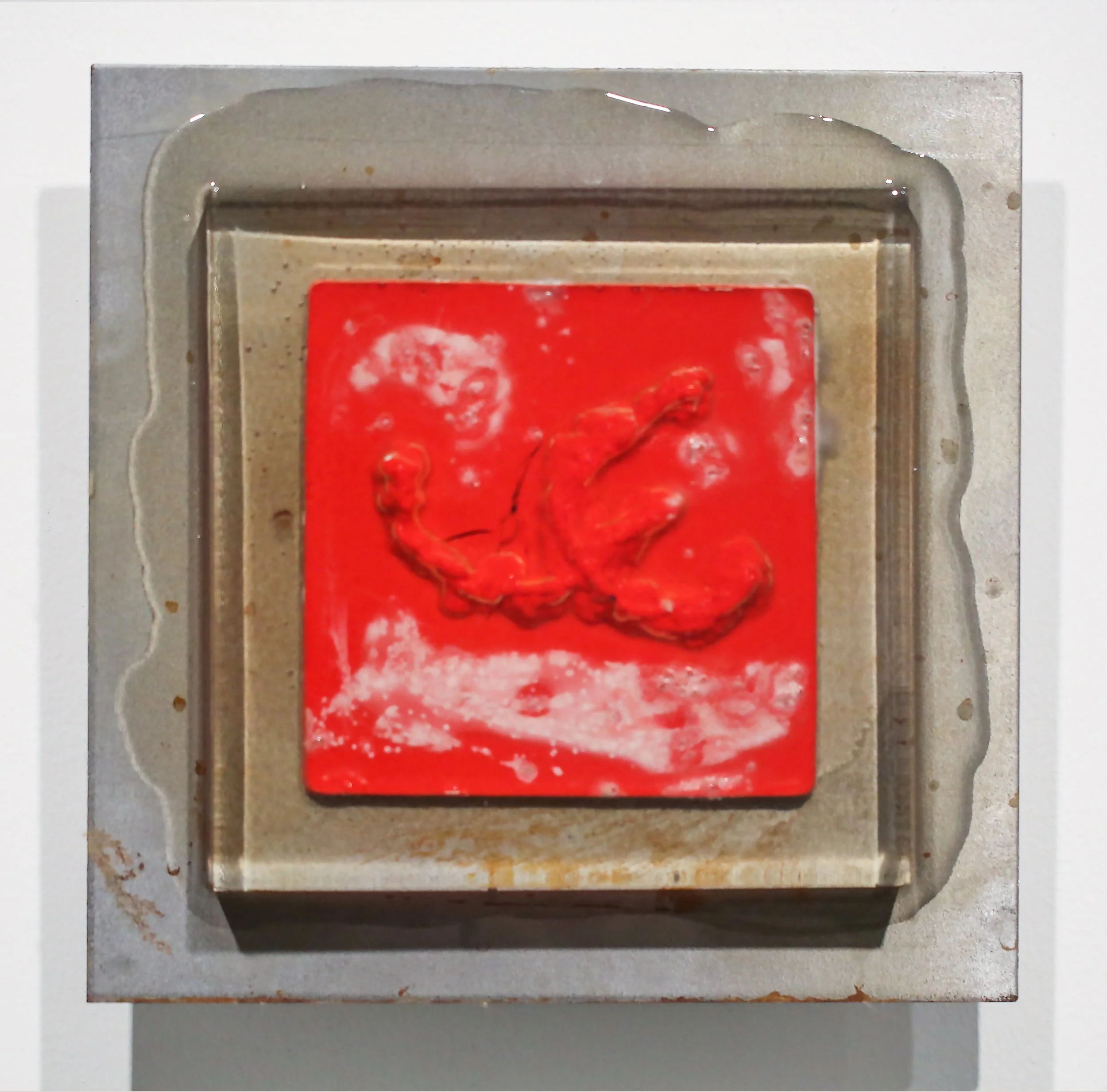
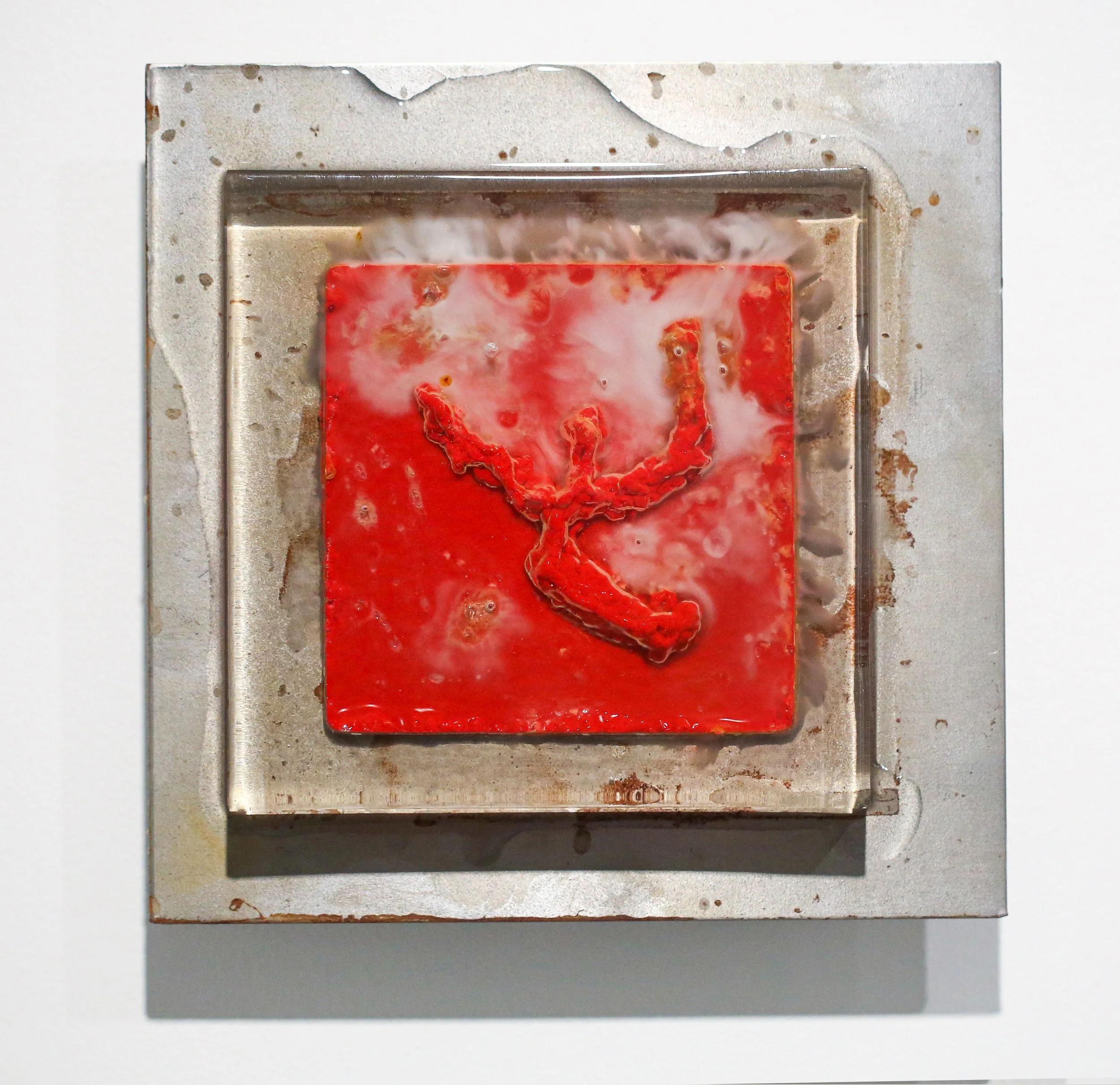
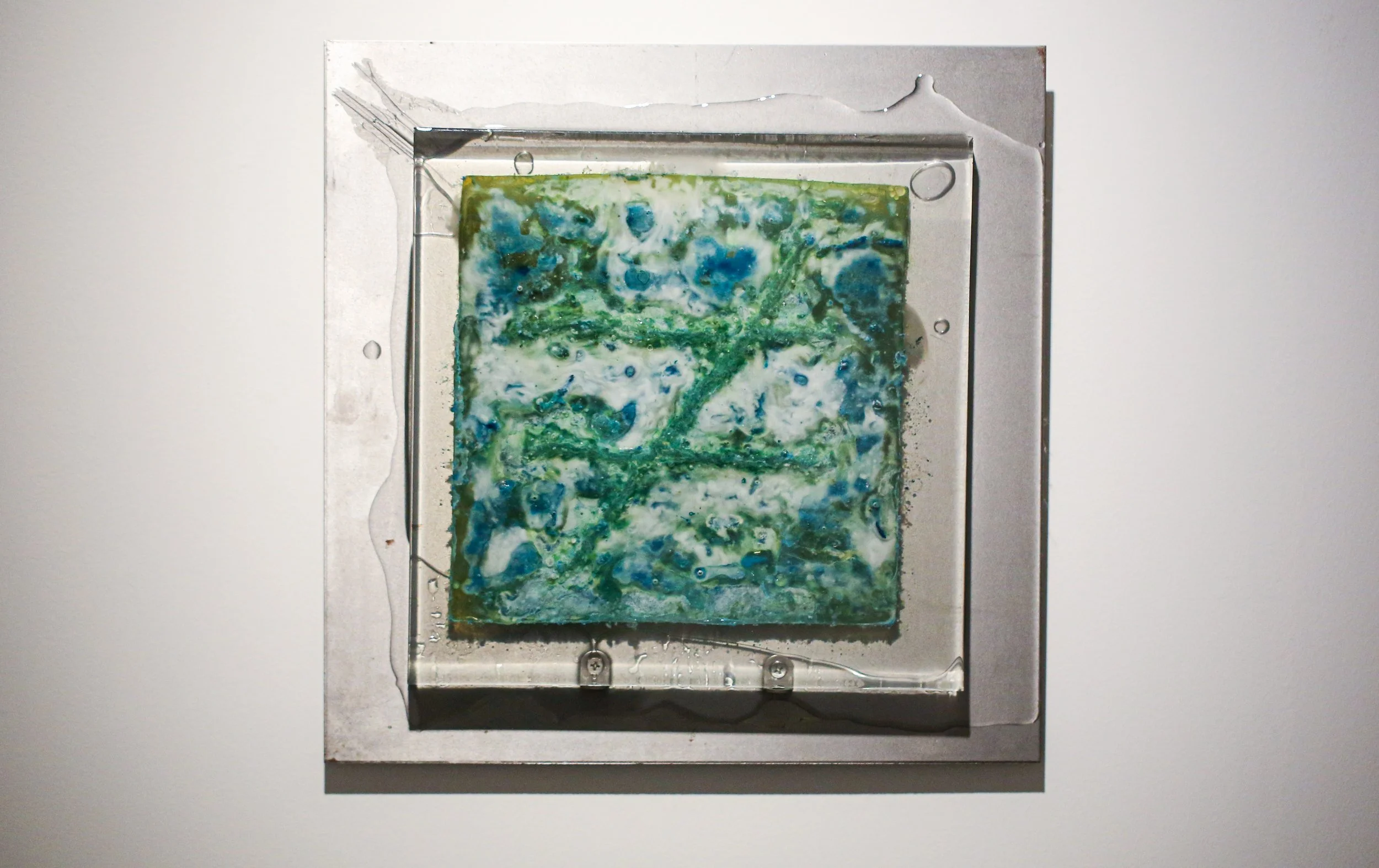
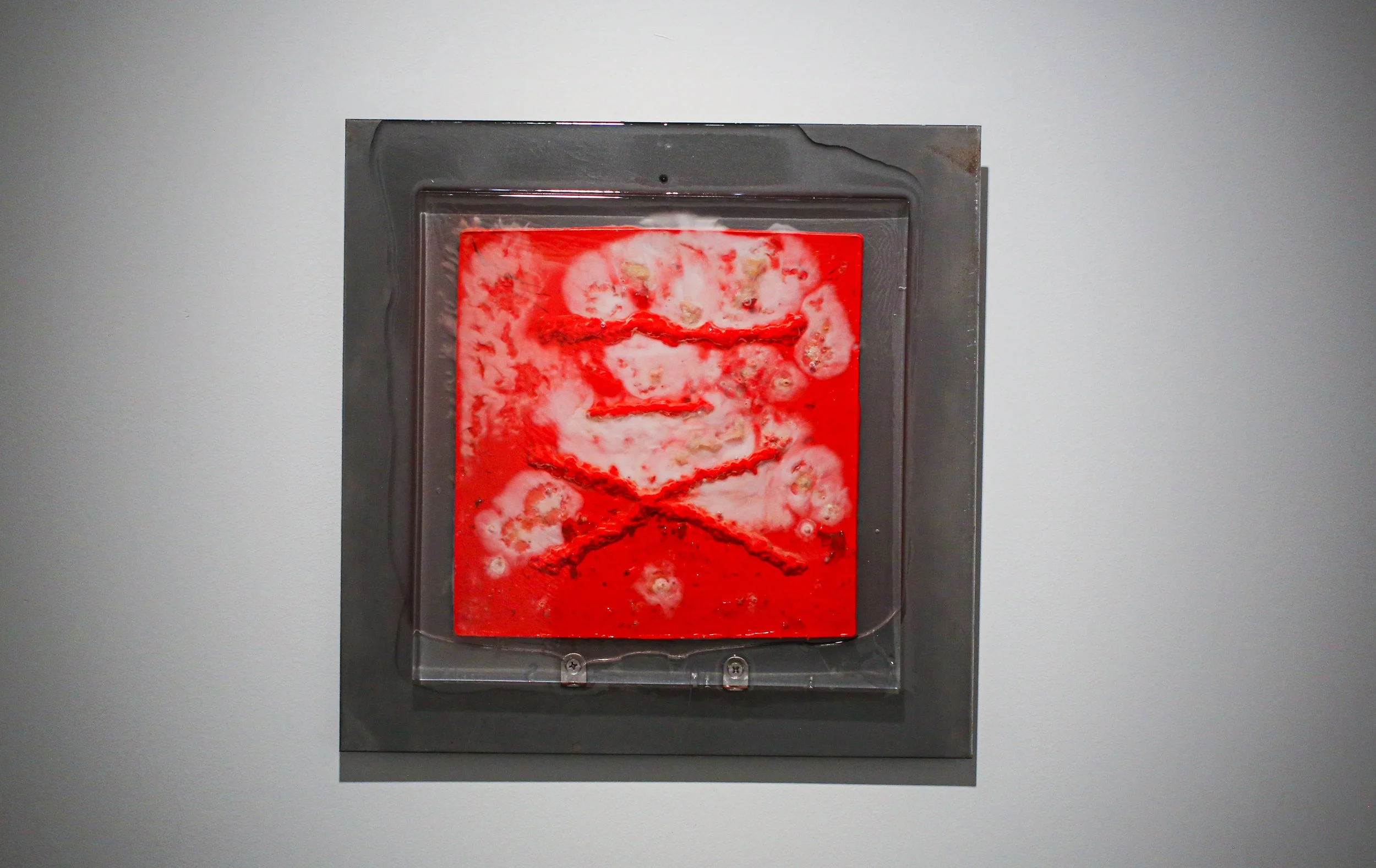
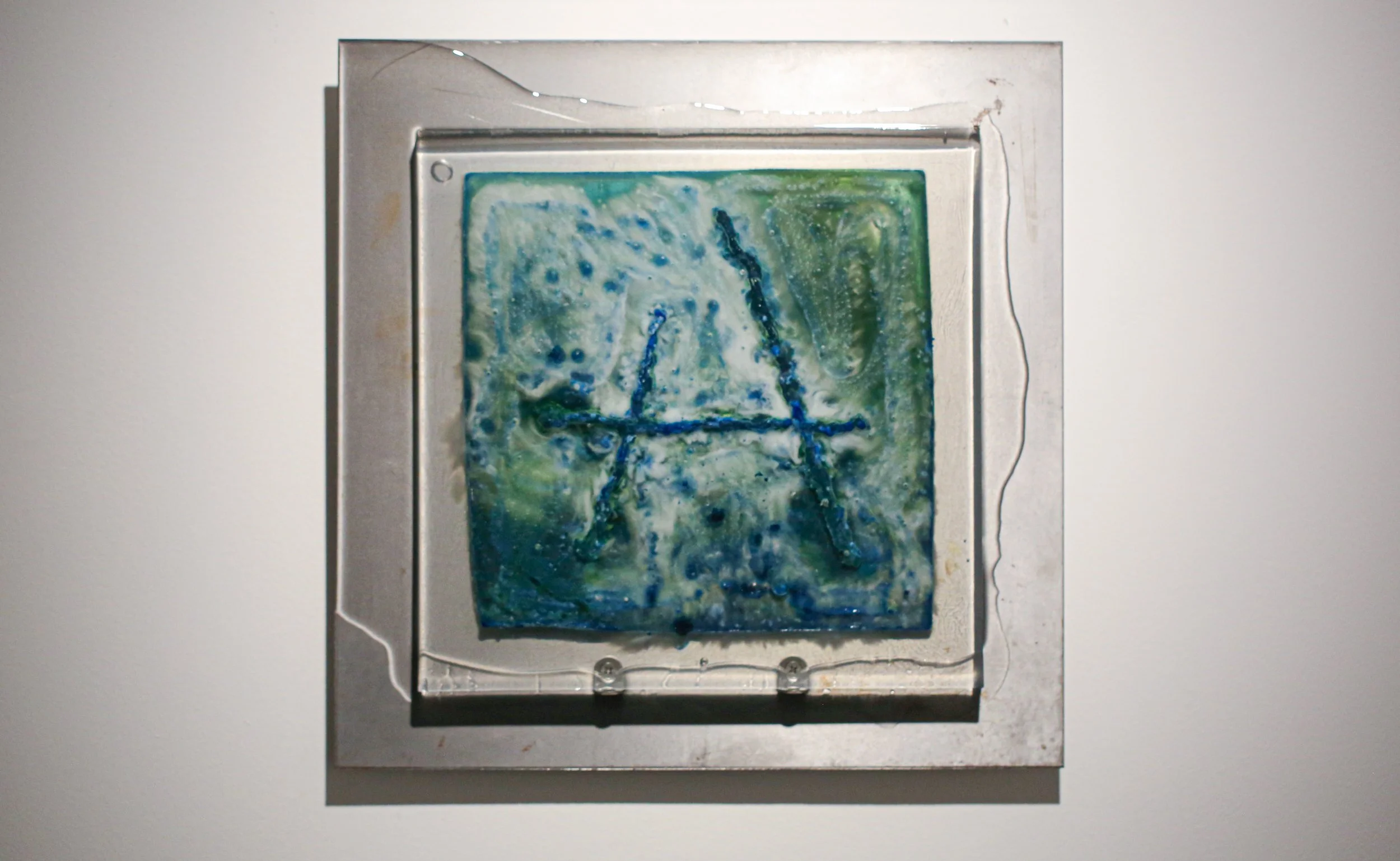
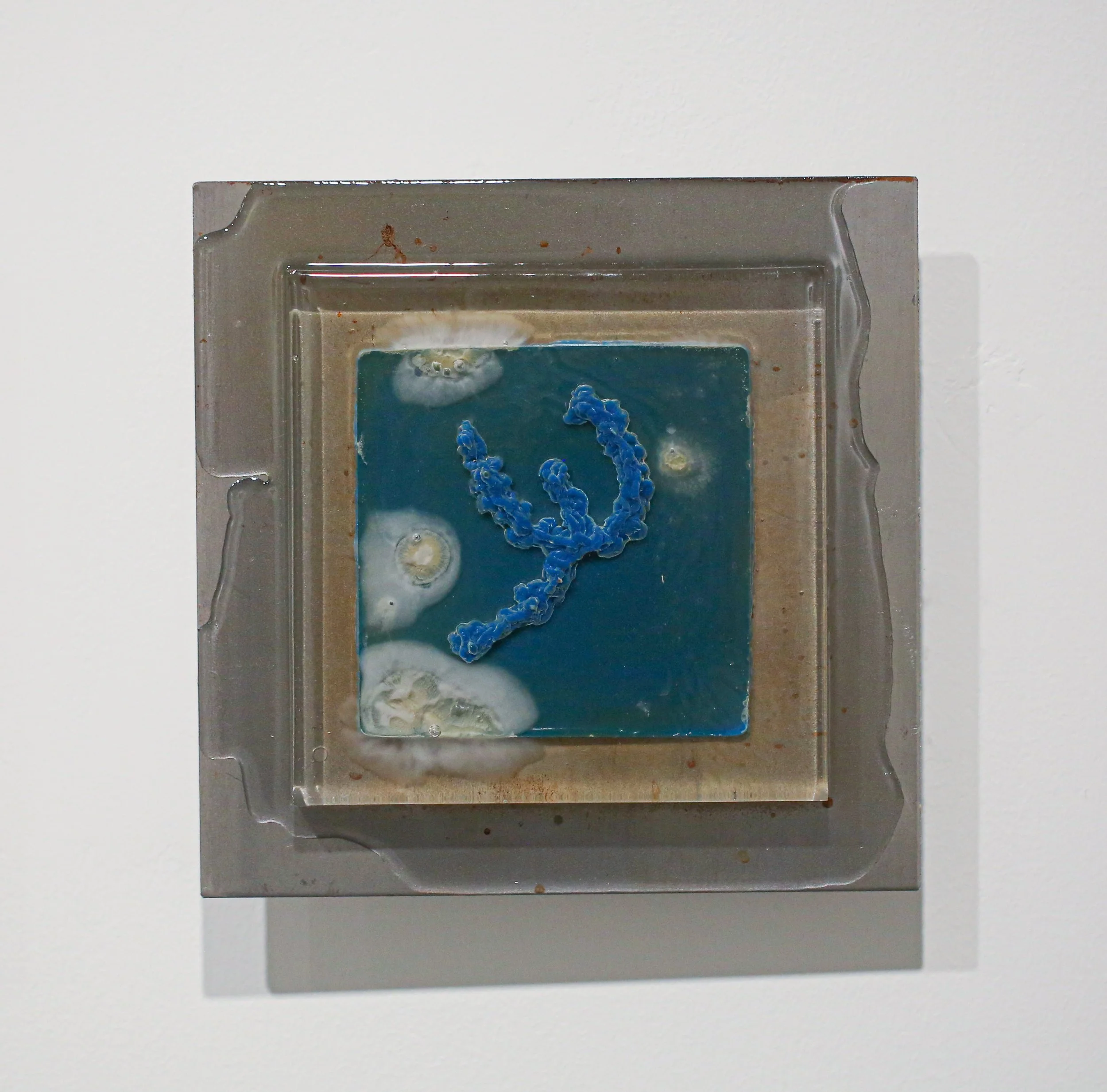
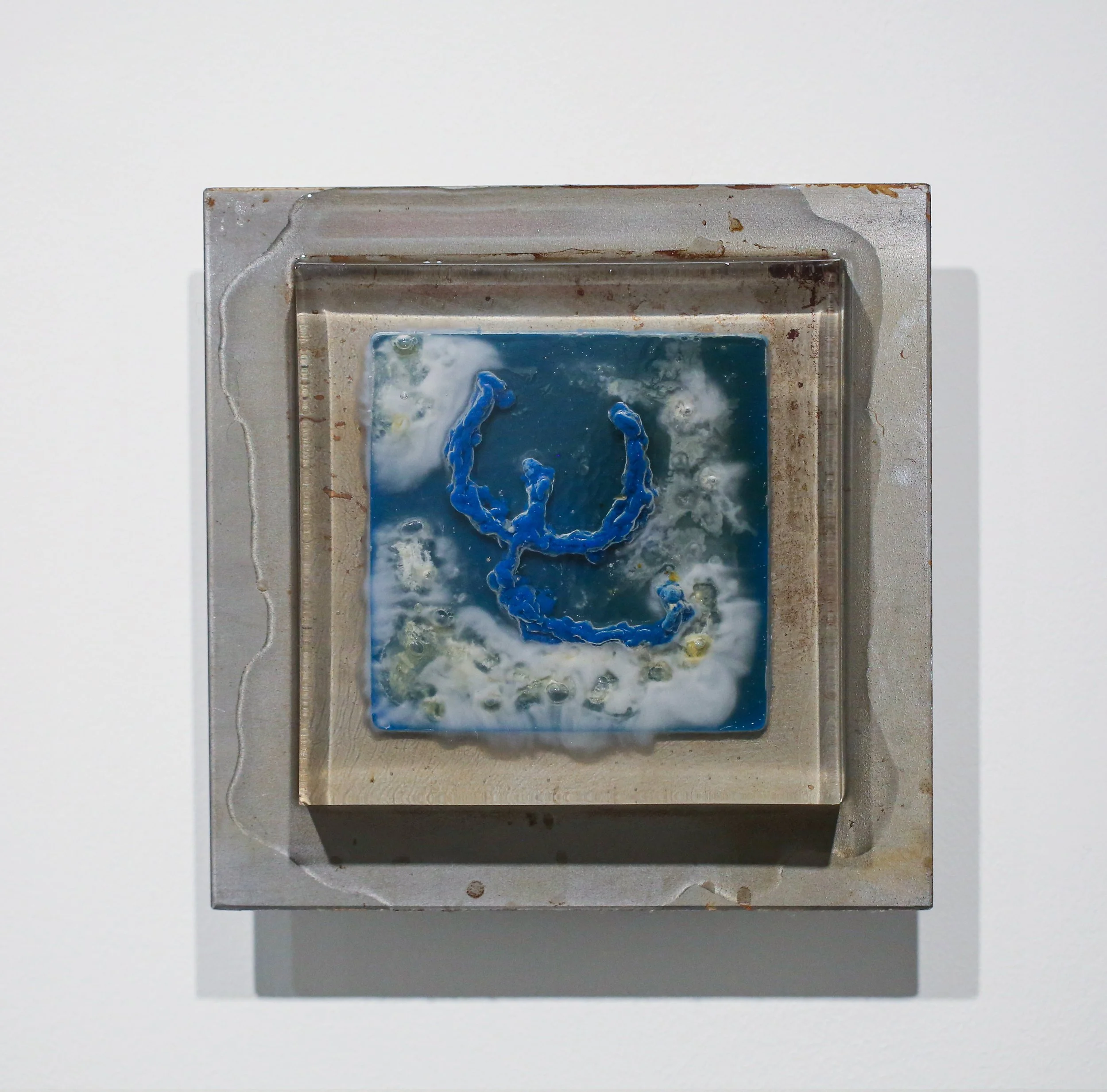
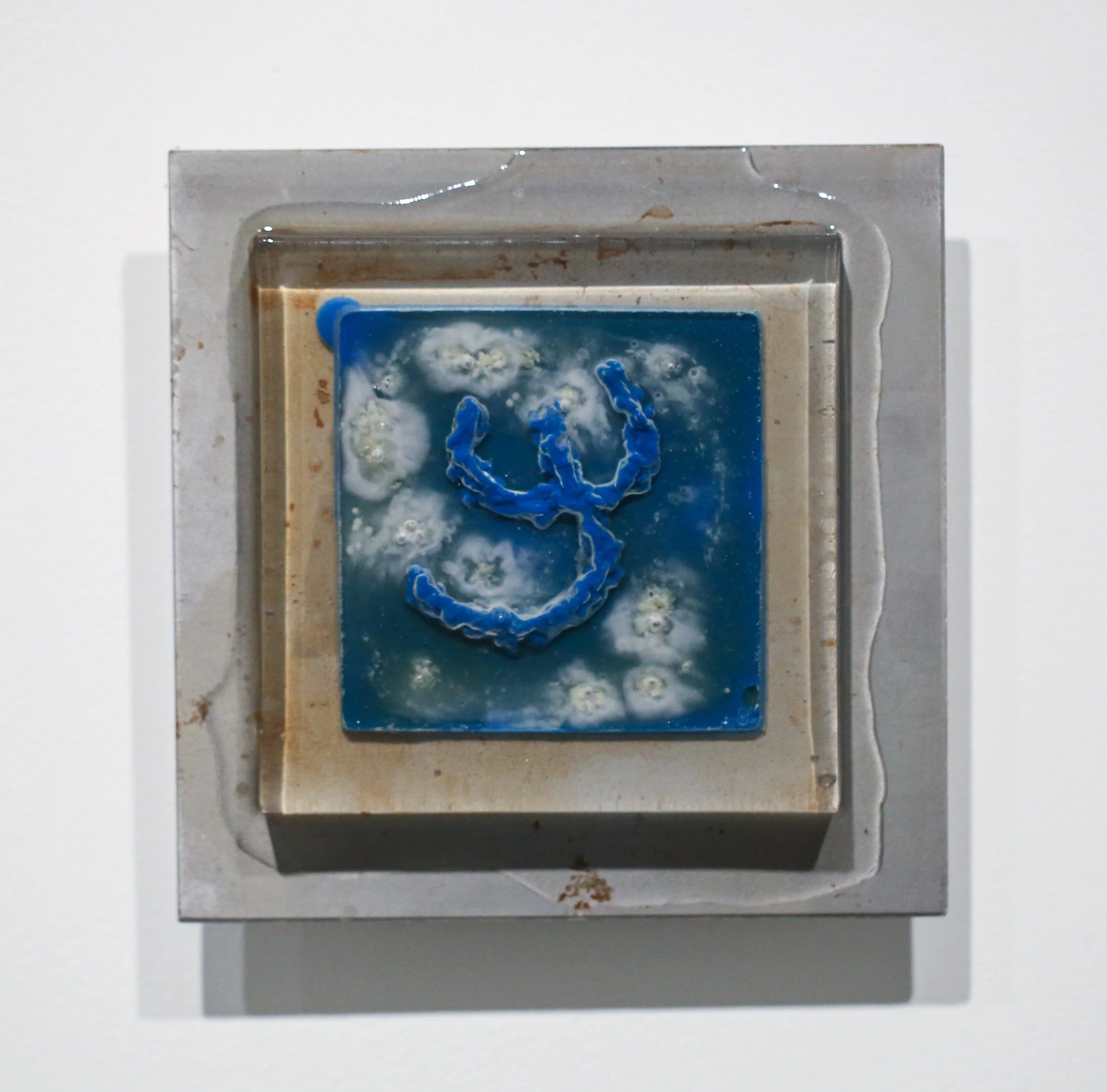
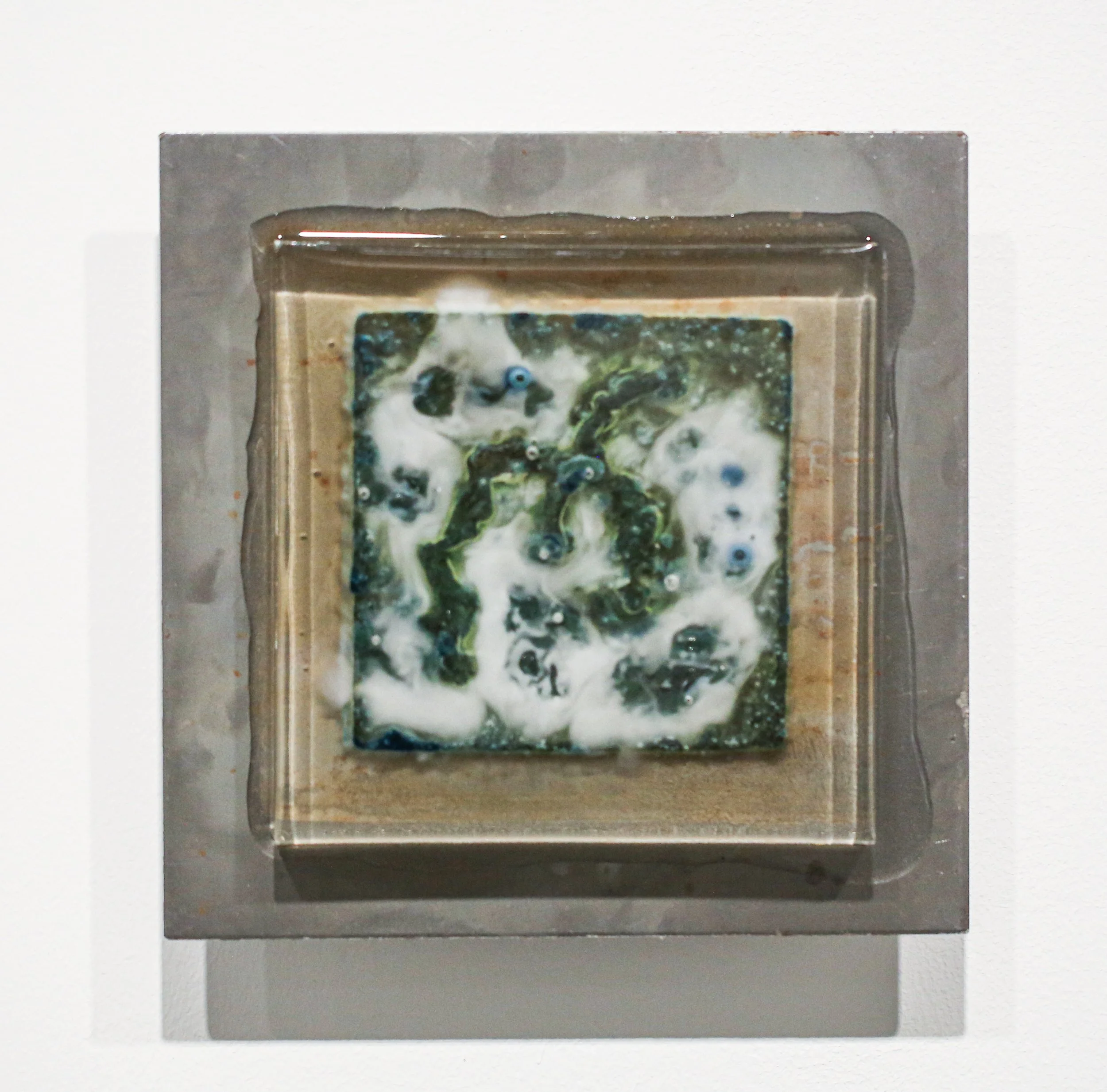
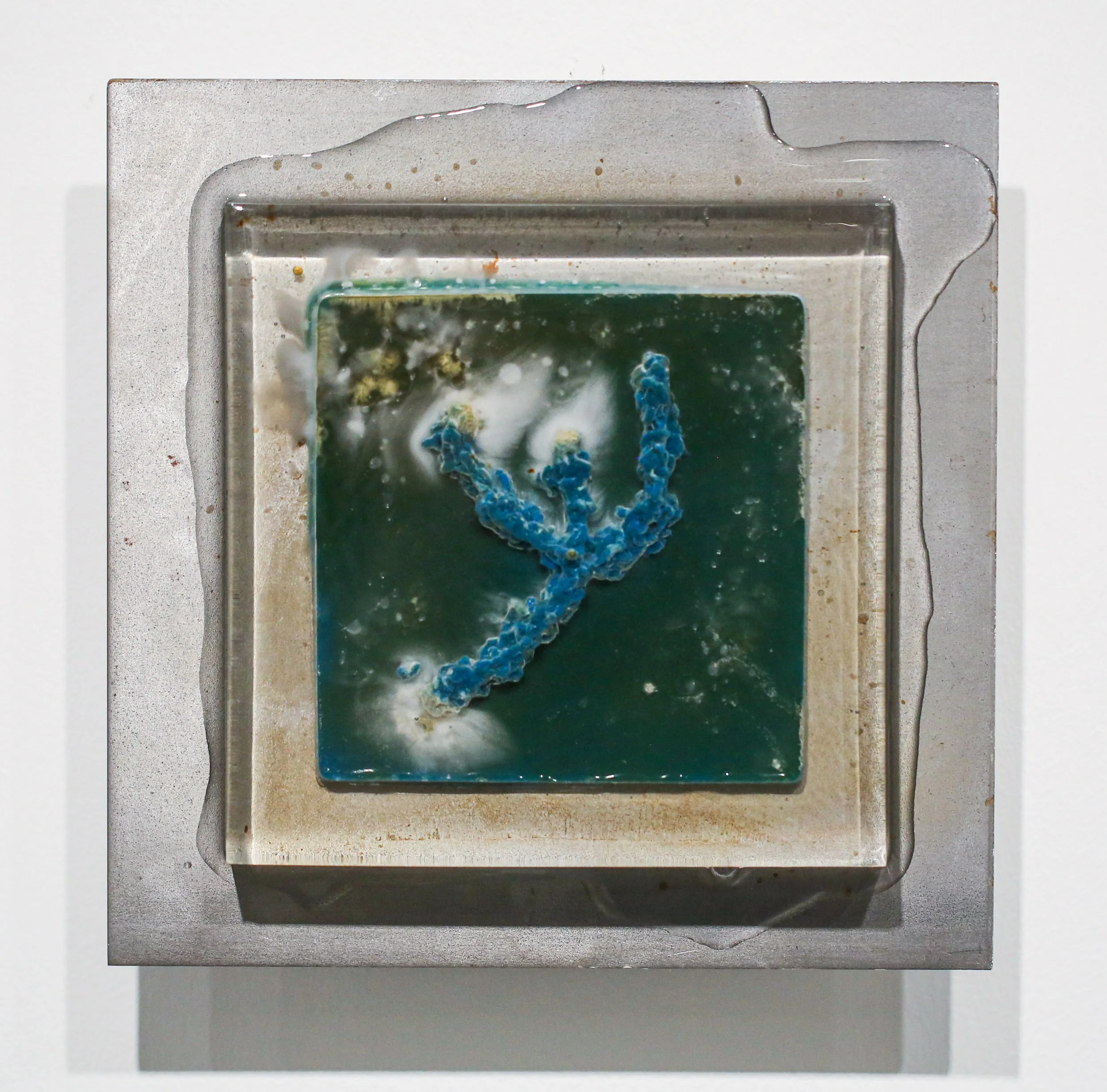
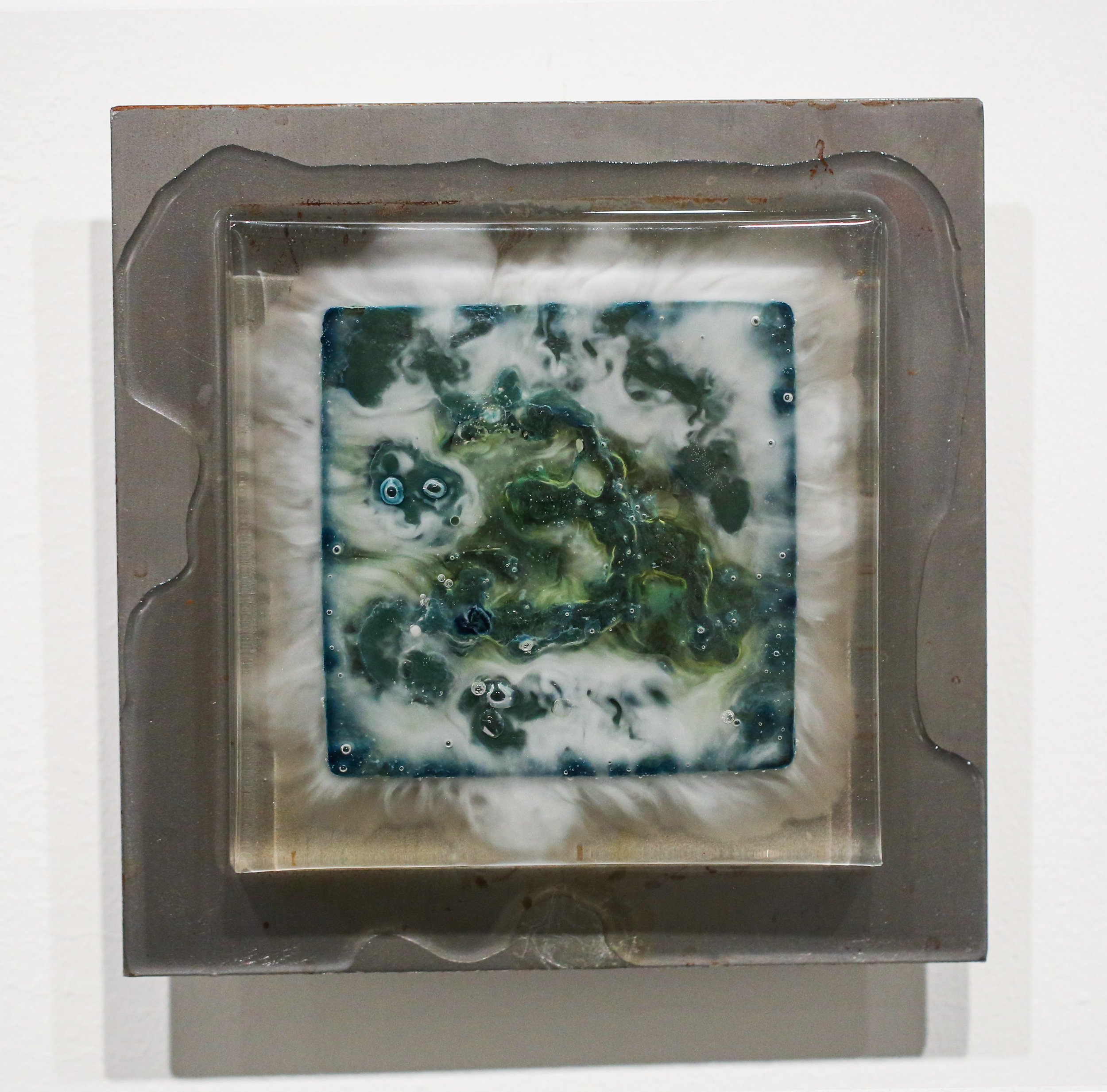
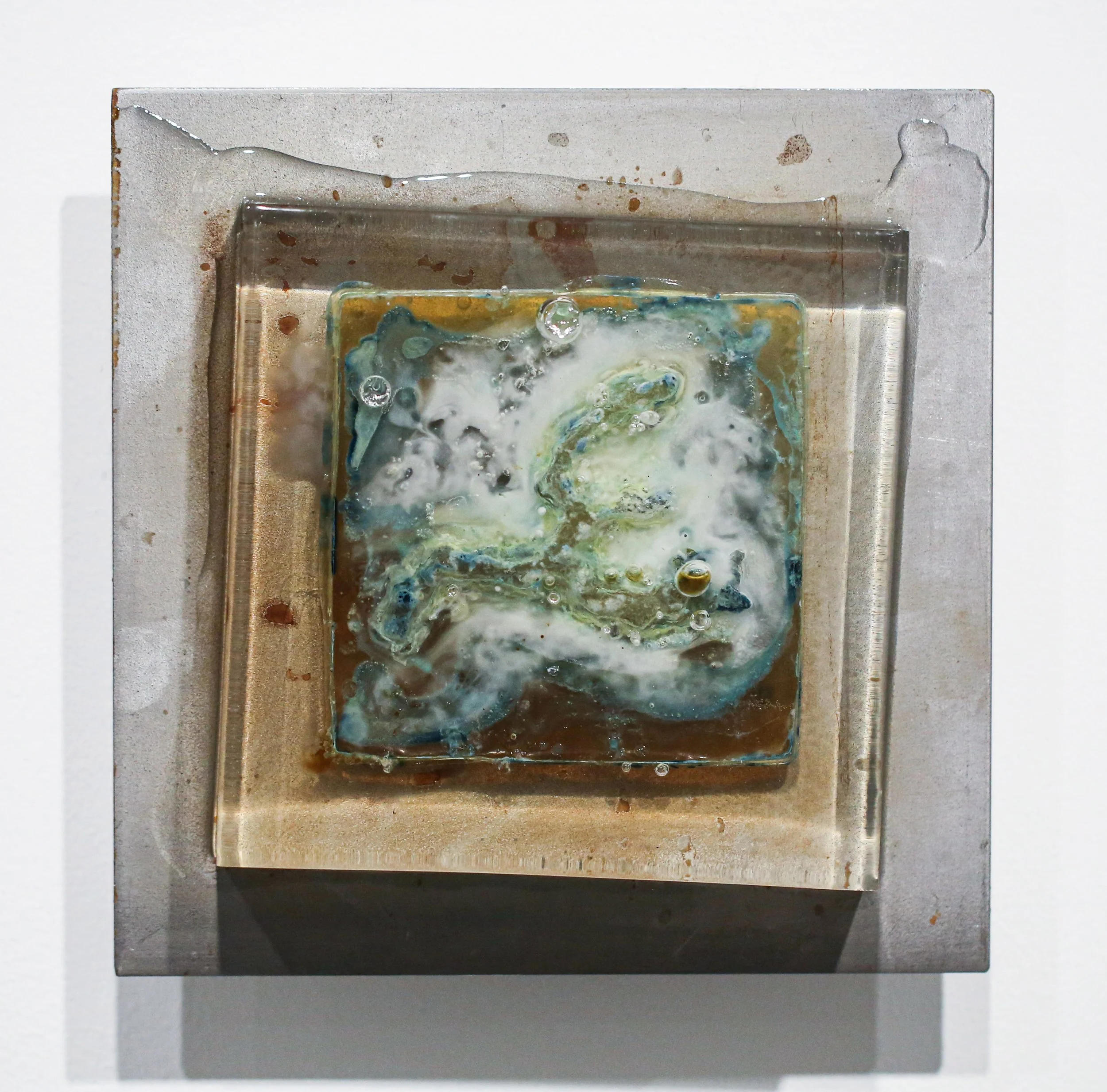
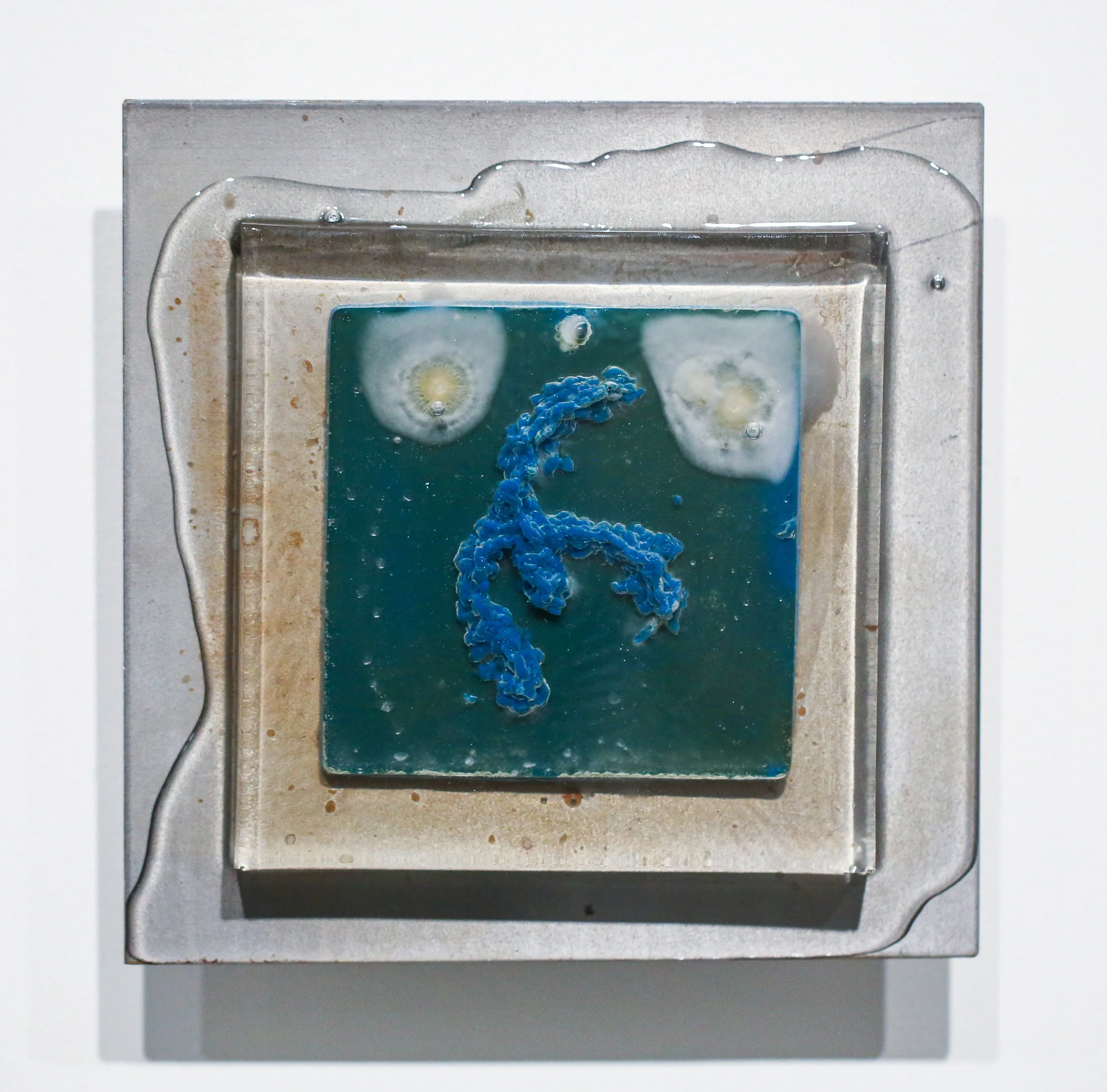
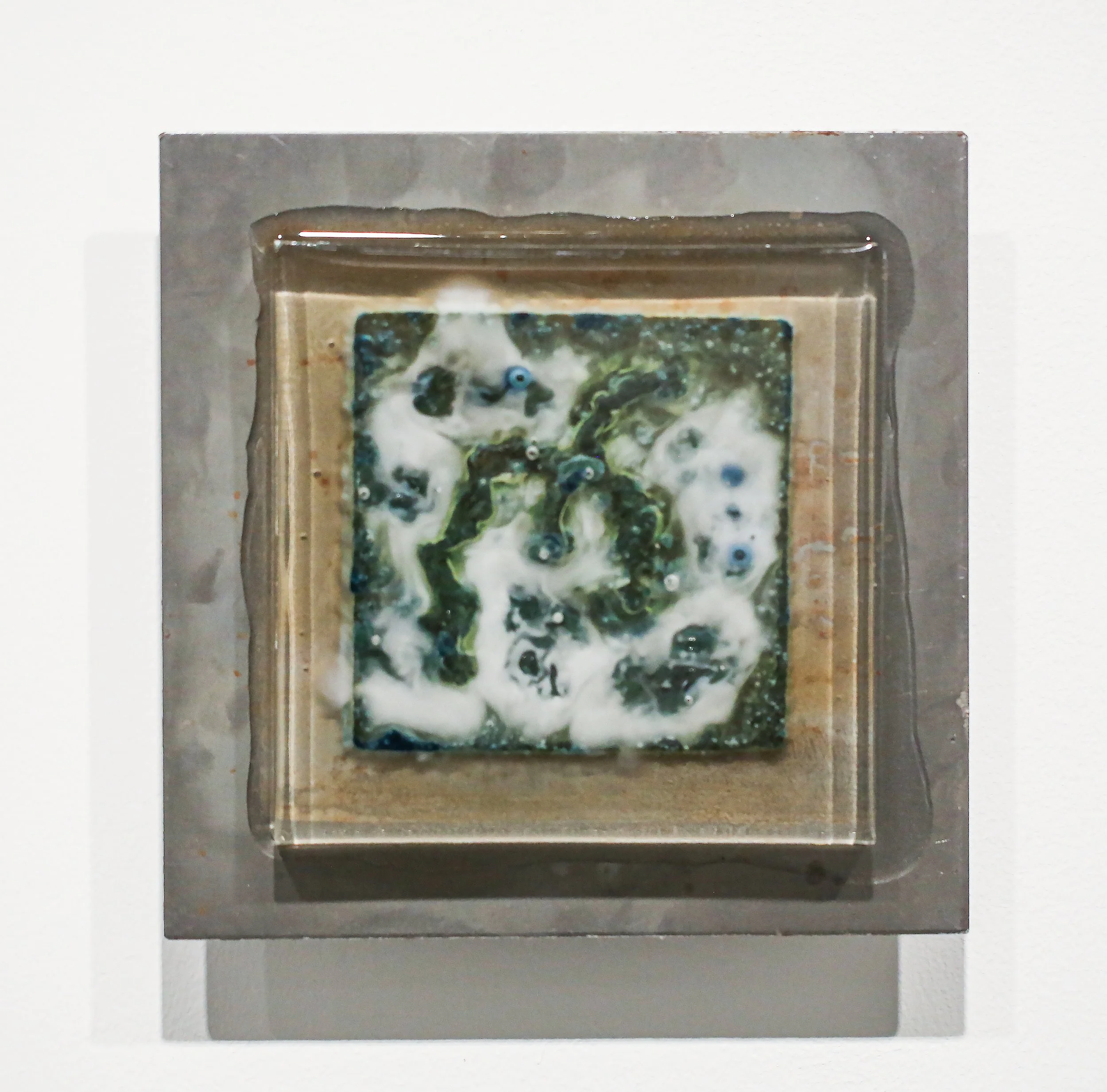
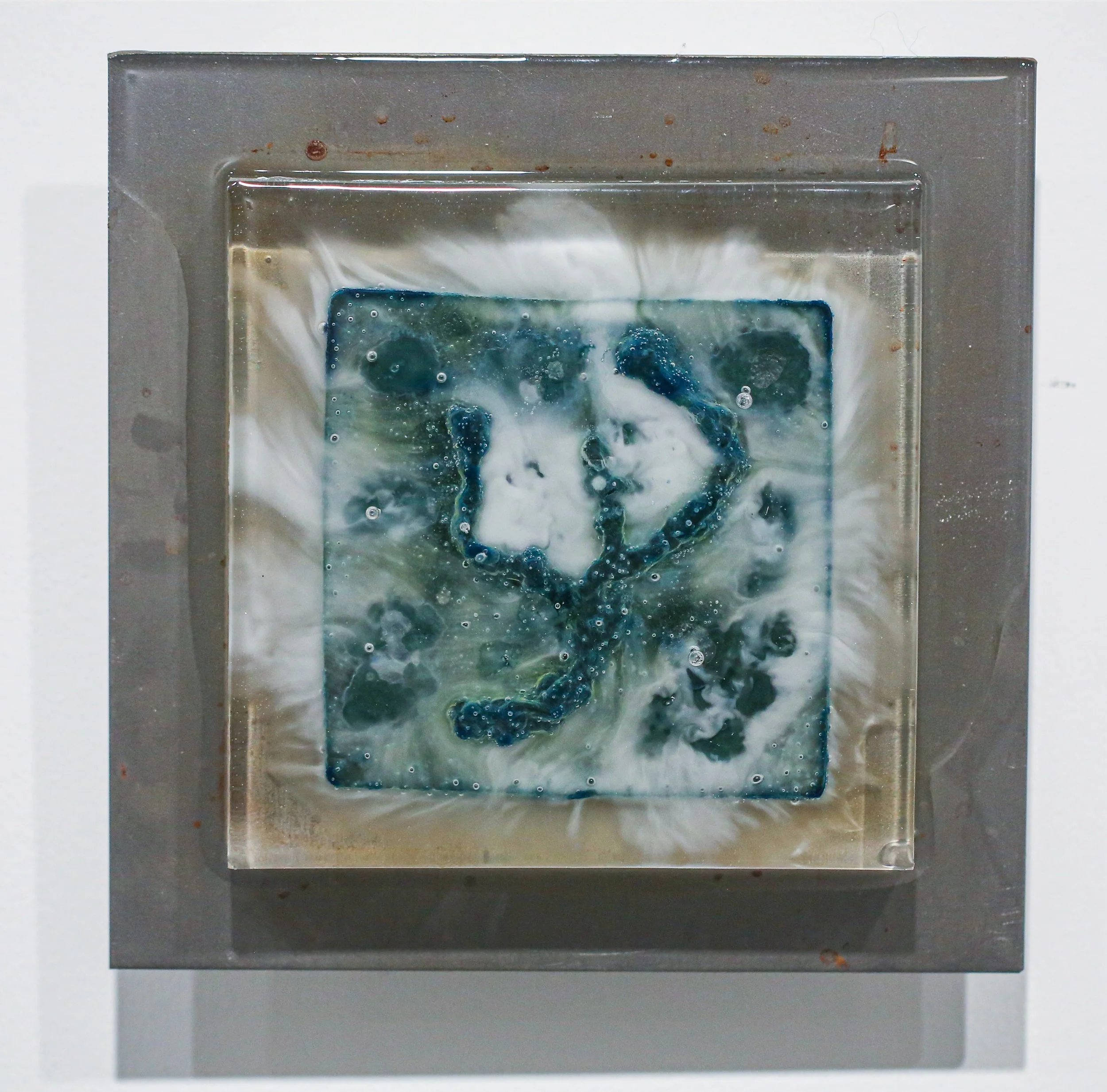
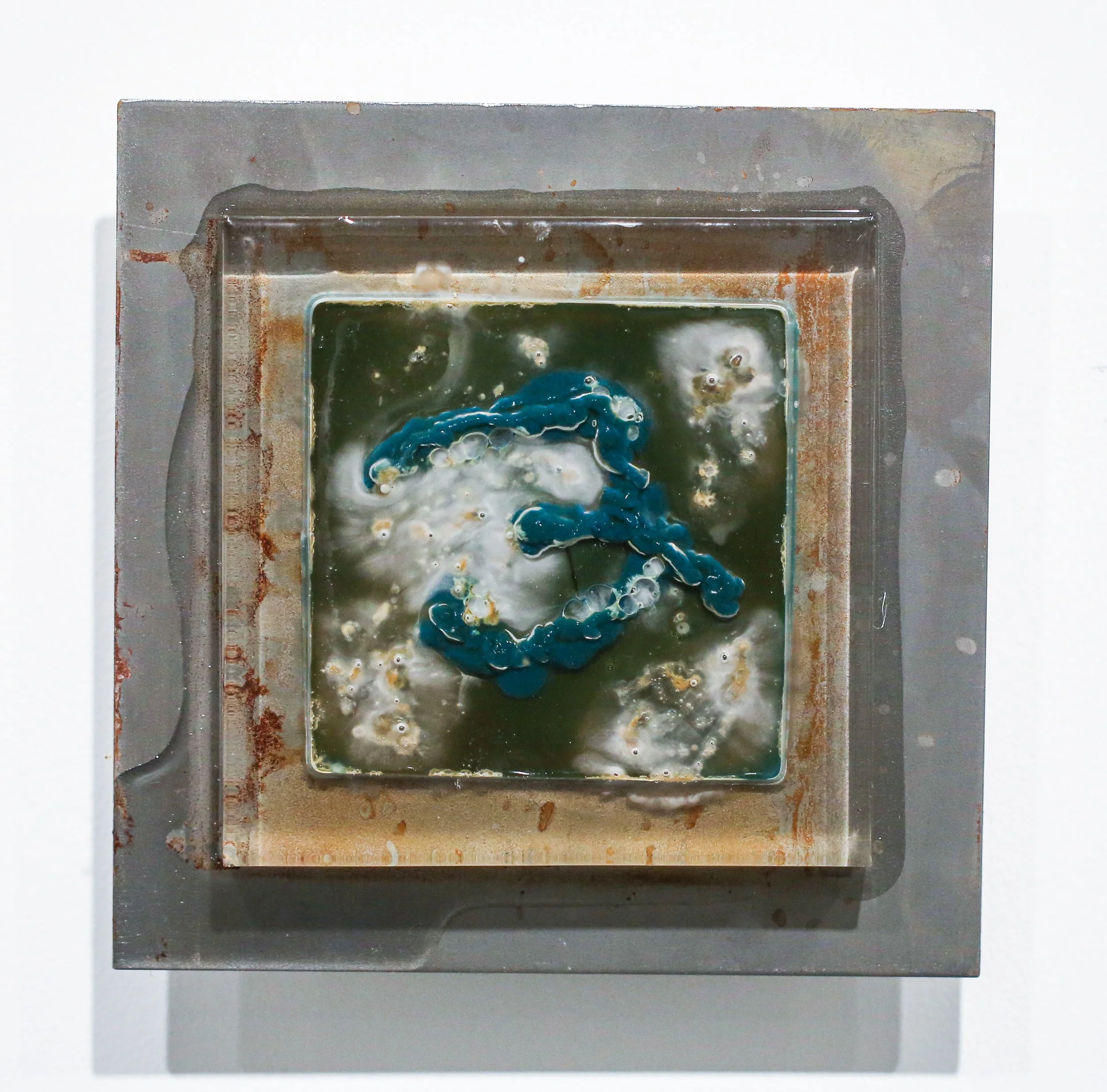
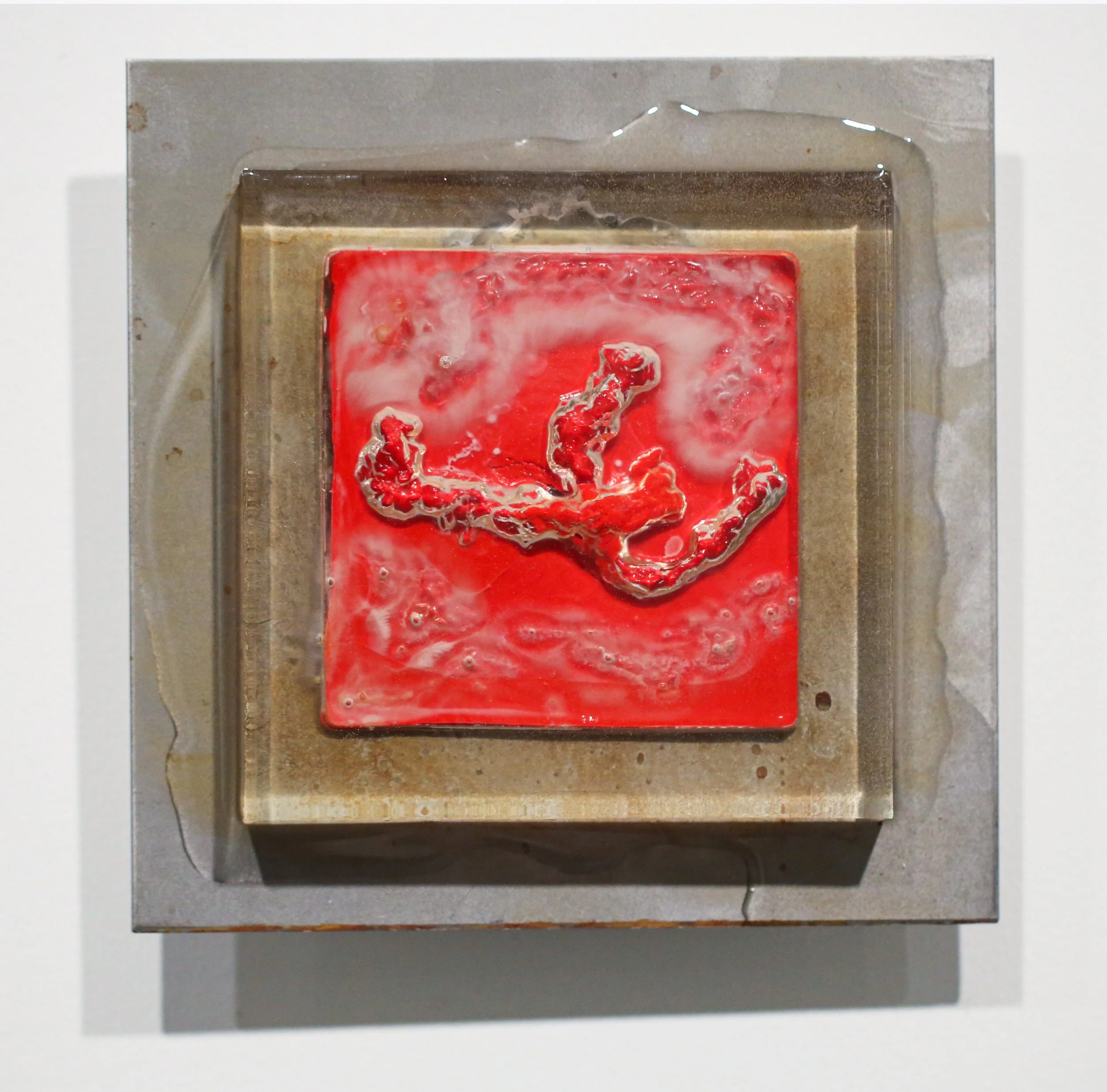
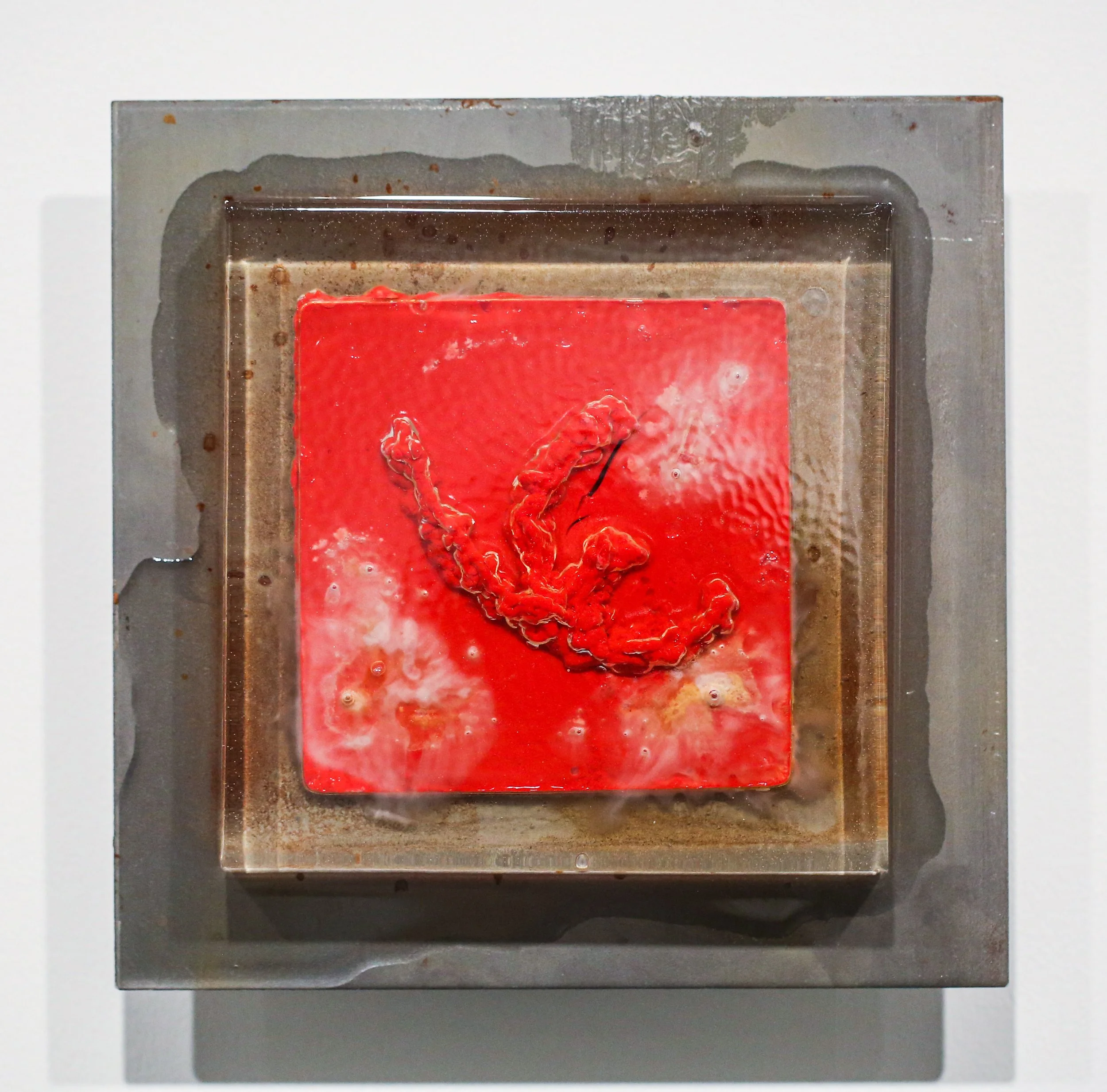
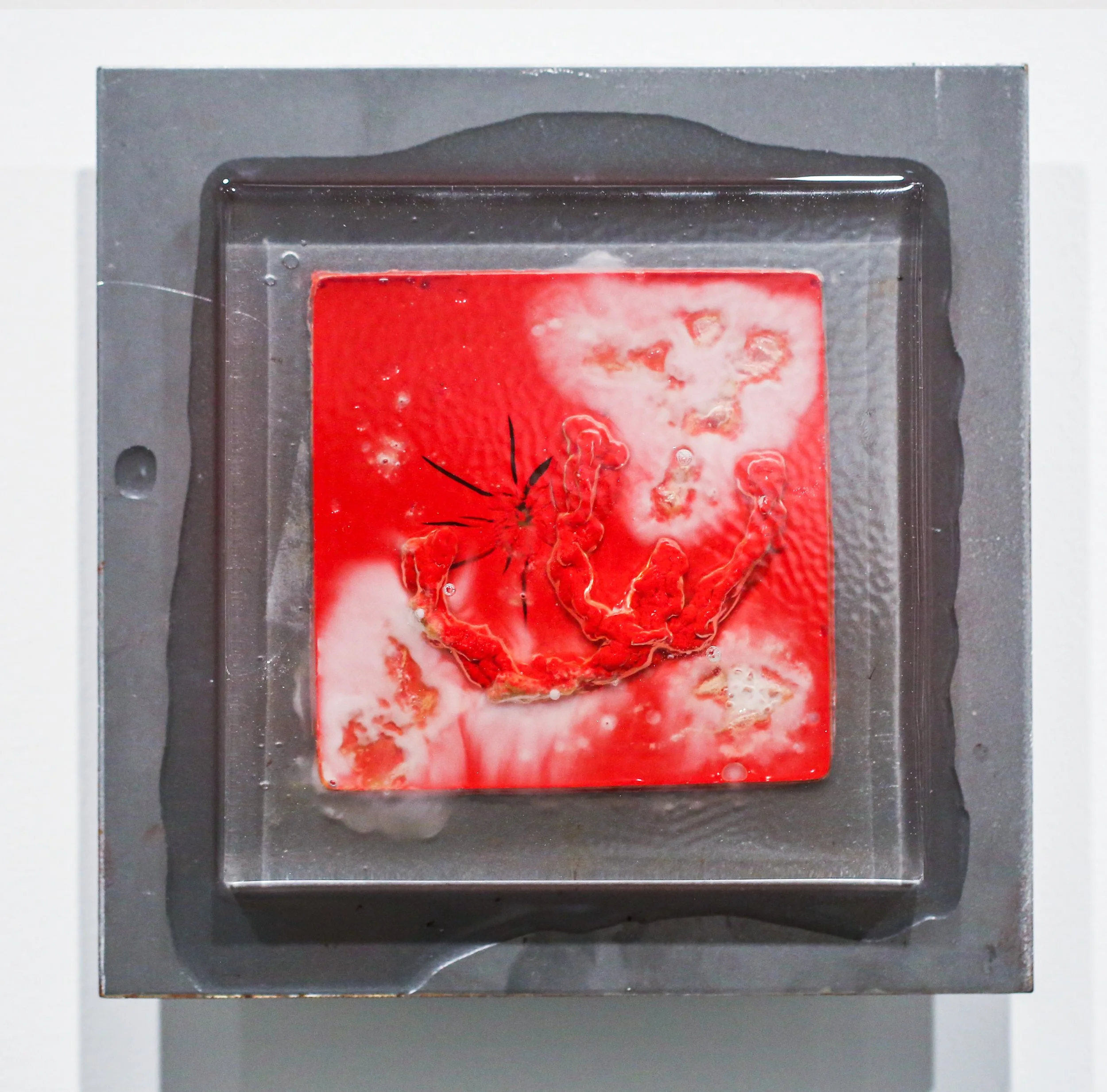
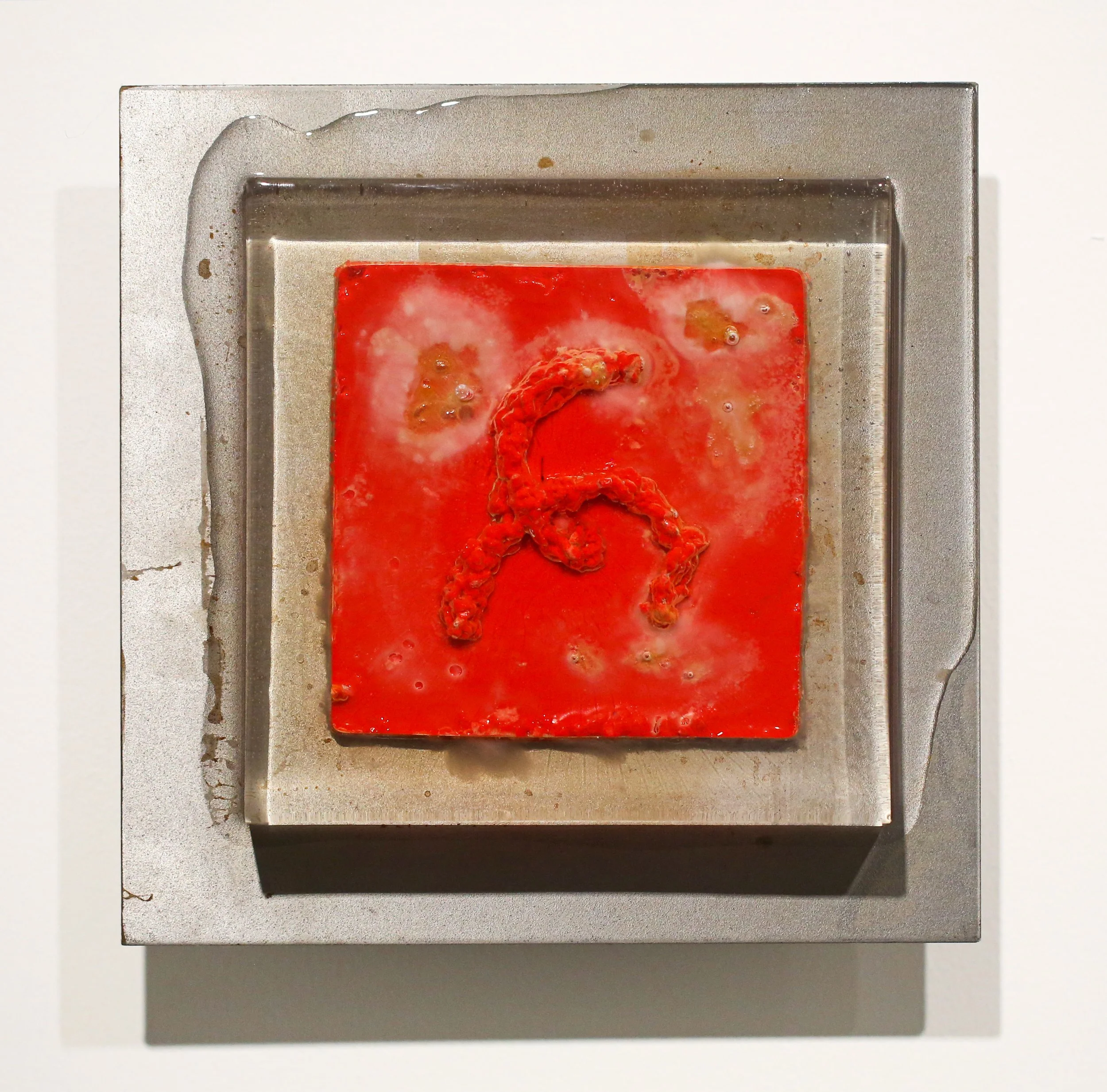
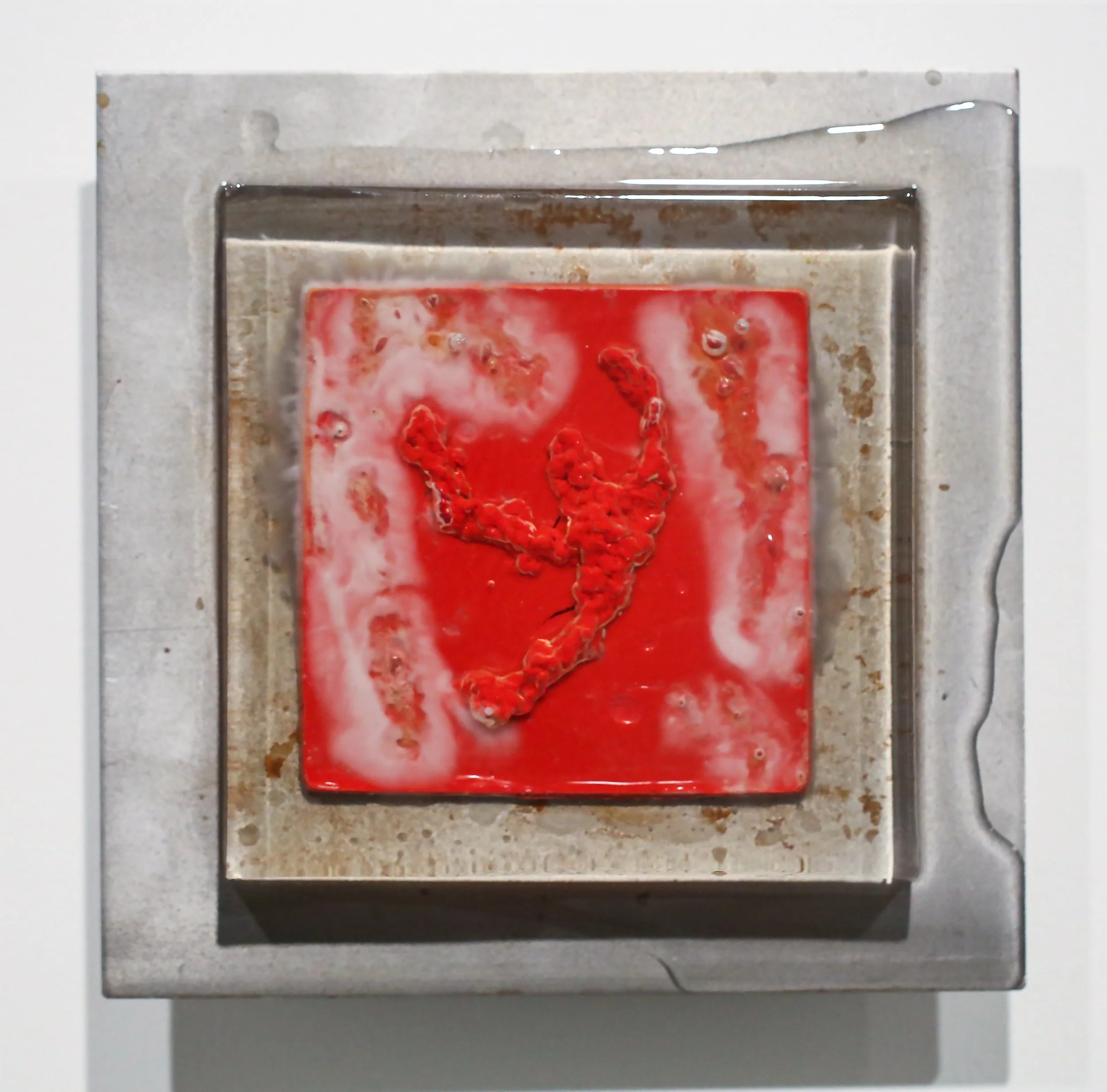
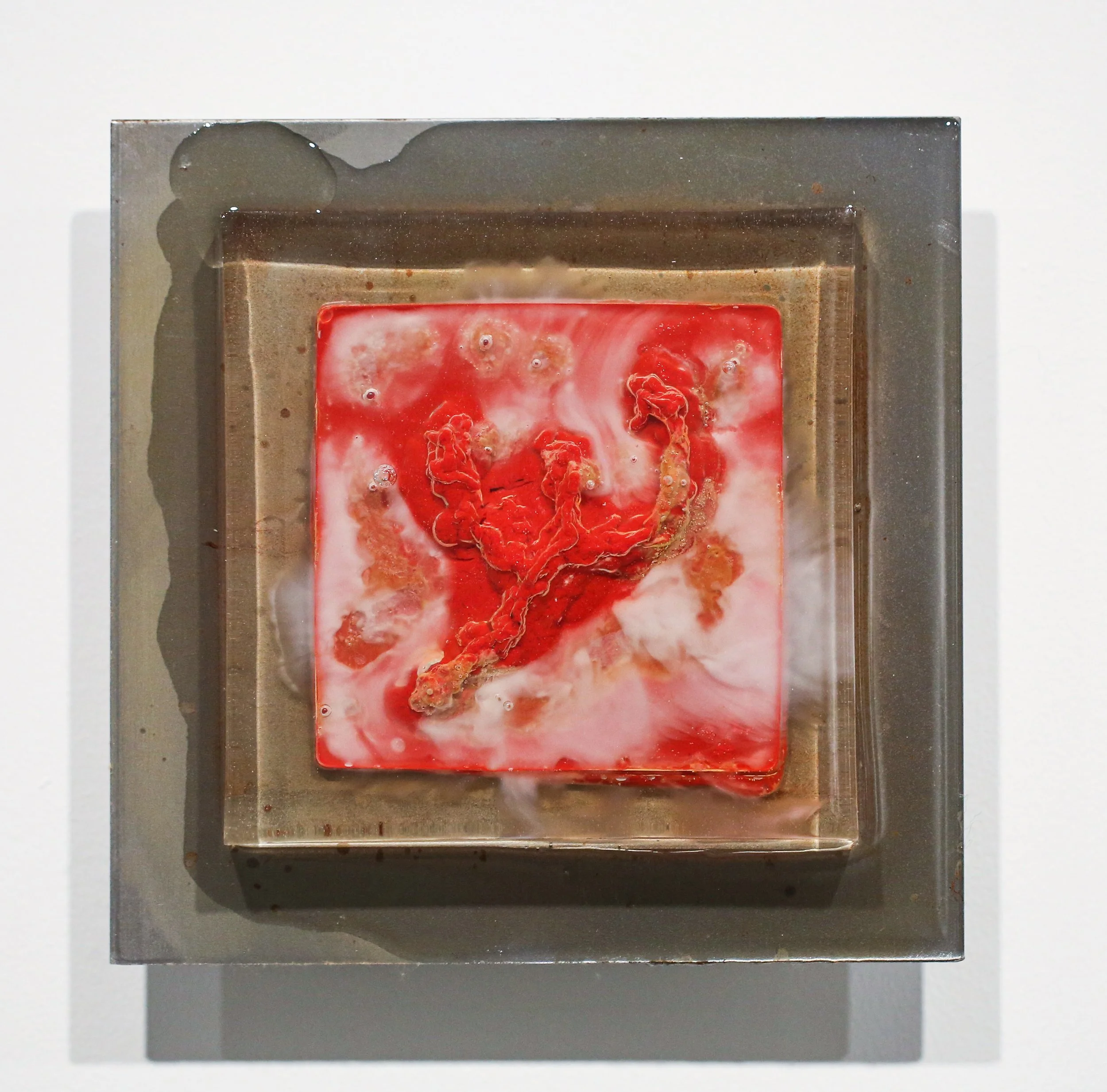
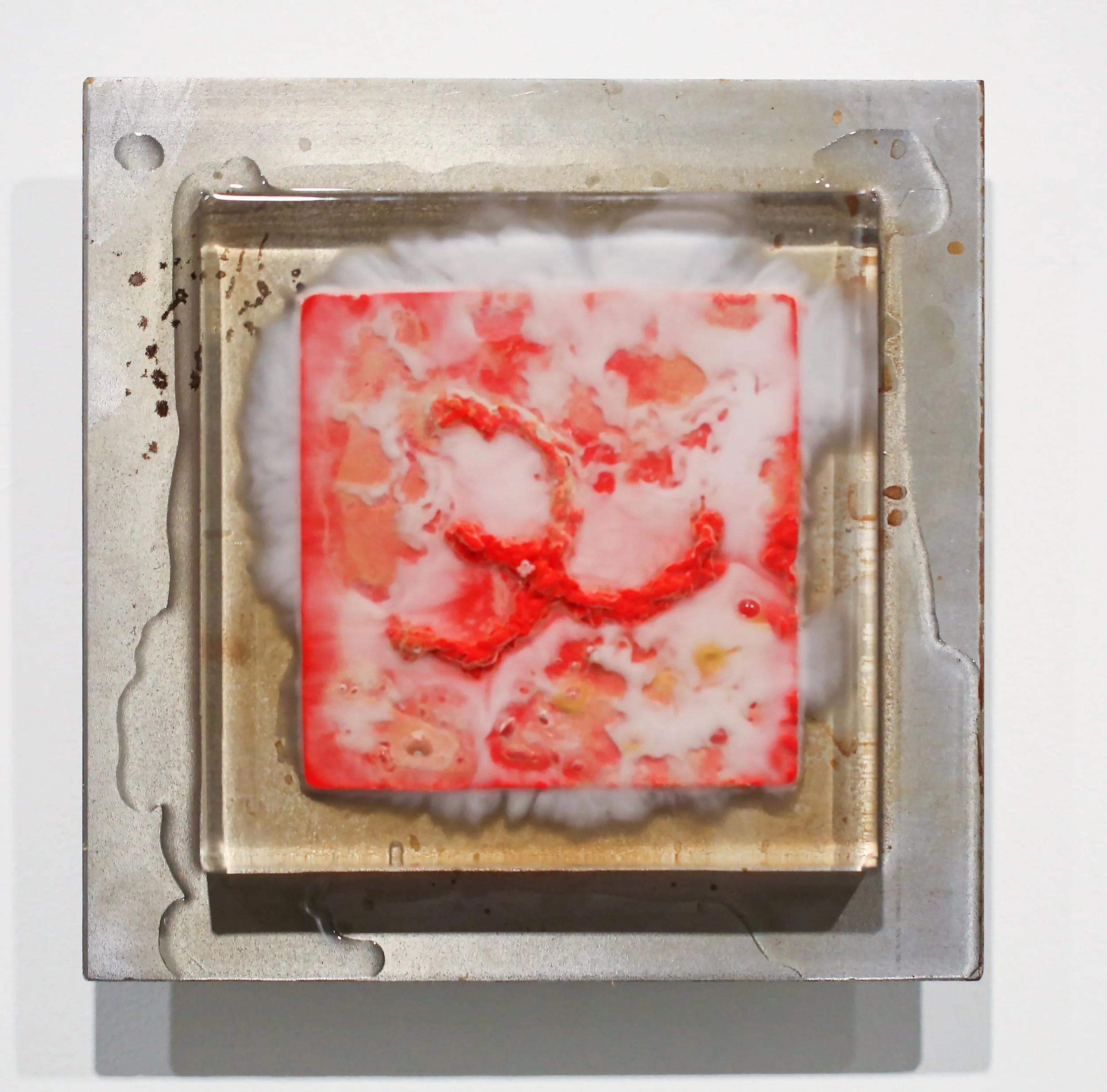
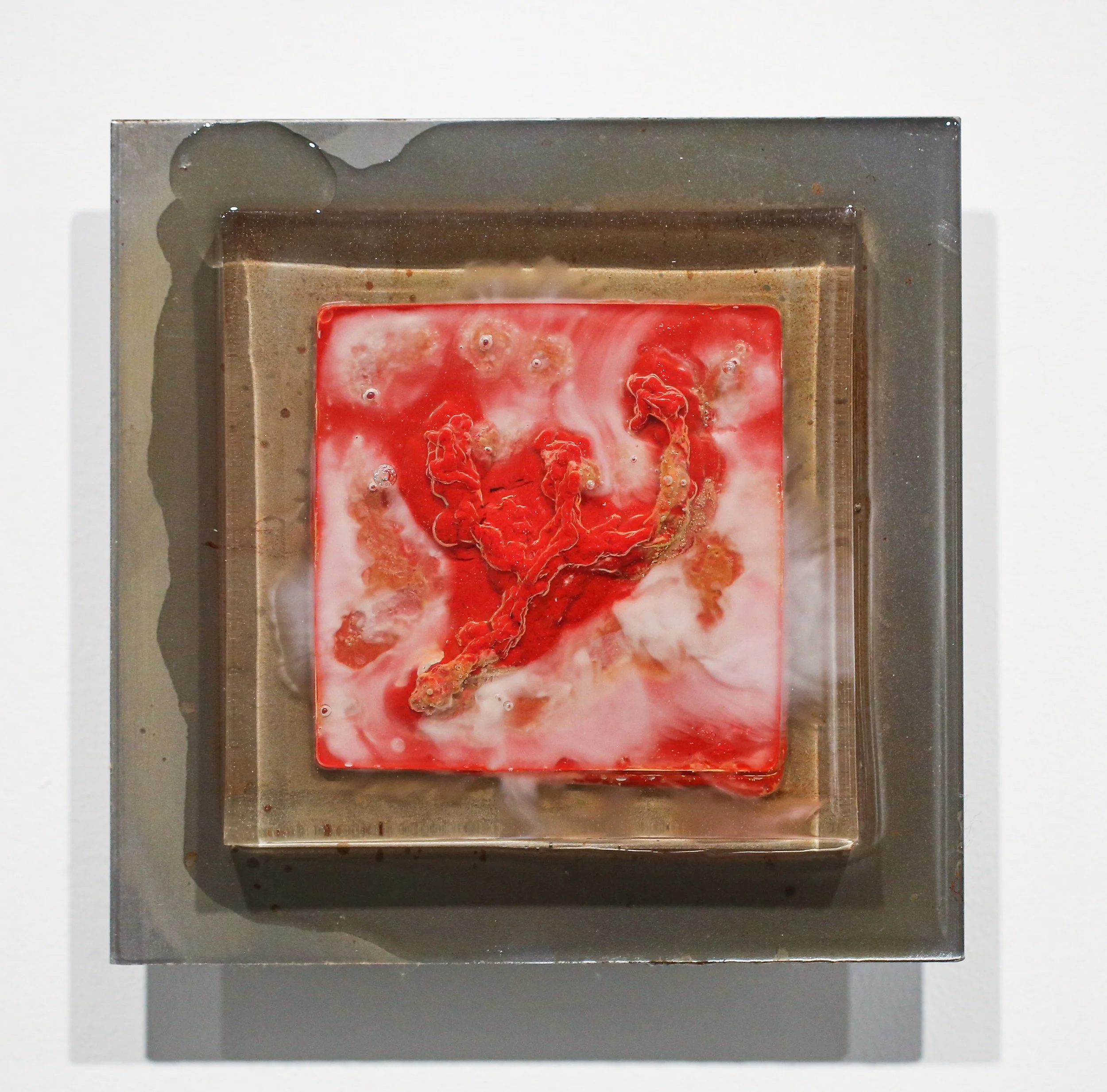
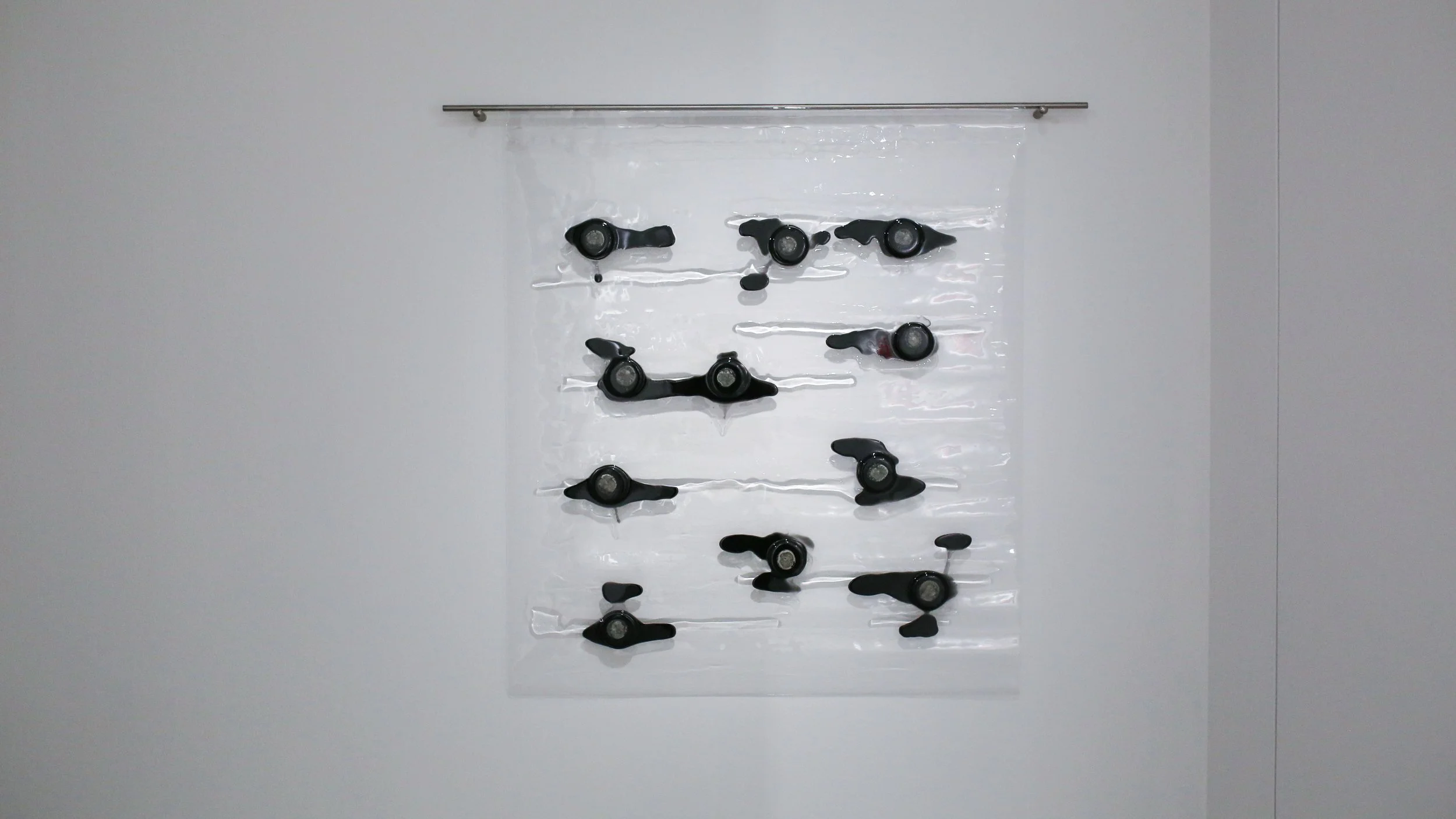
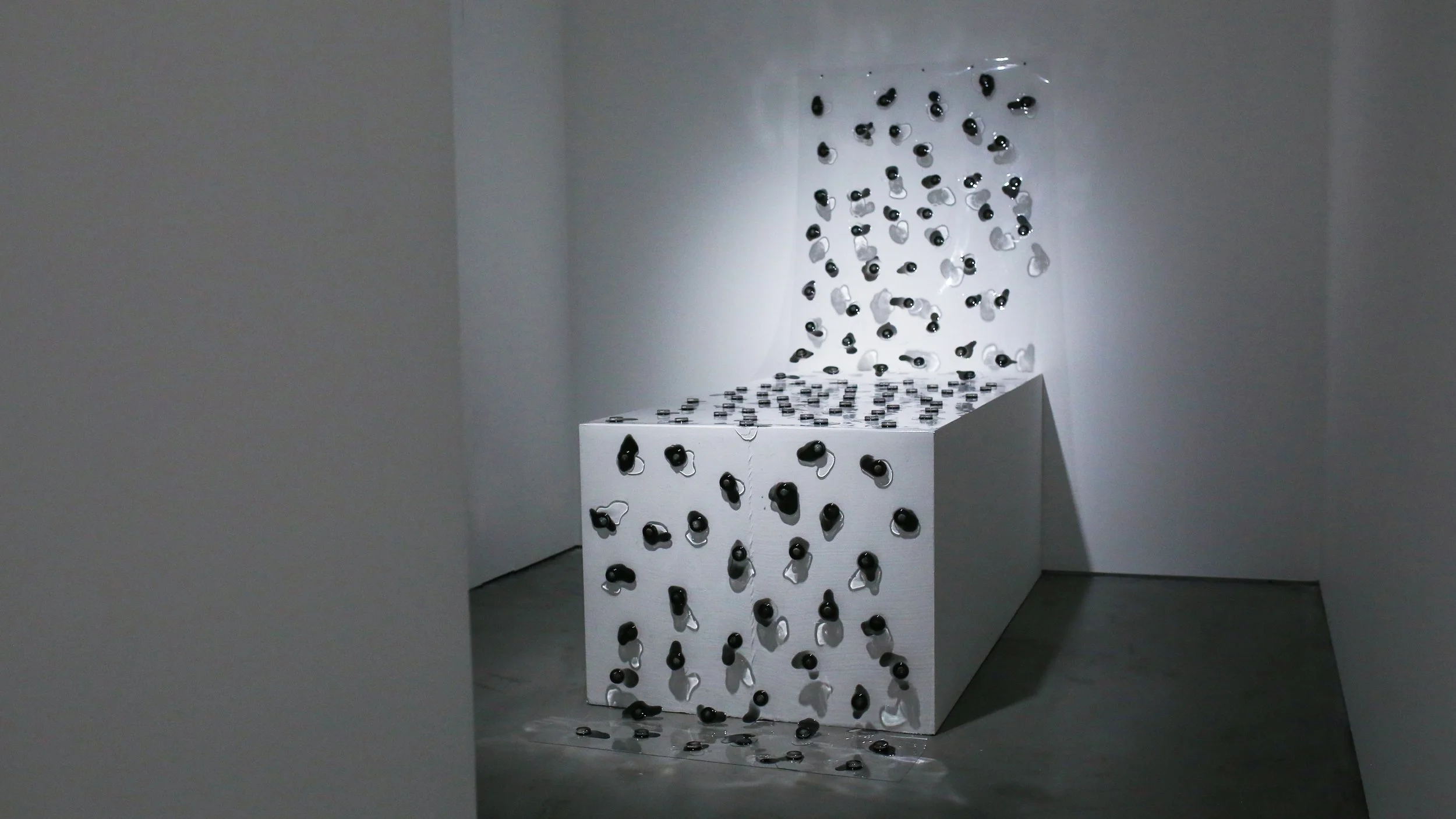
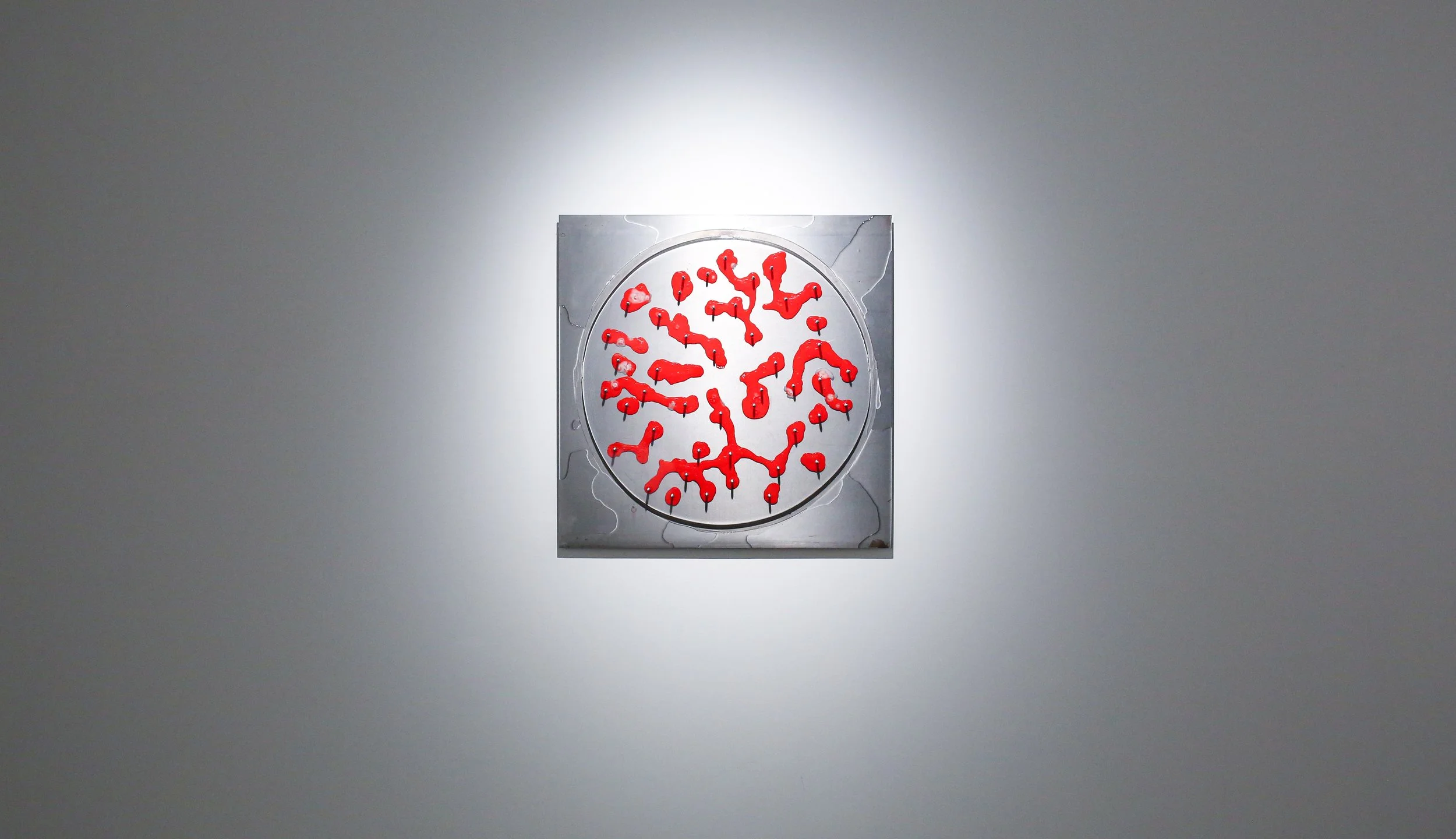
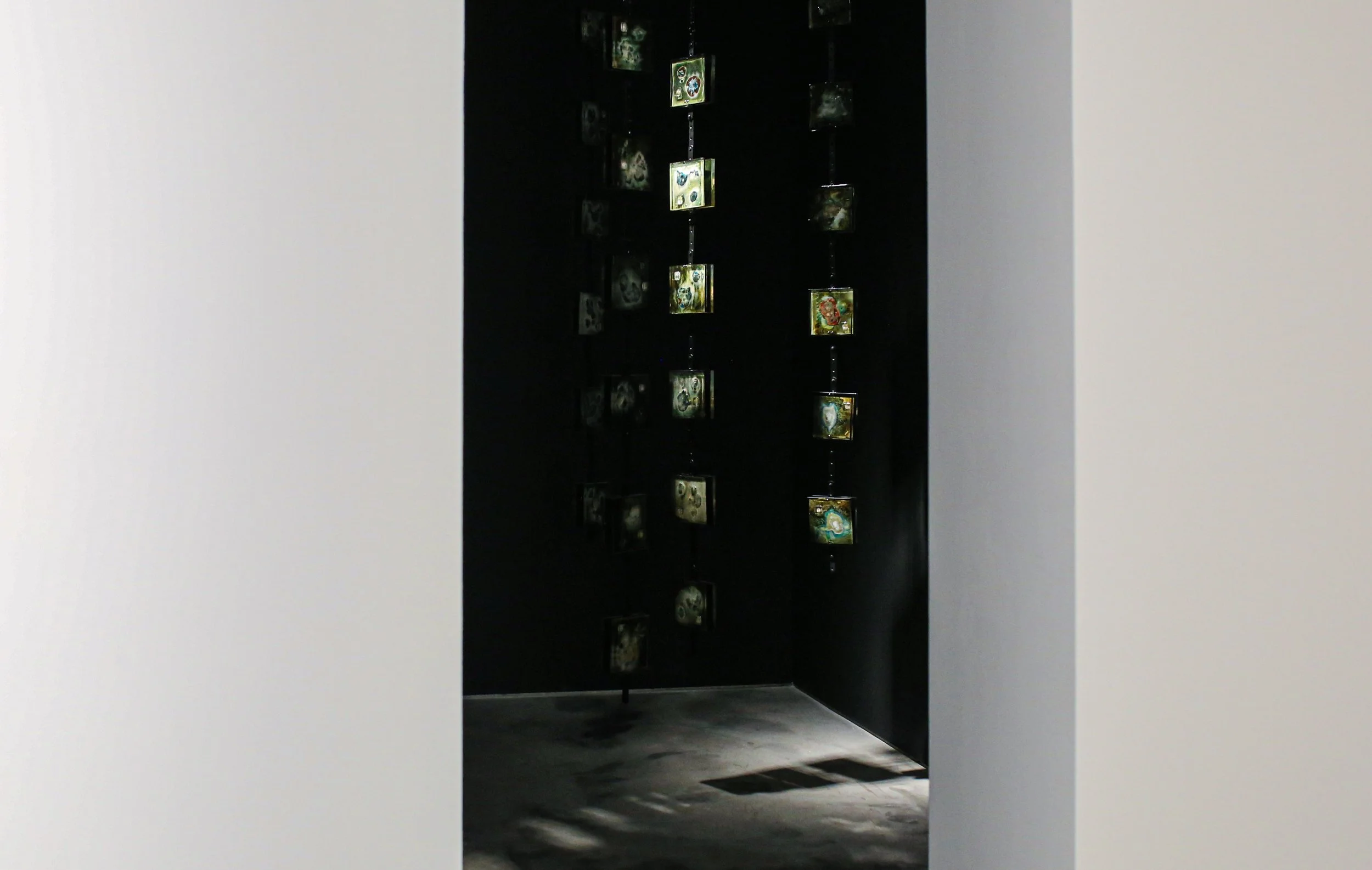
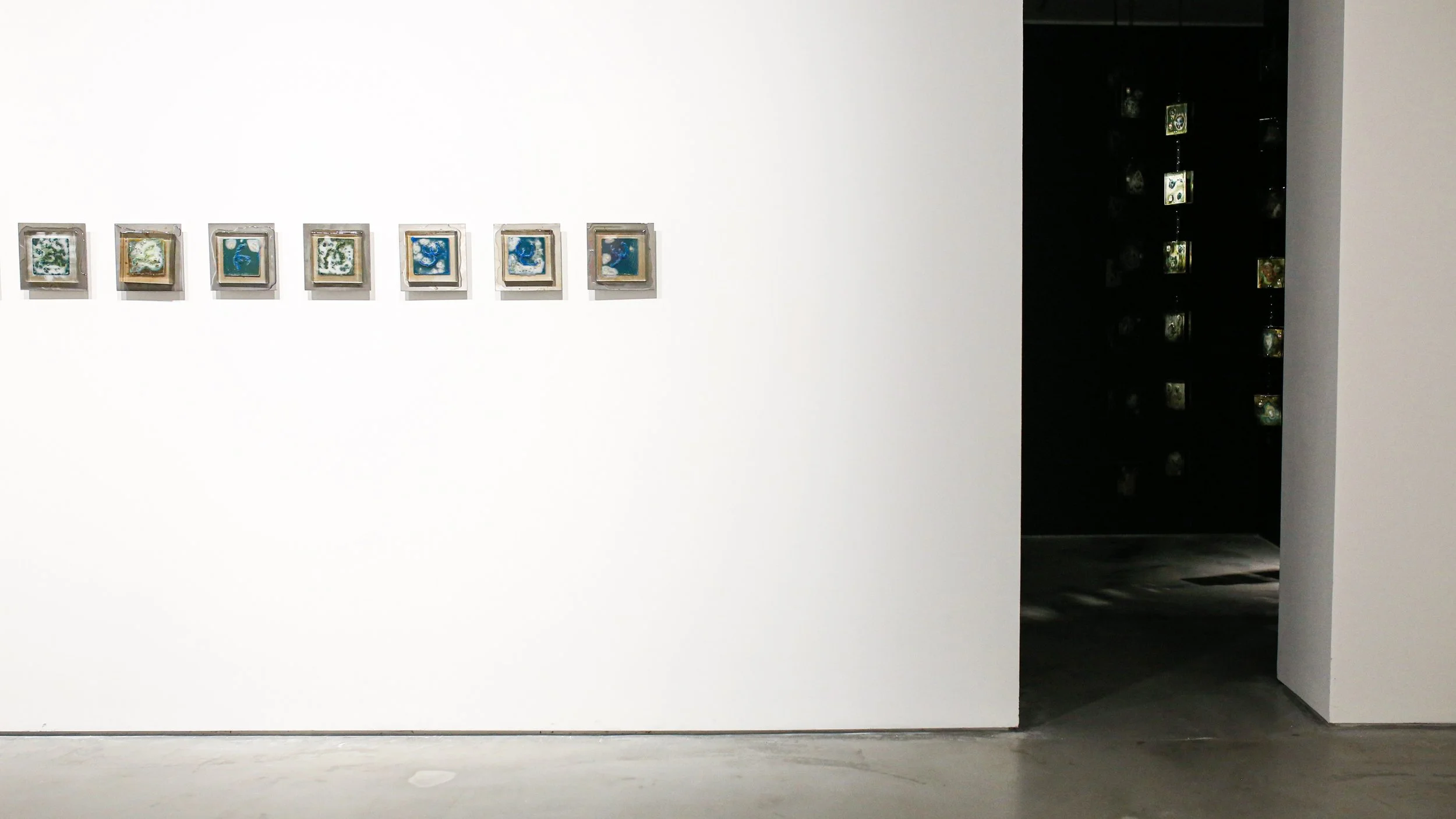
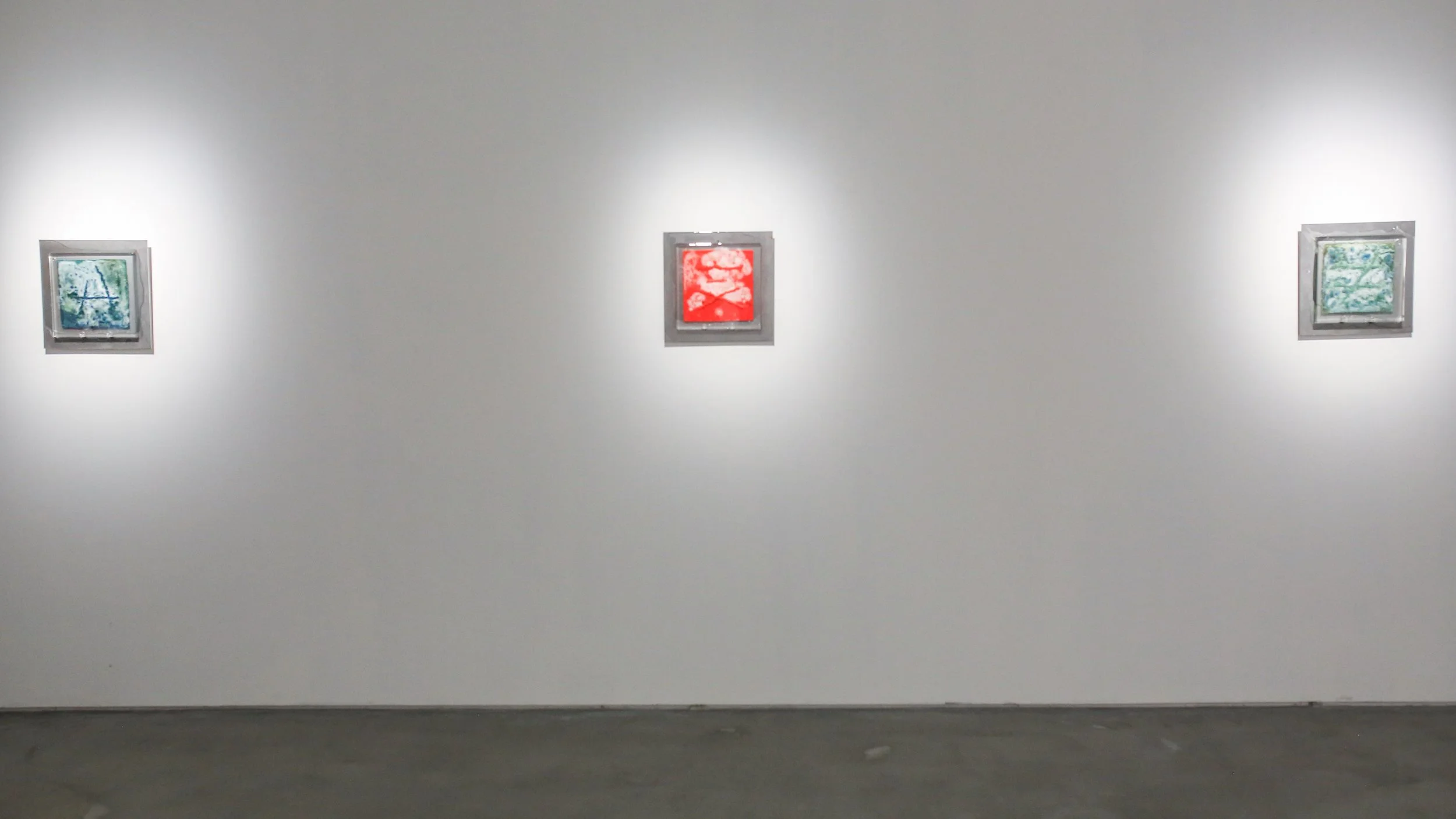
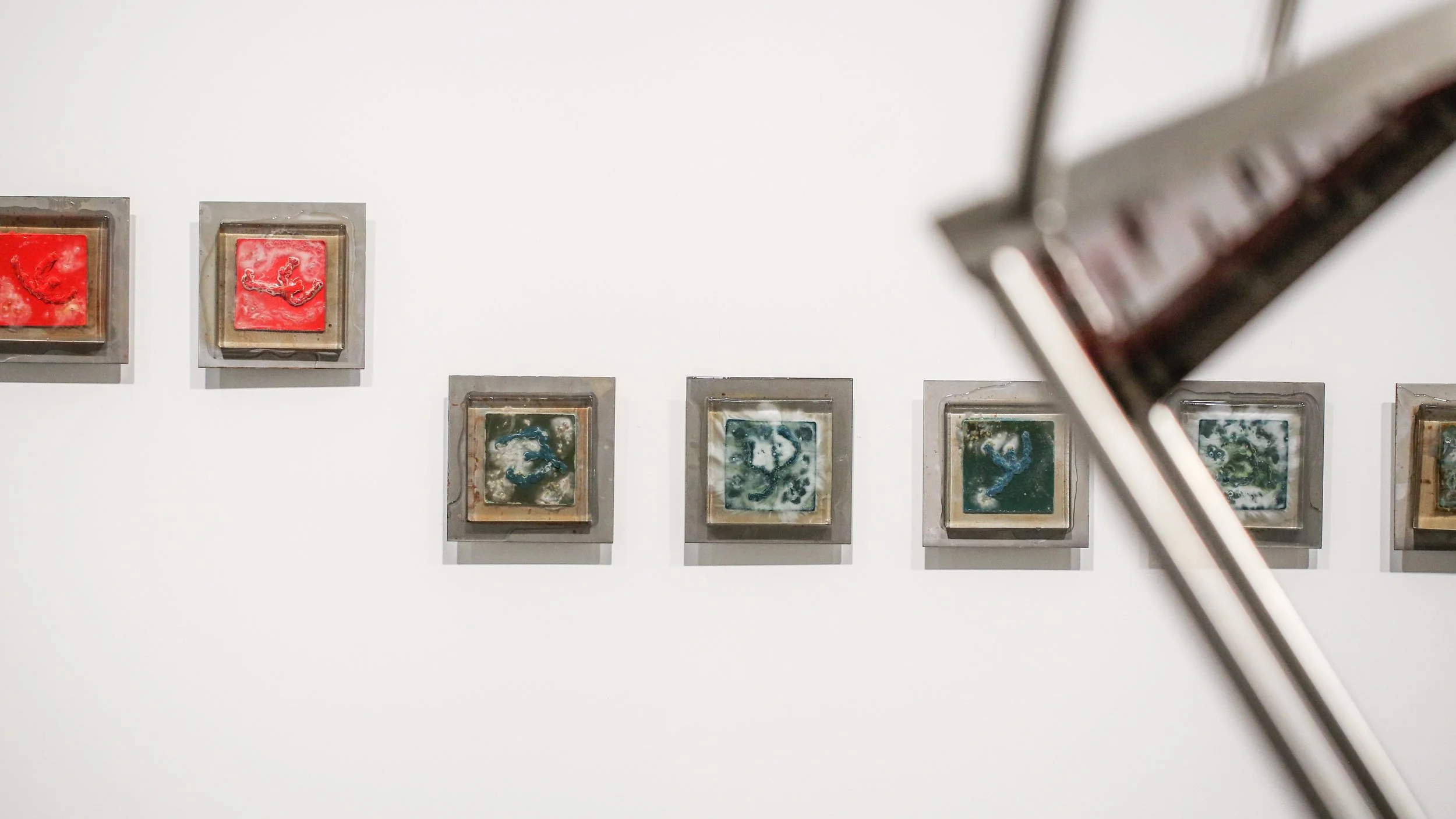
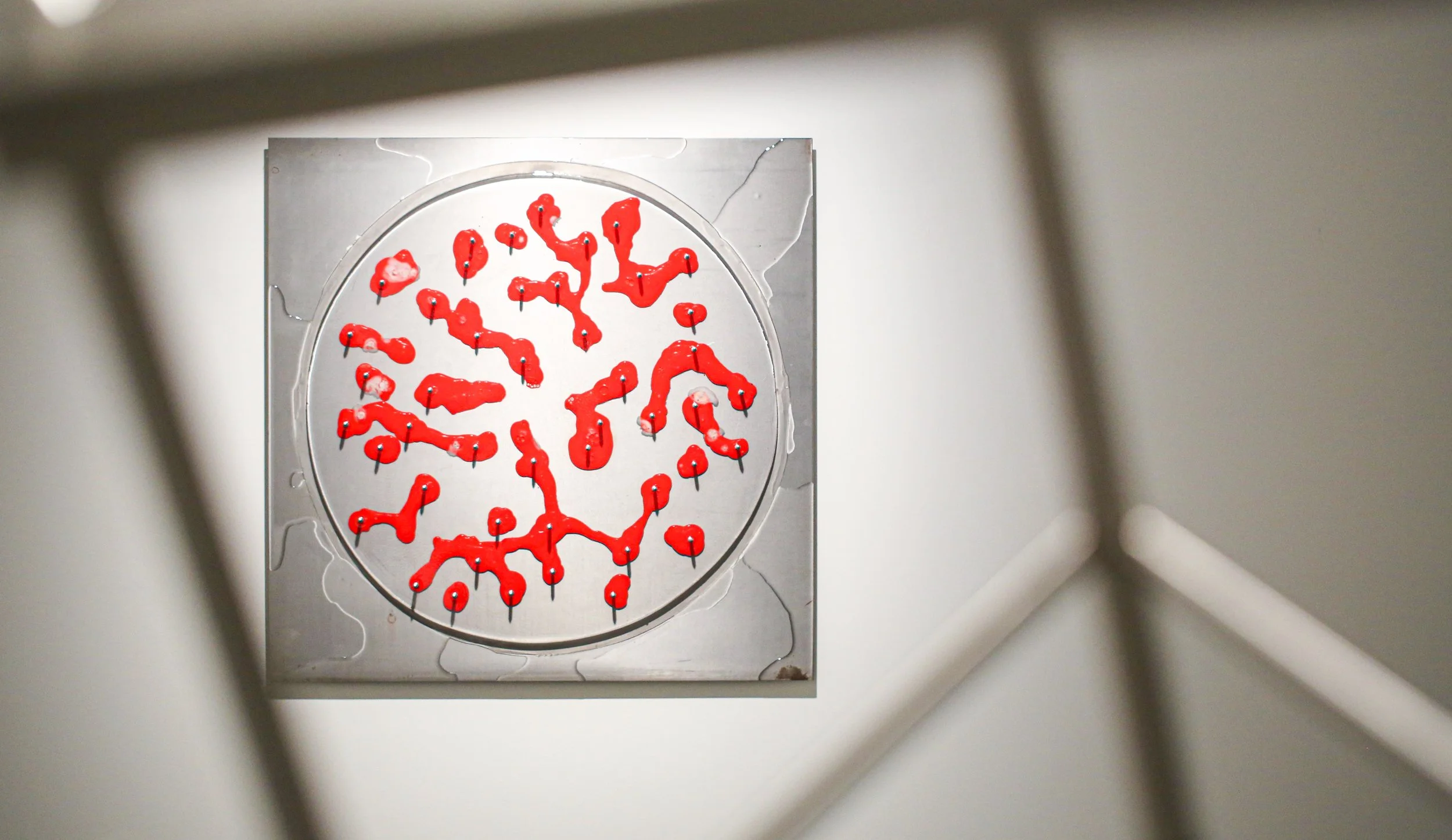
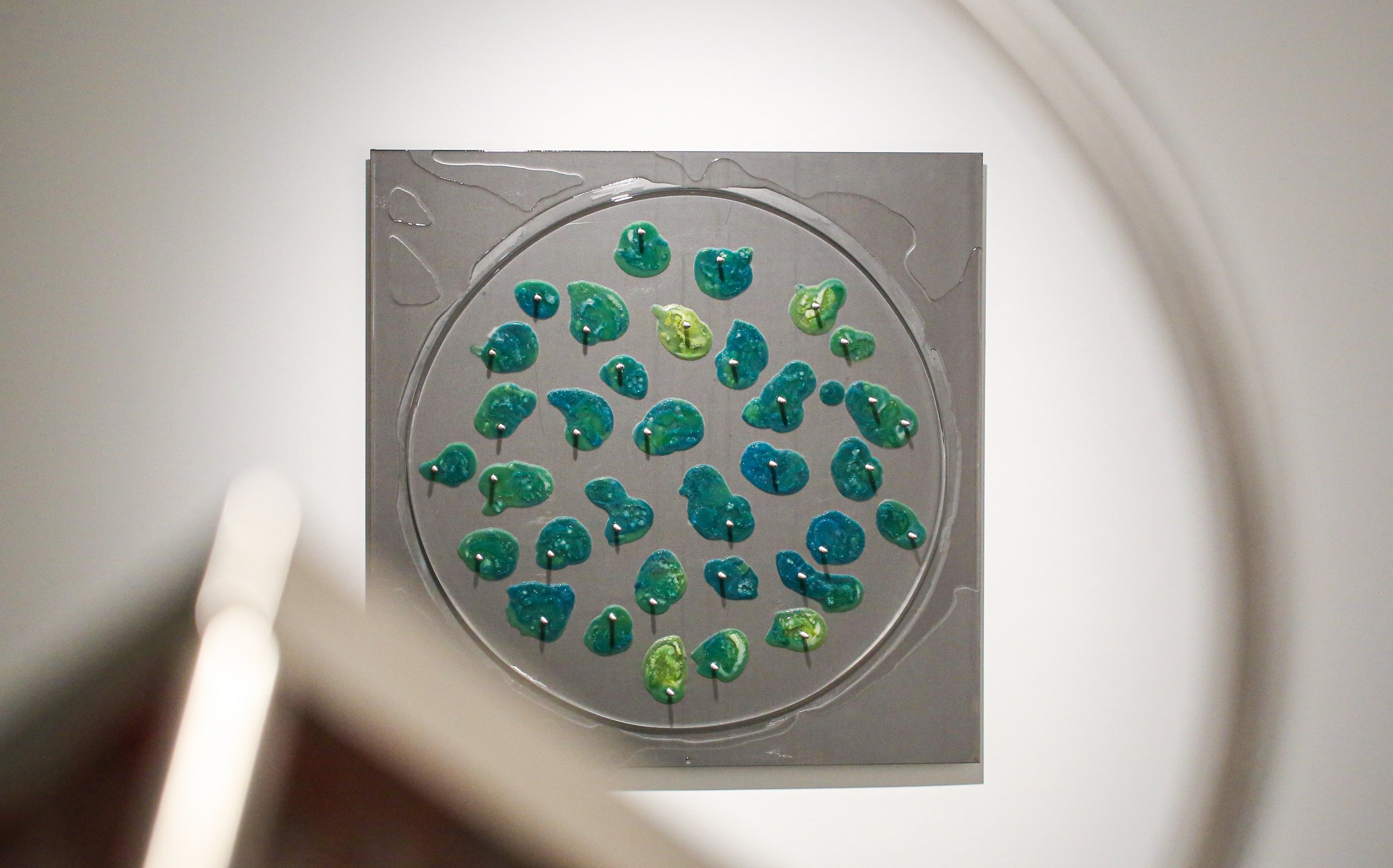
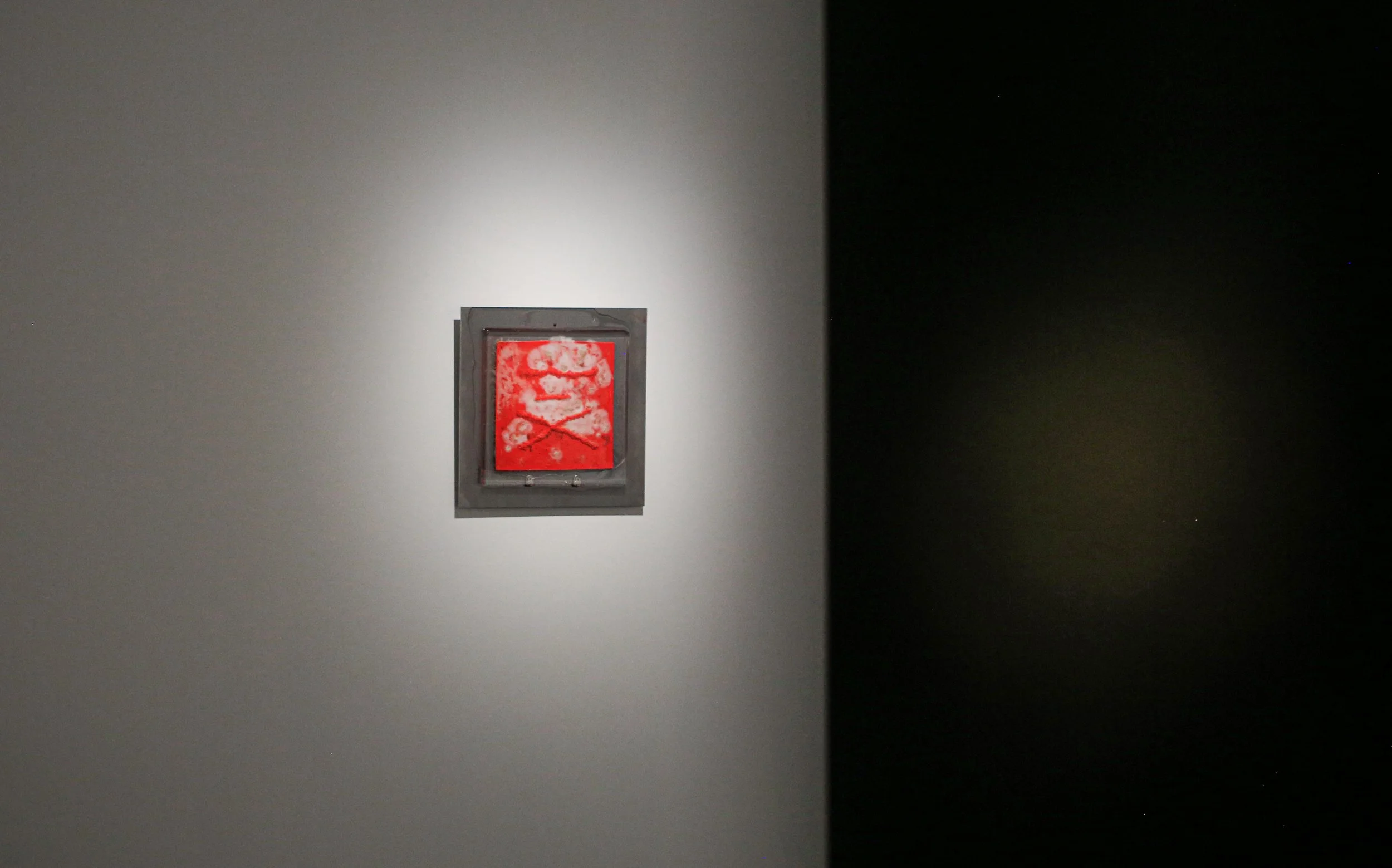
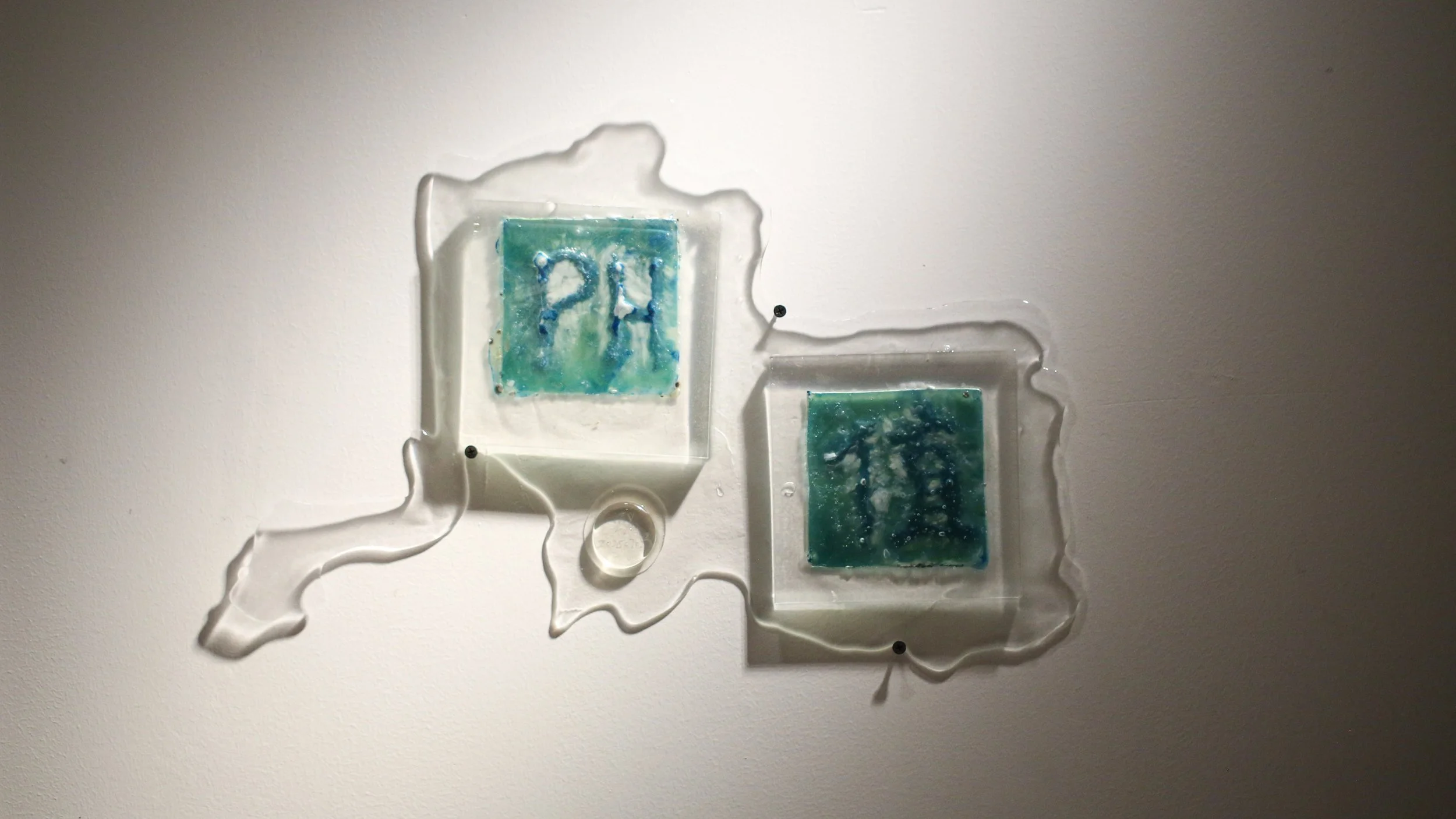
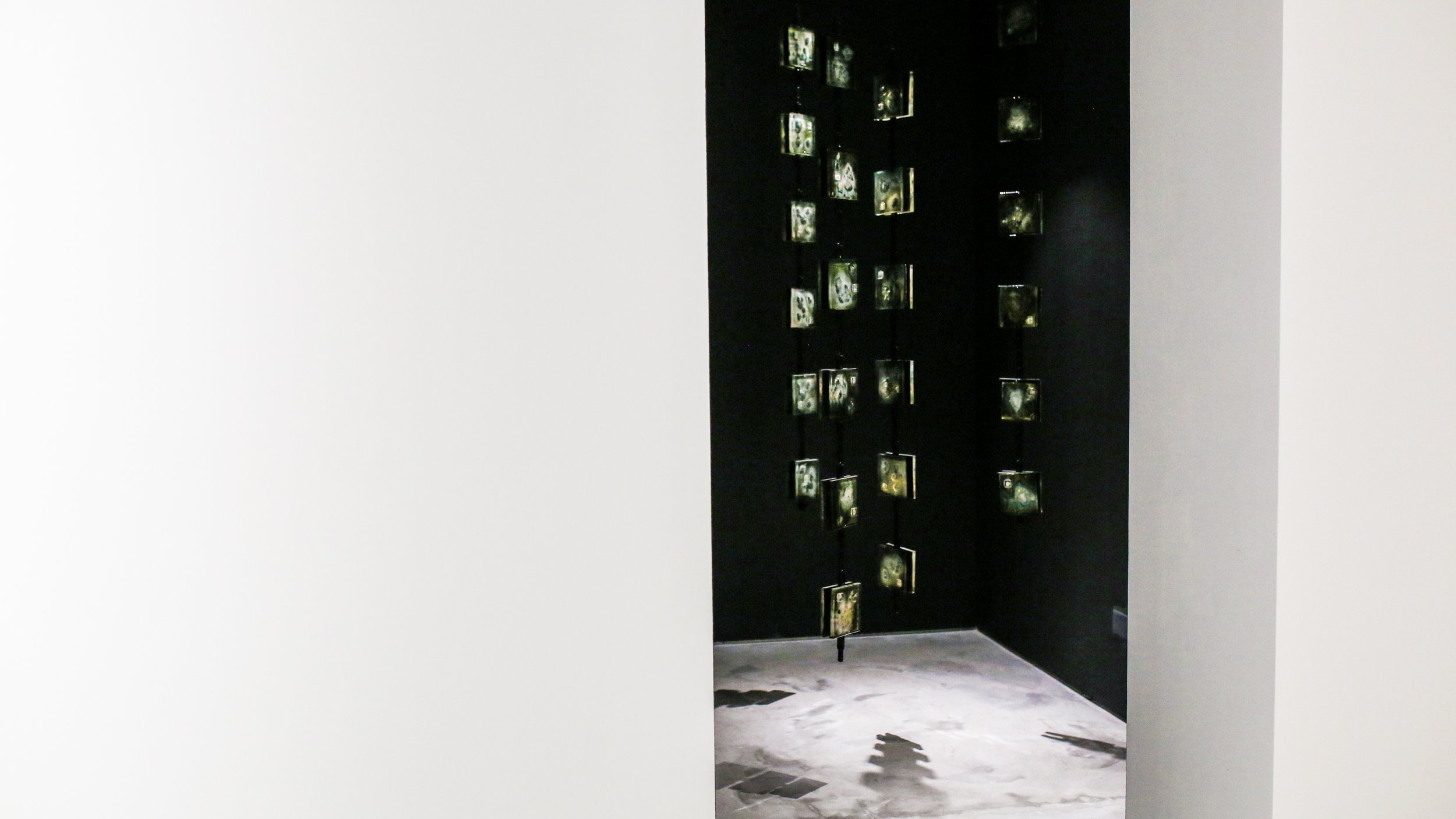
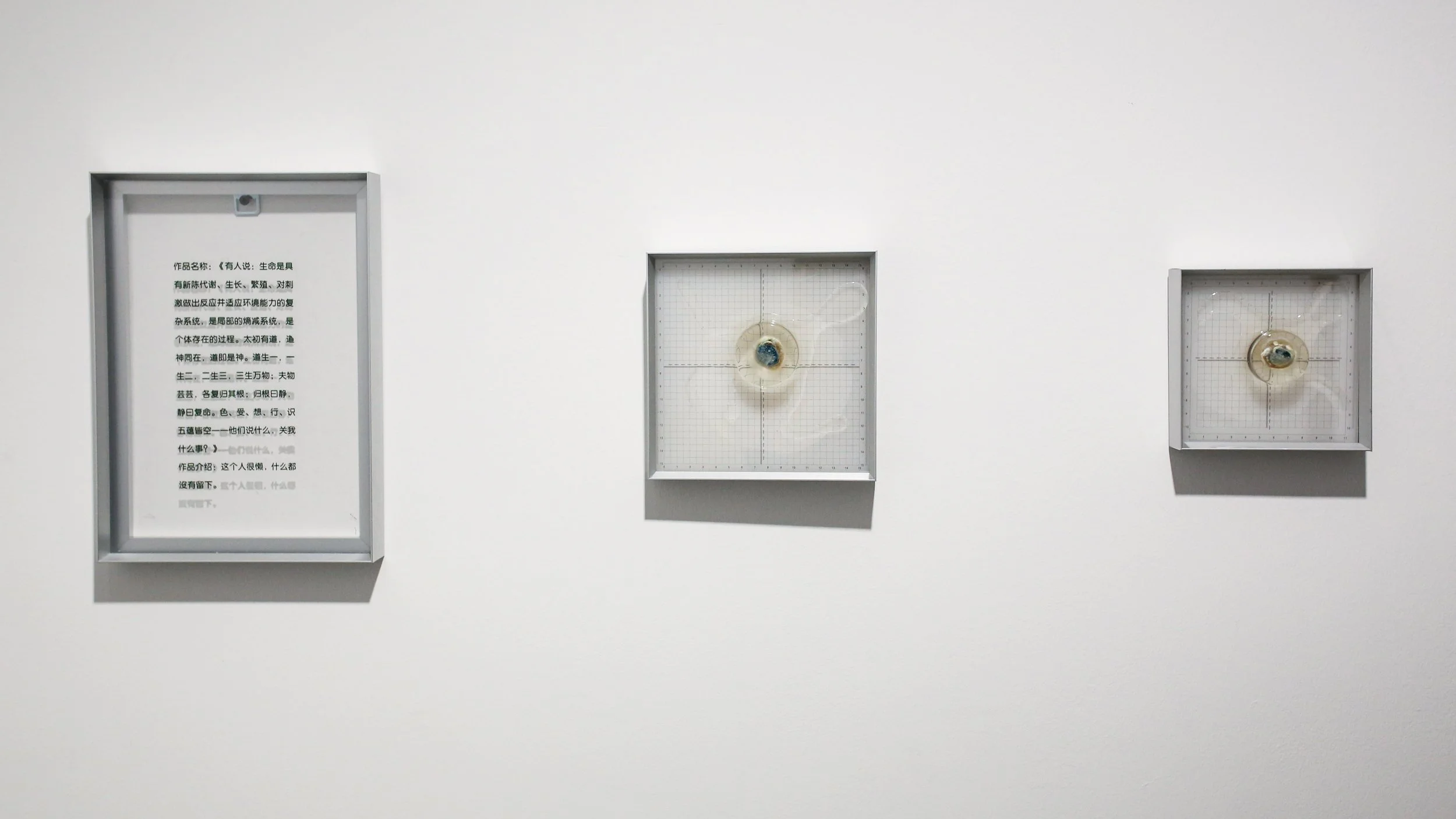
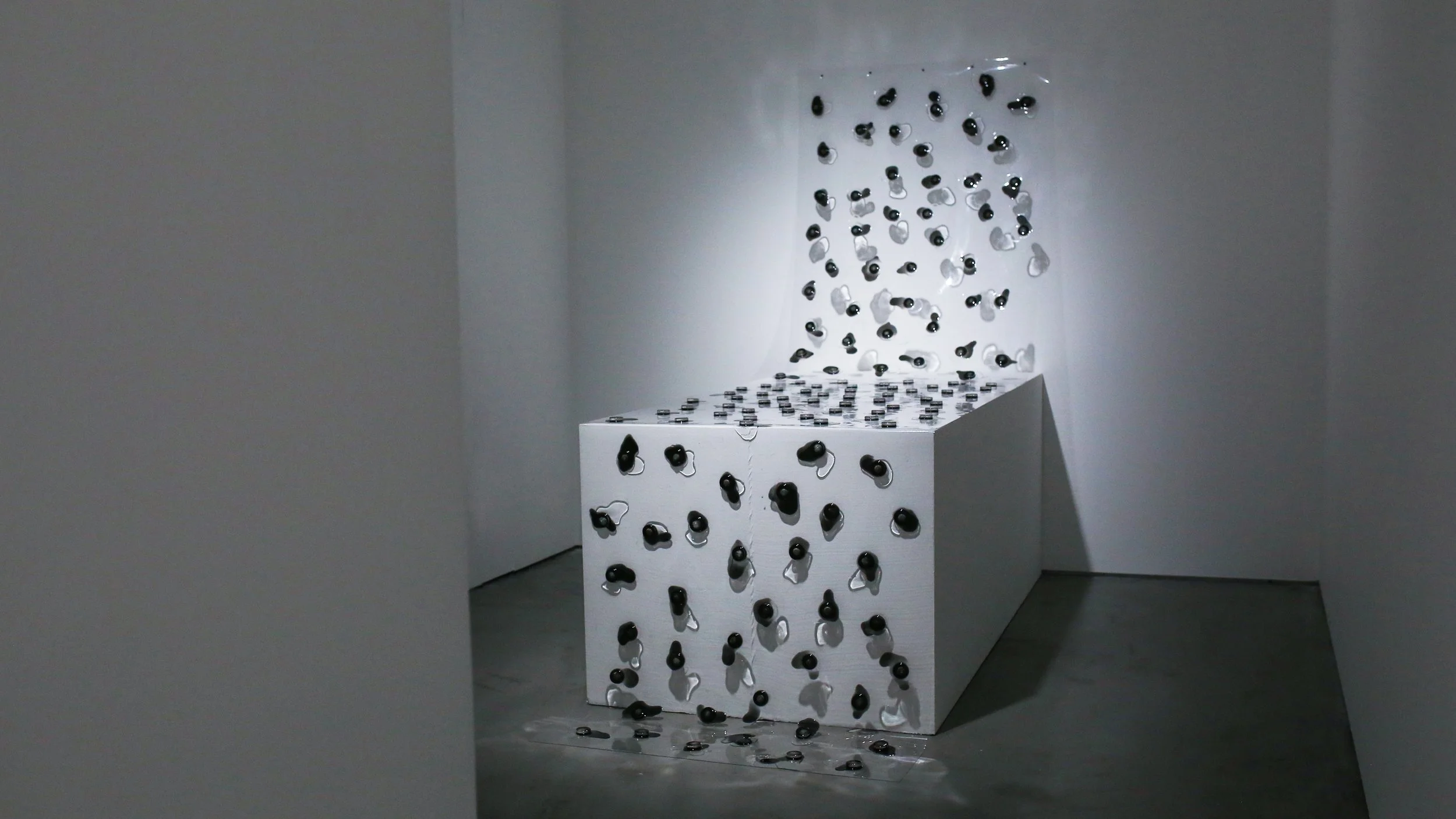
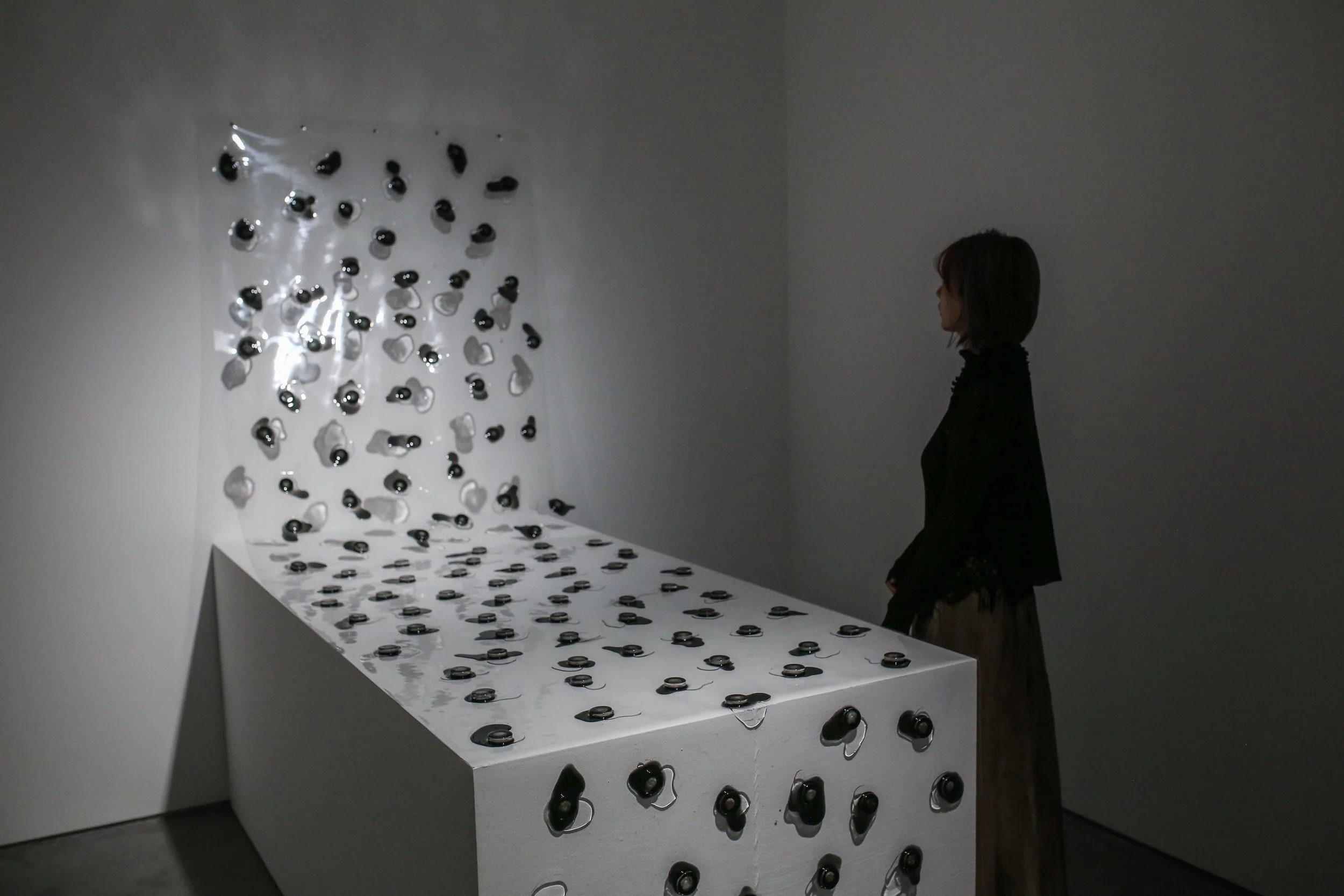
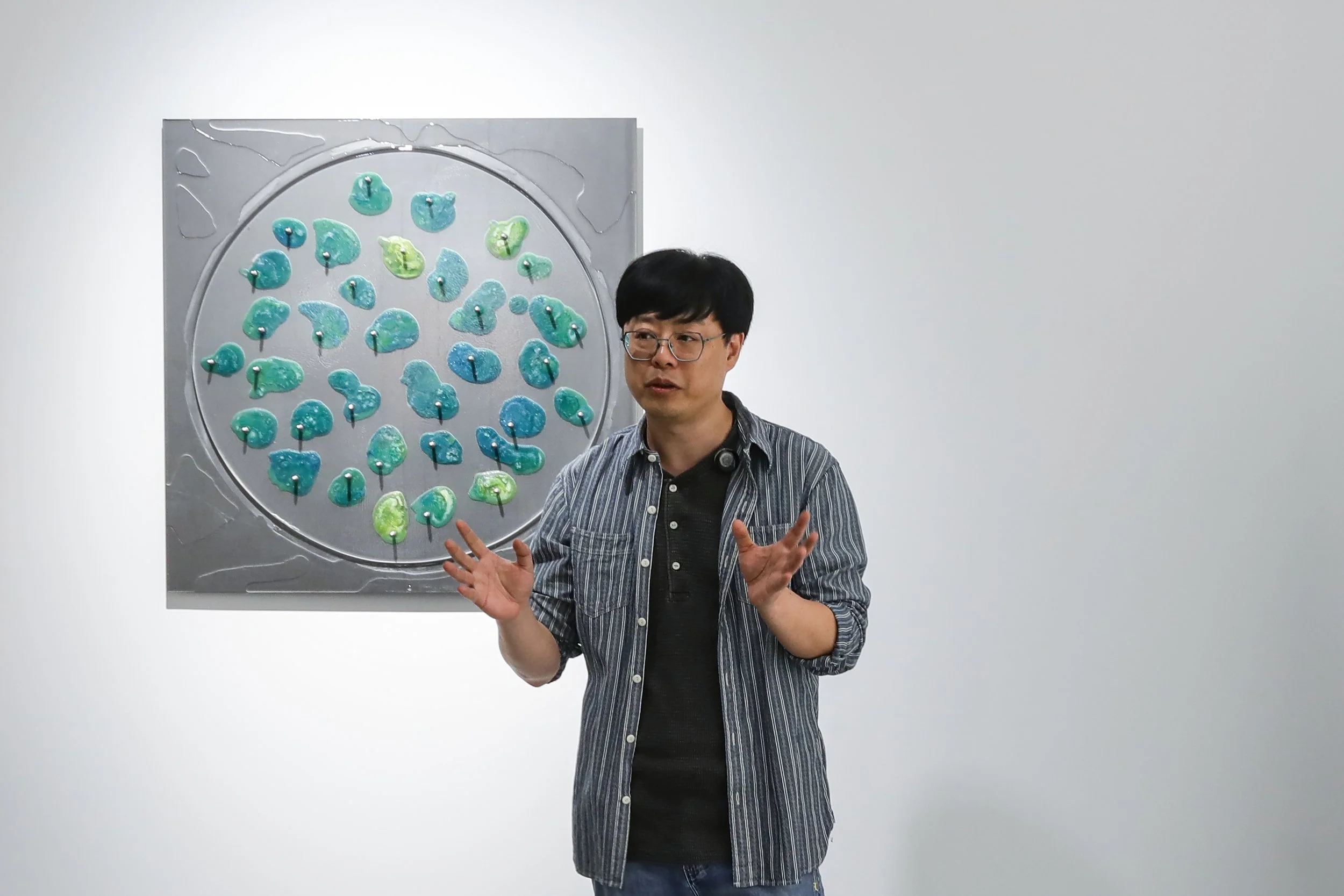
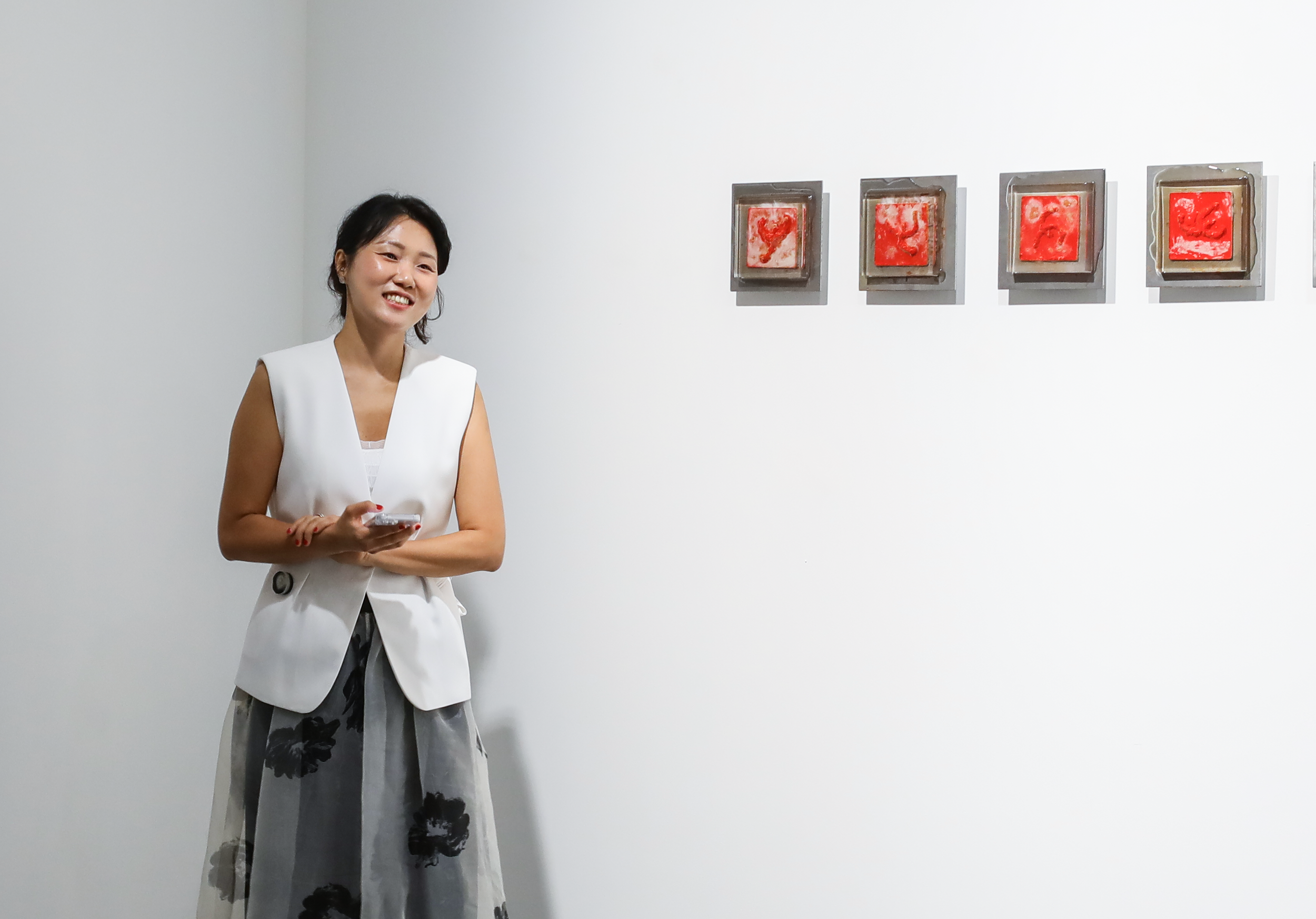
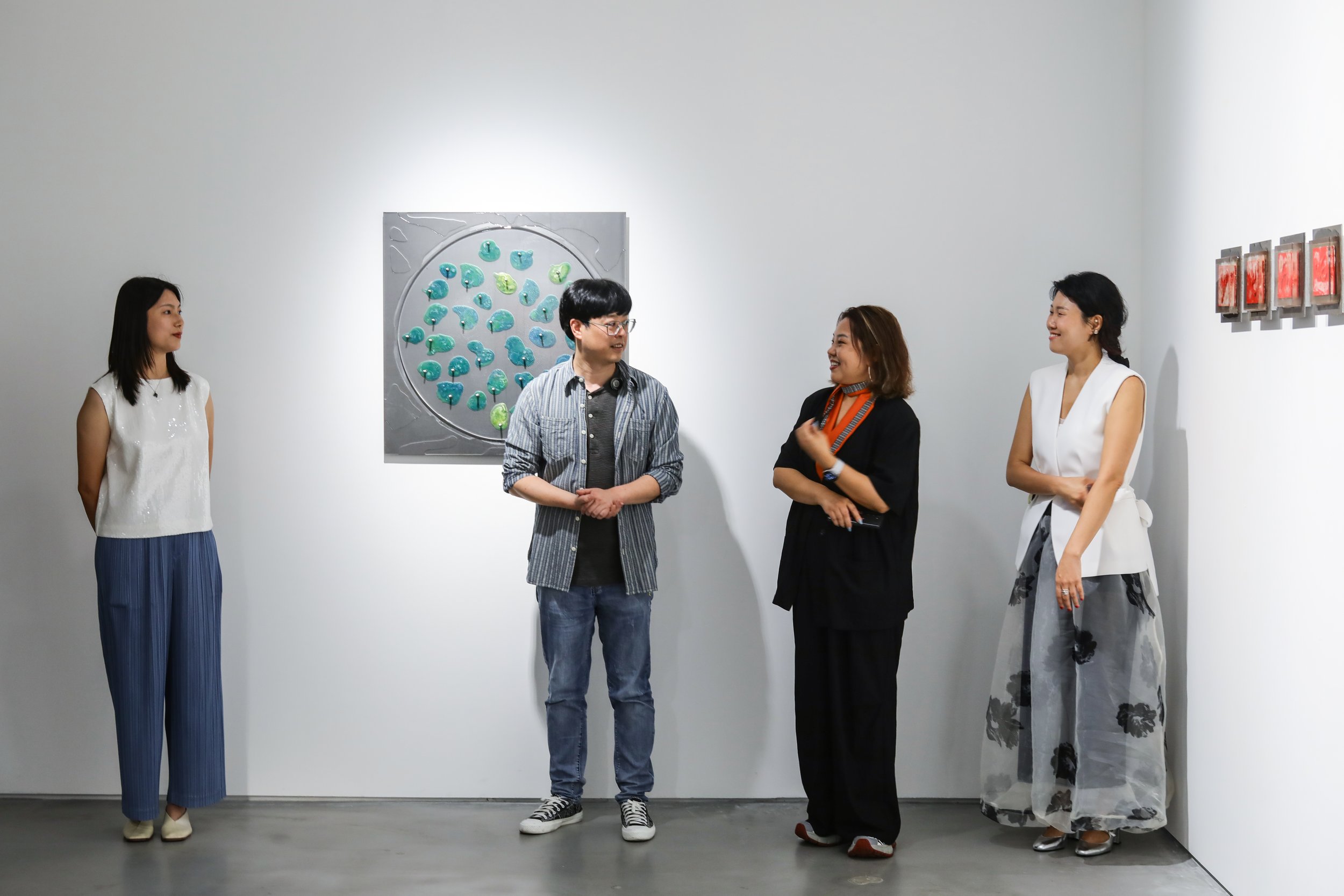
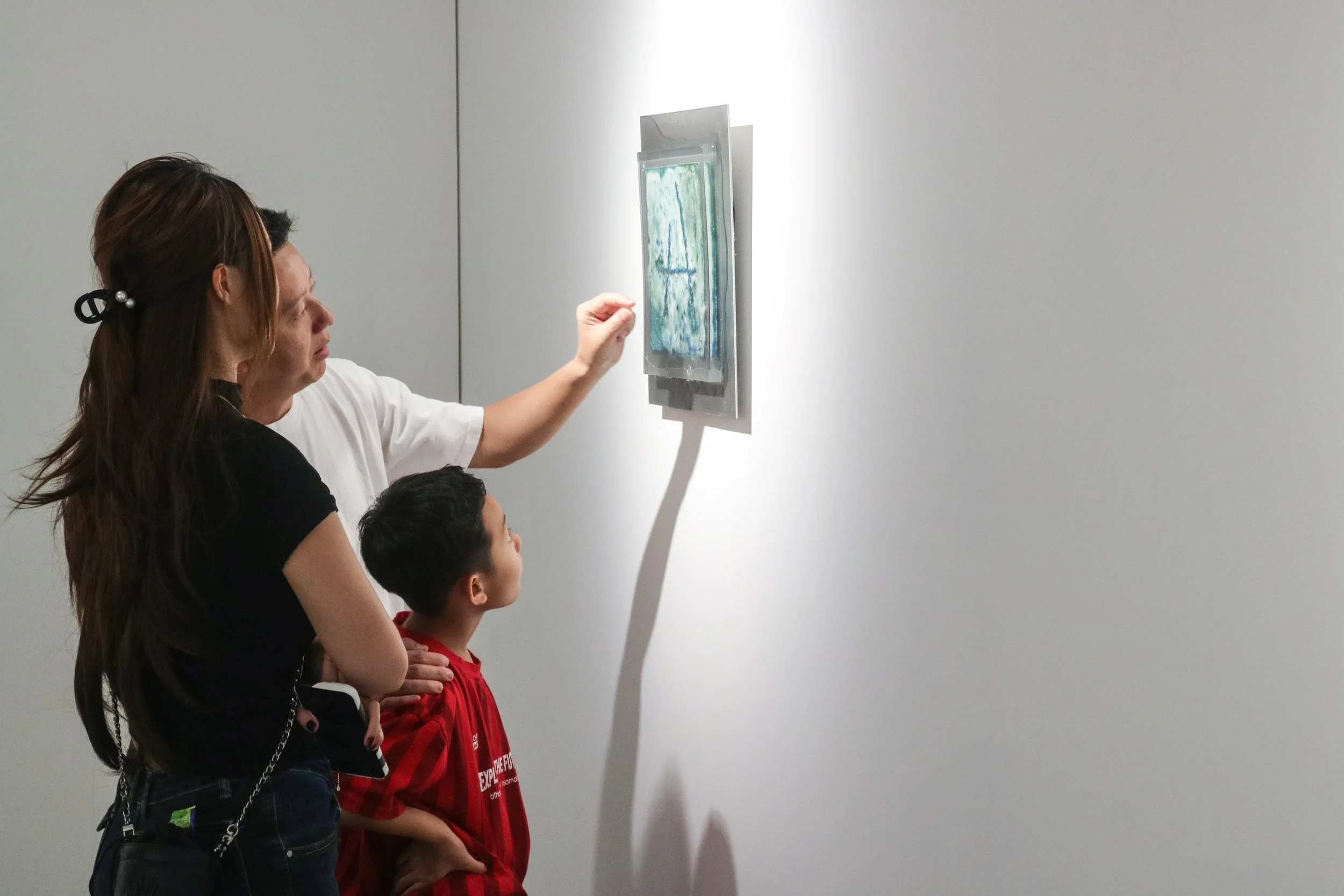
In the hospital, he confronts harmful microorganisms in the effort to preserve life; in the studio, he cultivates and preserves penicillin mold, transforming it into a medium for sustained reflection on the intertwined conditions of life, time, and existence. This artistic practice offers an alternative response to questions of temporality and mortality—questions that lie beyond the reach of medicine.

The exhibition title Power of H⁺ becomes a conceptual and perceptual language through which the subtle fluctuations of life processes may be sensed. The preserved mold is not a static object, but a time-based presence imbued with potential—continuously unfolding through processes of becoming and transformation.

The exhibition invites viewers to reconsider established assumptions about life, time, and existence, and ultimately to ask what we truly mean when we speak of “life.”

Curated by Korean curator Dr. Cho Hyejung.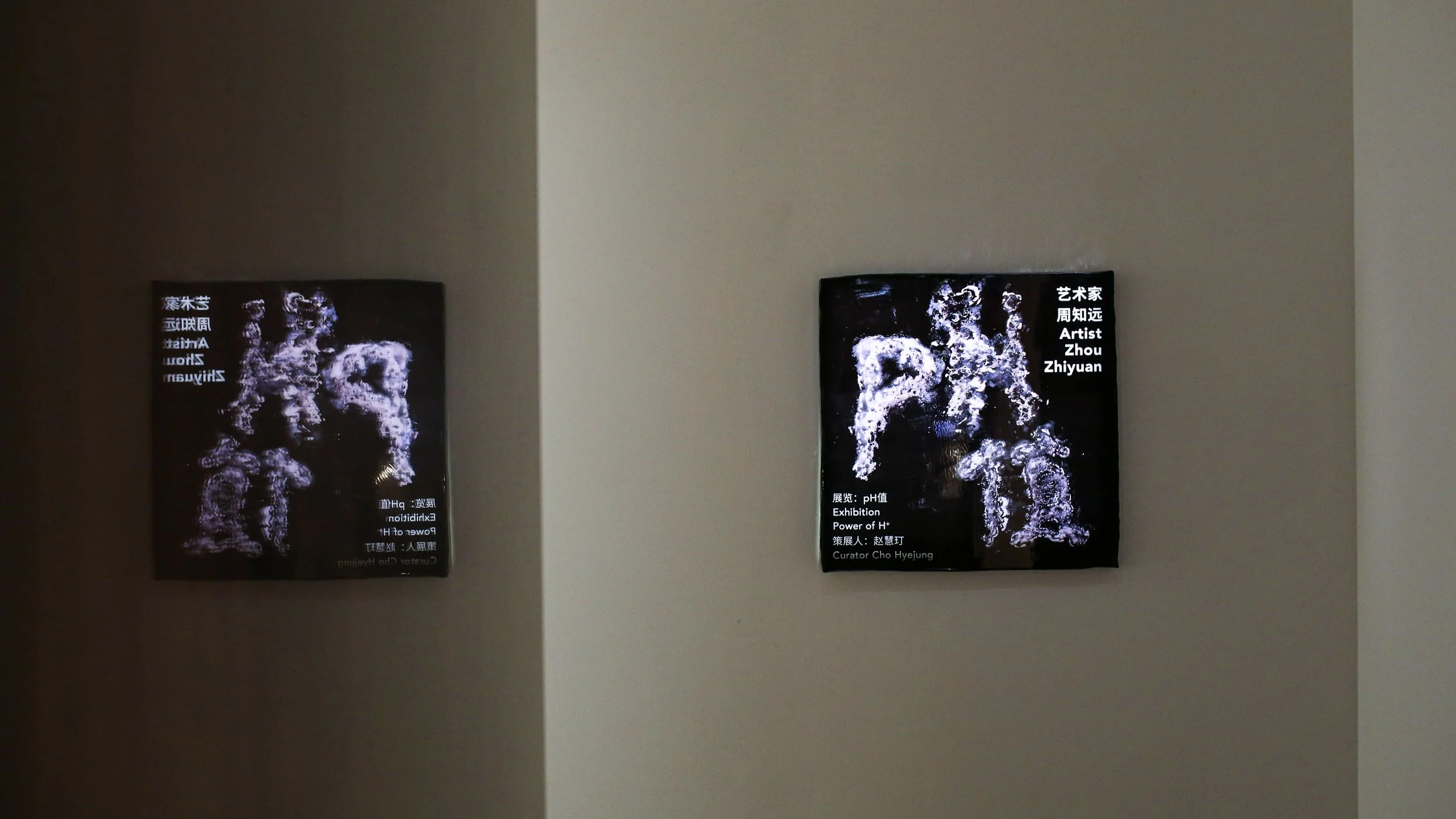
Artist
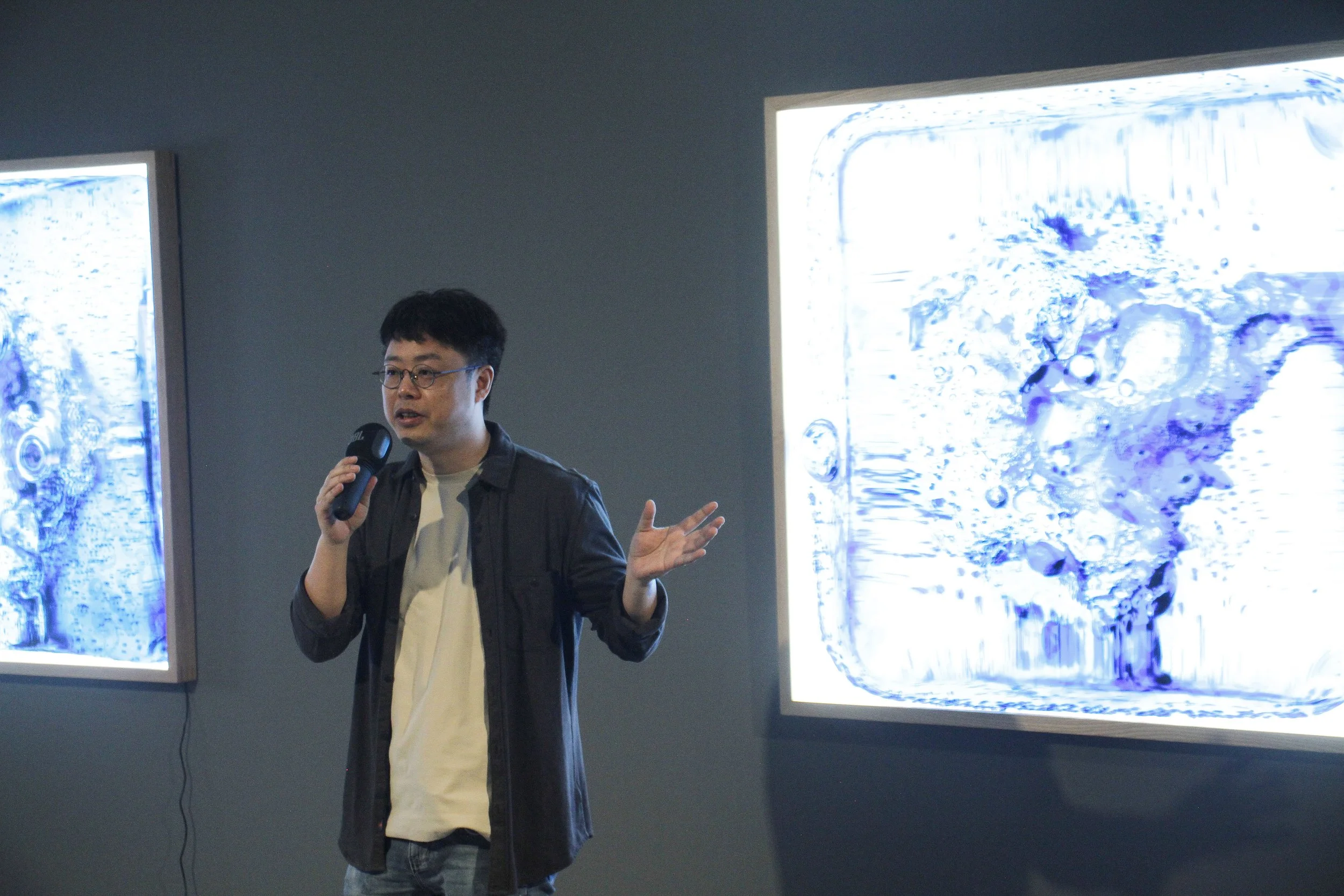
Born in 1976 in Hunan, China, and currently lives and works in Shenzhen. Having worked for 19 years in the Intensive Care Unit (ICU) at Shenzhen People’s Hospital, his artistic practice has consistently revolved around the question of life.
Through a uniquely attentive perspective, Zhou observes life at its most subtle thresholds. Working across multiple media and digital imaging, he translates the sensorial experience of life into forms of rational record and poetic revelation. His practice challenges the conventional boundary between life and death, shaping how viewers reflect upon the meaning of existence.
In 2022, his work Spore (formerly titled Starfield) was presented in the 5th Asian Art Biennale organized by the Fukuoka Asian Art Museum in Japan, where it was awarded the highest honor, the Gold Award.