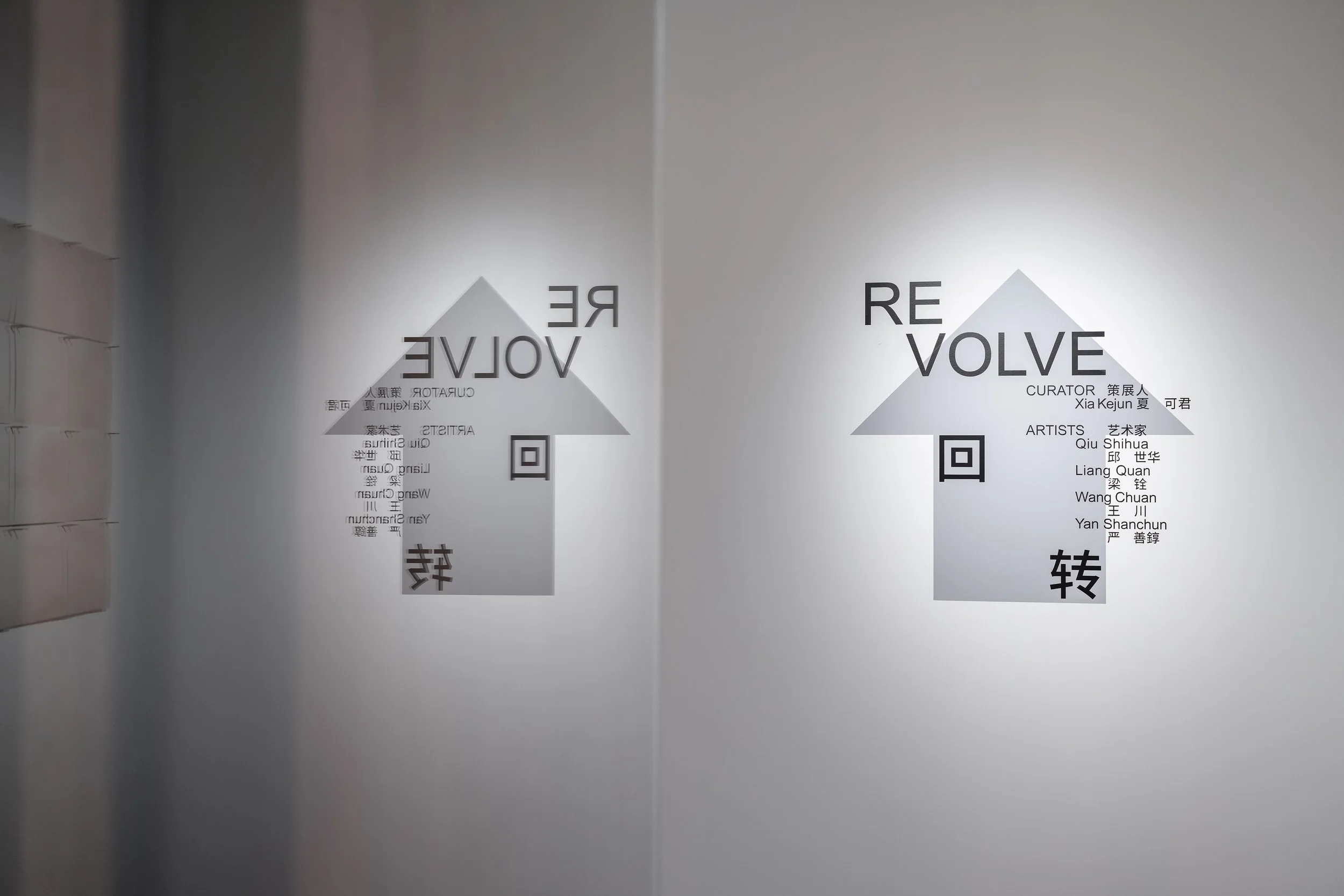
REVOLVE
Ferris Gallery is pleased to present emerging artist Chen Huanping’s debut solo exhibition The Voice Amidst Silence, curated by emerging curator Fan Xinran.
The Voice Amidst Silence precisely captures the core sensibility of Chen’s practice: silence here does not signal the absence of sound, but rather contains an active, expressive inner force. Working across shifting materials, Chen draws inspiration from everyday objects, classical poetry, cosmic speculation, and introspective reflection, constructing a contemplative field of quiet resonance.
Rather than anchoring the exhibition to a fixed thematic axis, the curatorial framework proposes three pathways into her paintings. One may approach them as scores awaiting performance, where “subtle stimuli” are translated into rhythm and notation. Alternatively, they can be read as visual transcriptions of poetry—imbued with an Eastern sense of restraint that gestures toward the vastness of the cosmos and the minuteness of human existence. At the same time, the works bear the imprint of daily practice: the alternating use of lacquer and acrylic establishes a lived rhythm, whose traces are sealed into the very surface of the paintings.
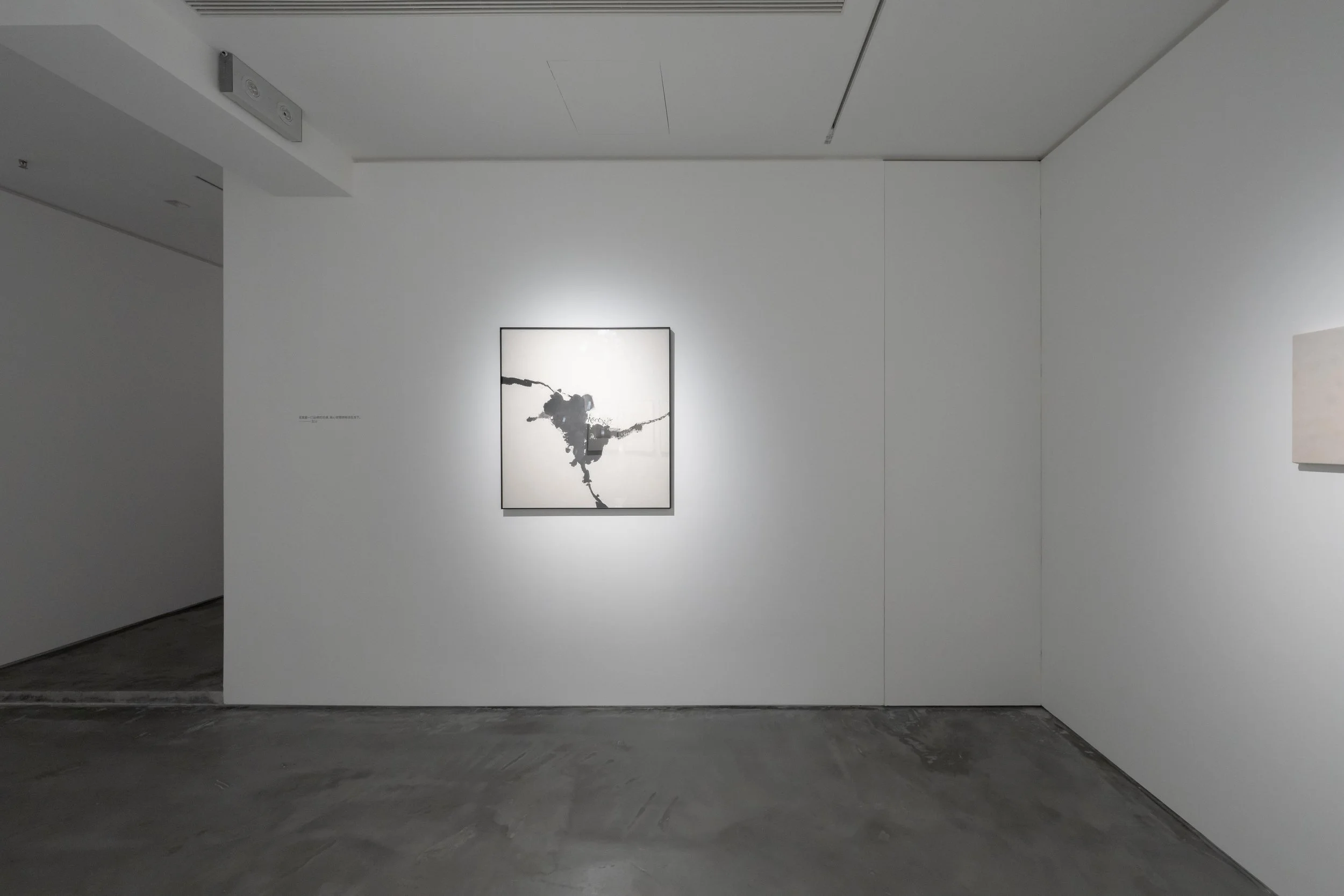
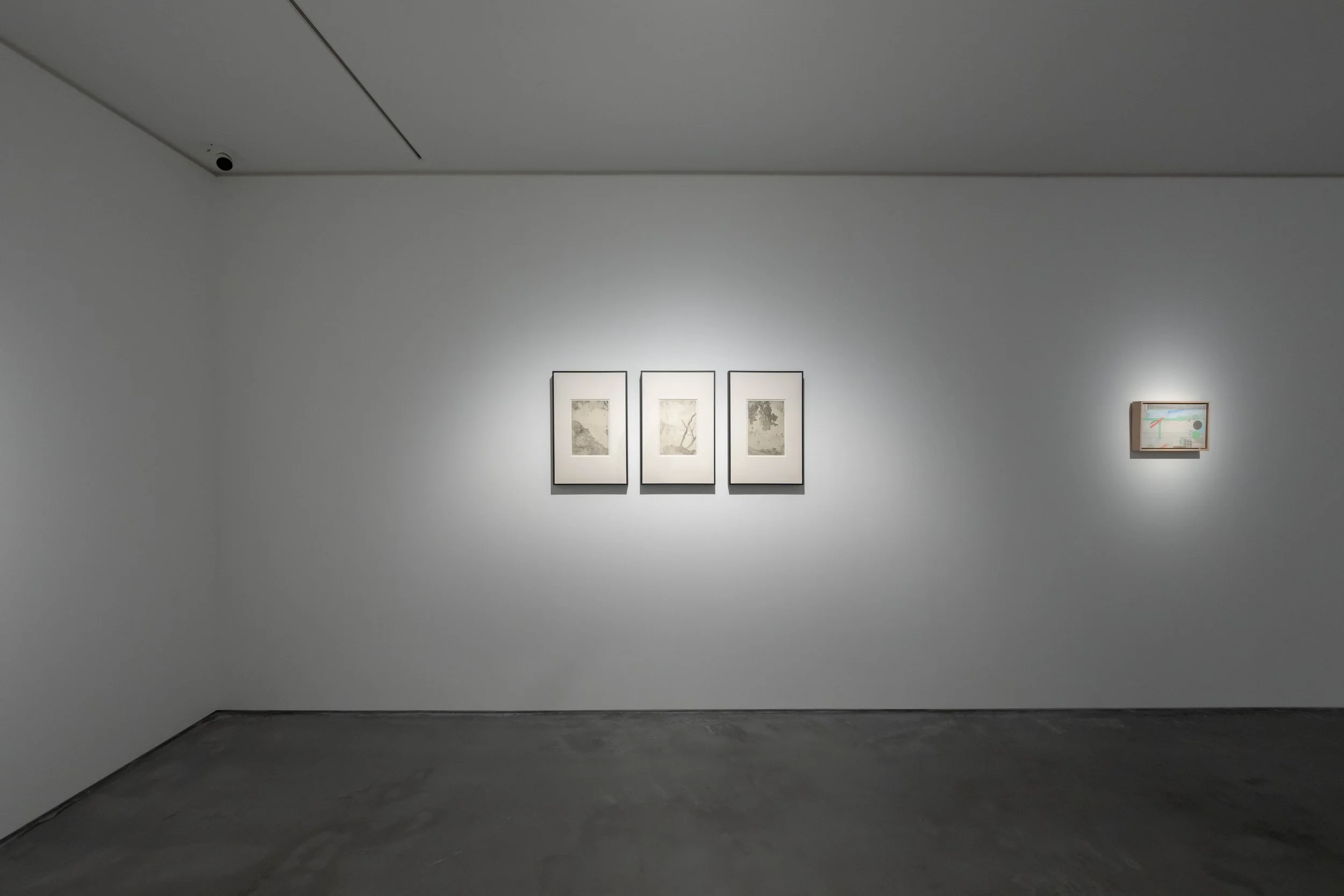
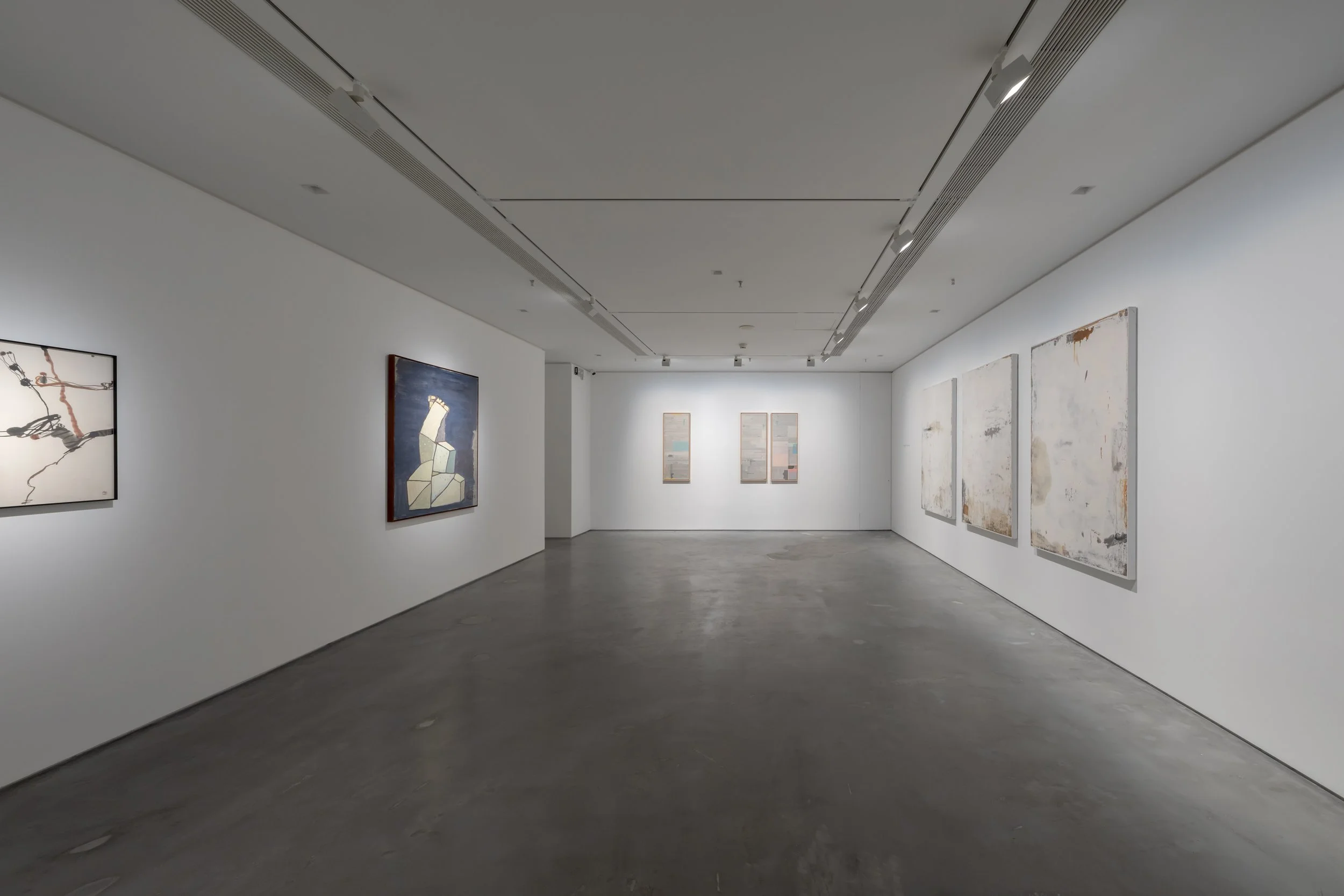
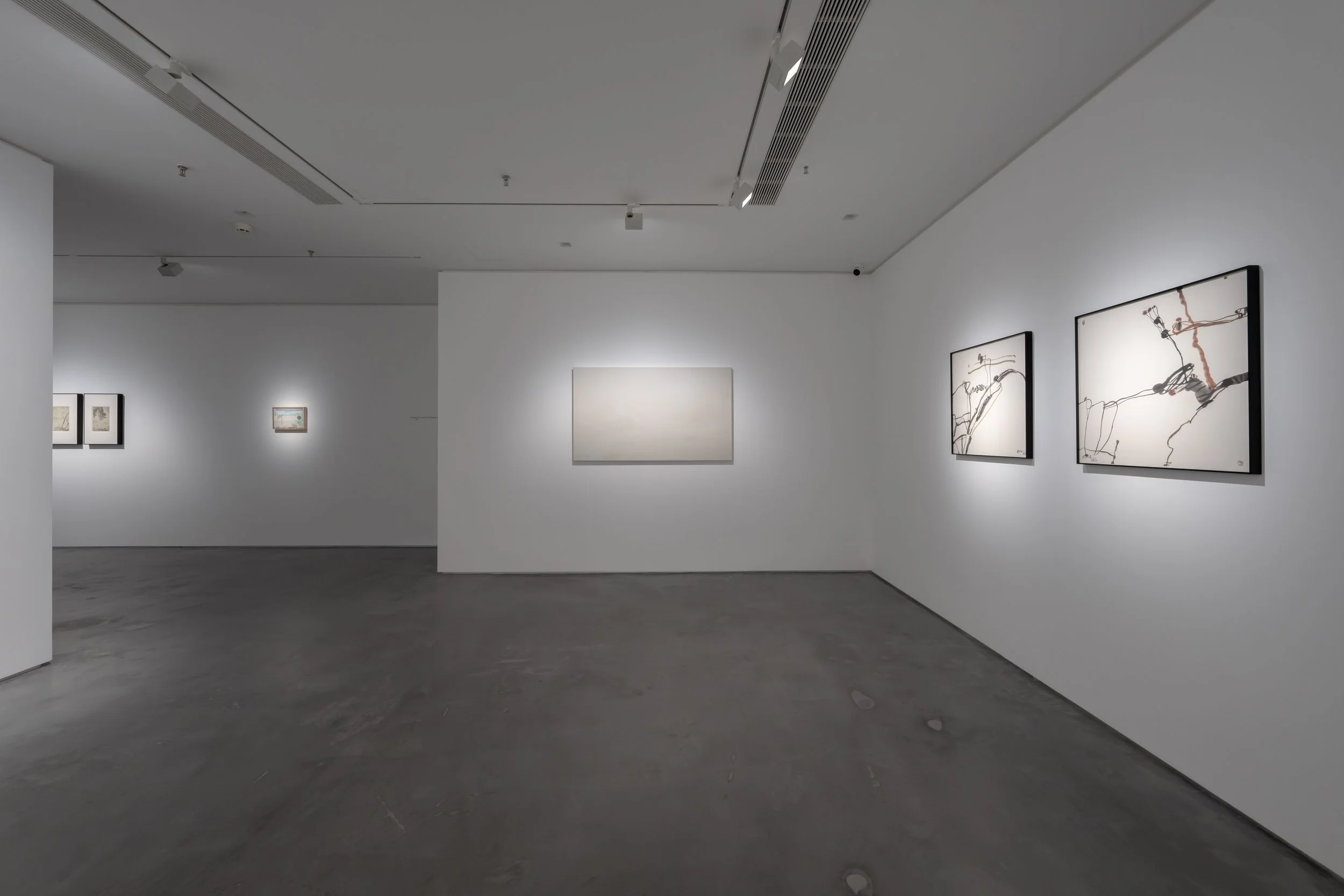
Artists
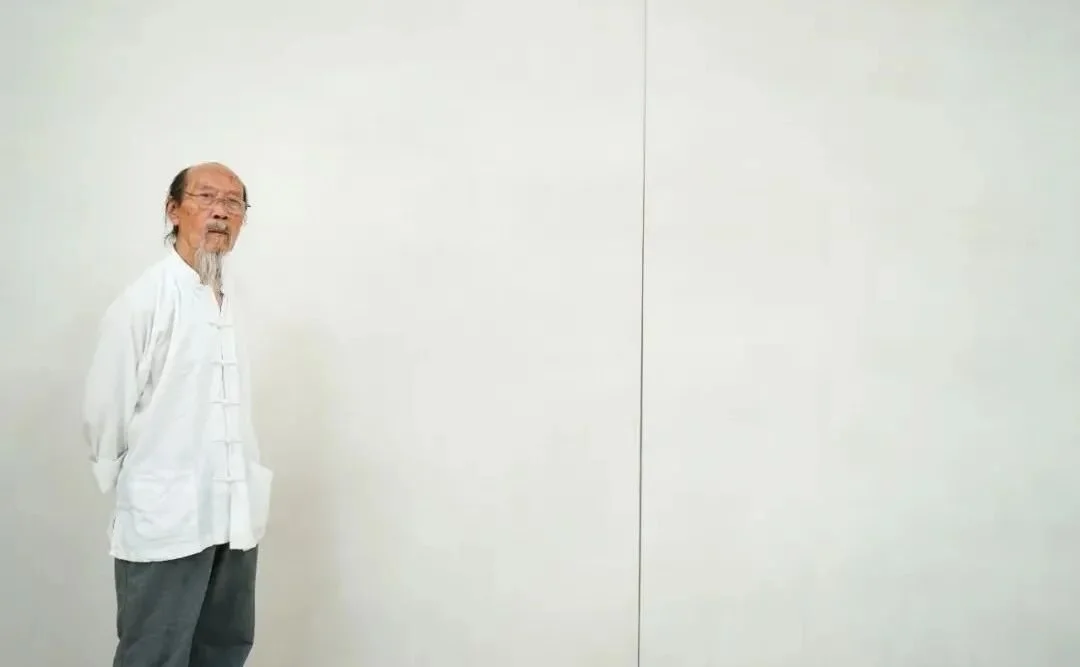
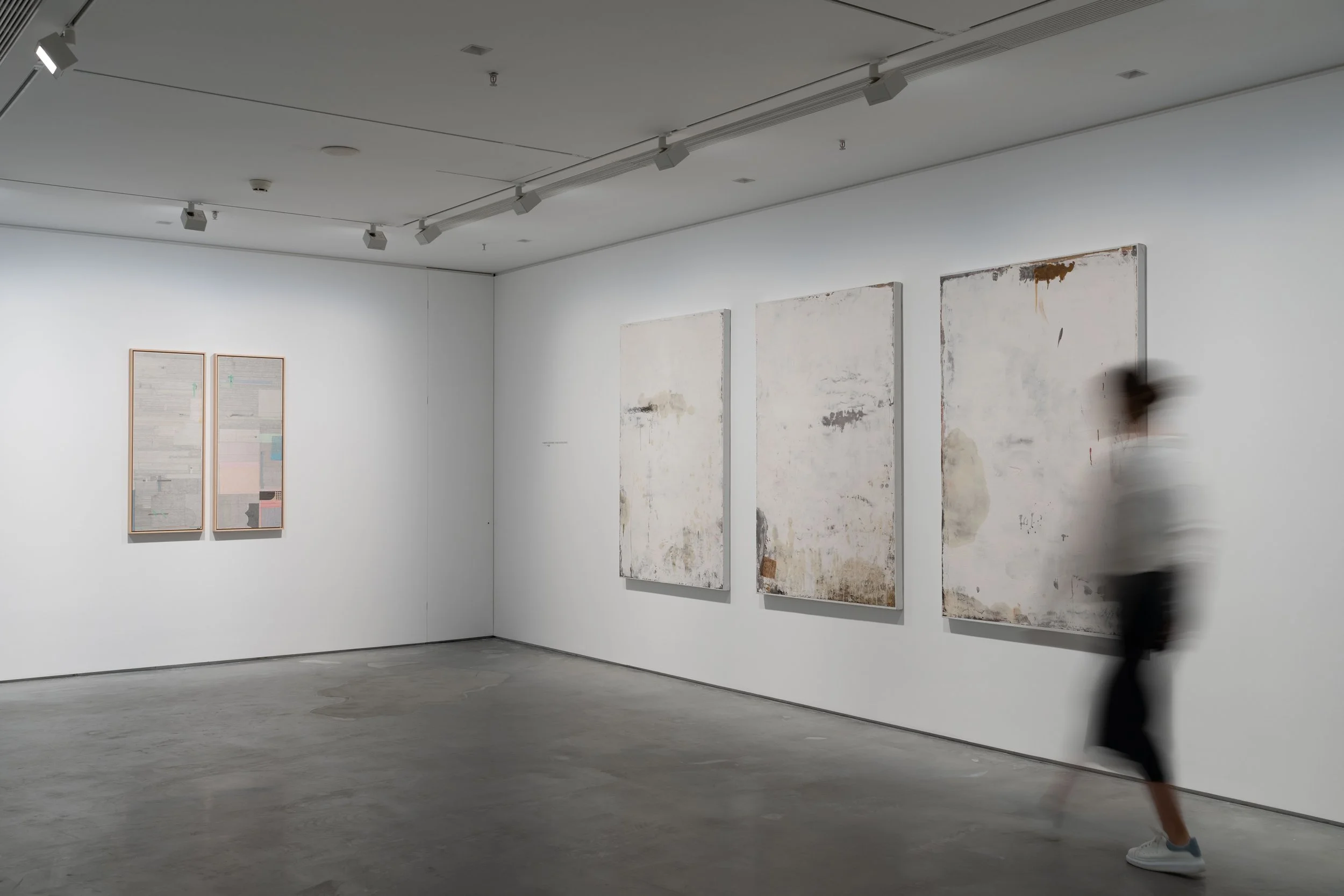
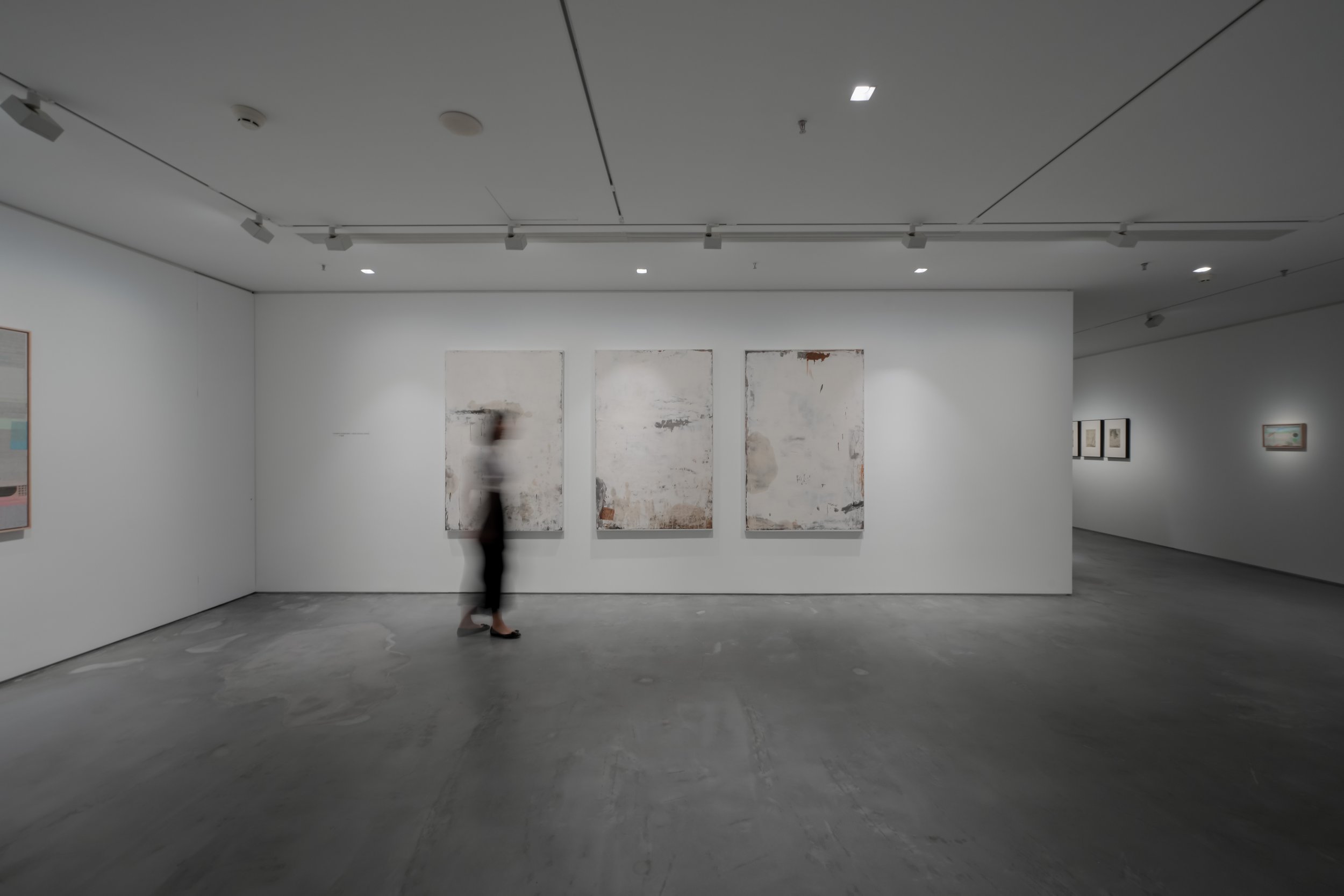
Qiu Shihua
Qiu Shihua was born in 1940 in Sichuan, China. He graduated from the Xi’an Academy of Fine Arts in 1962, majoring in oil painting. In 1984, he relocated to Shenzhen and now lives in the United States.
Qiu Shihua is recognized as both an important participant in and witness to the development of contemporary Chinese art. He took part in the landmark China’s New Art, Post-1989 exhibition in 1995, was invited as a special guest to the 23rd São Paulo Biennial in 1996, participated in the 48th Venice Biennale in 1999, and the Berlin Biennale in 2001.
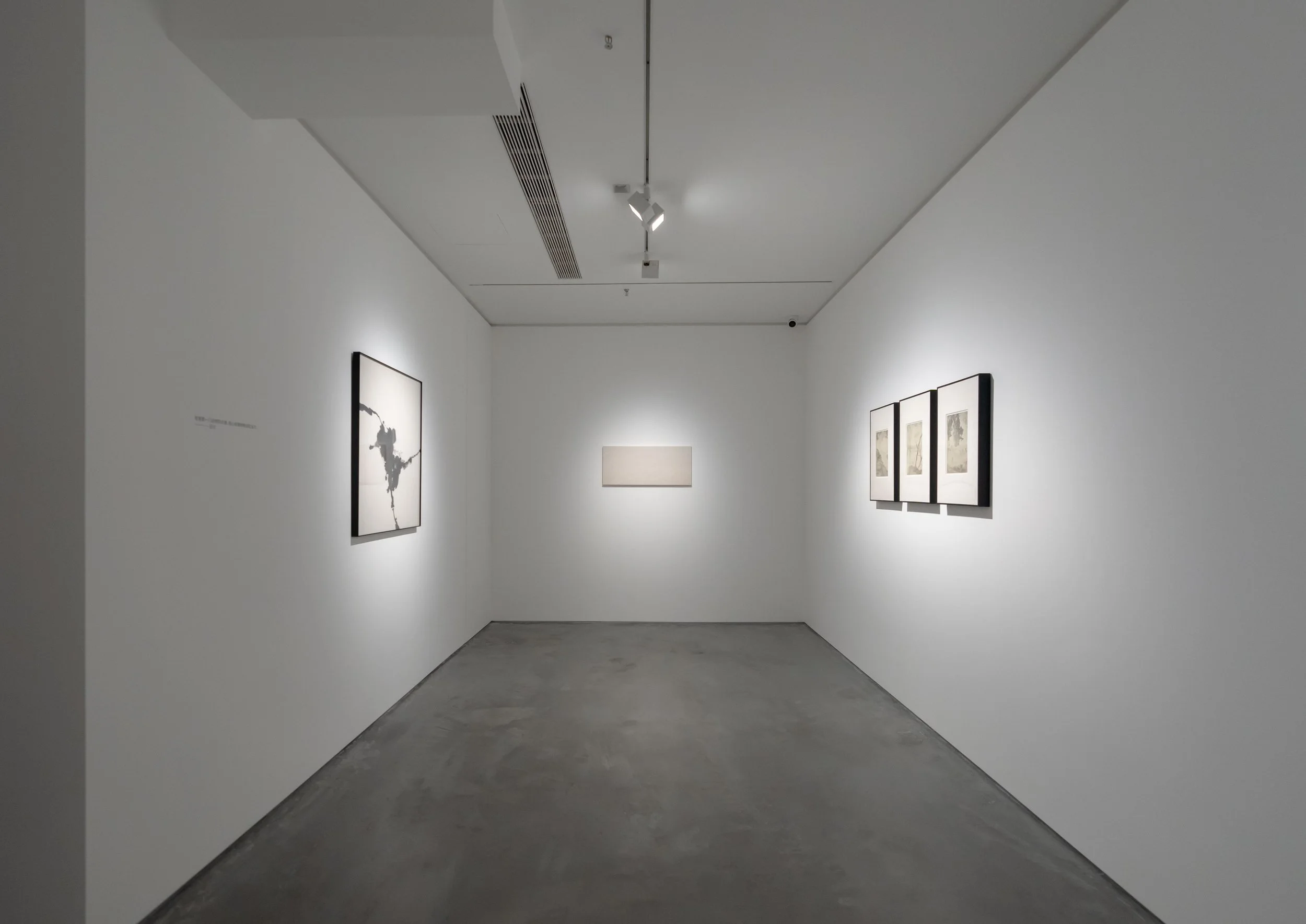
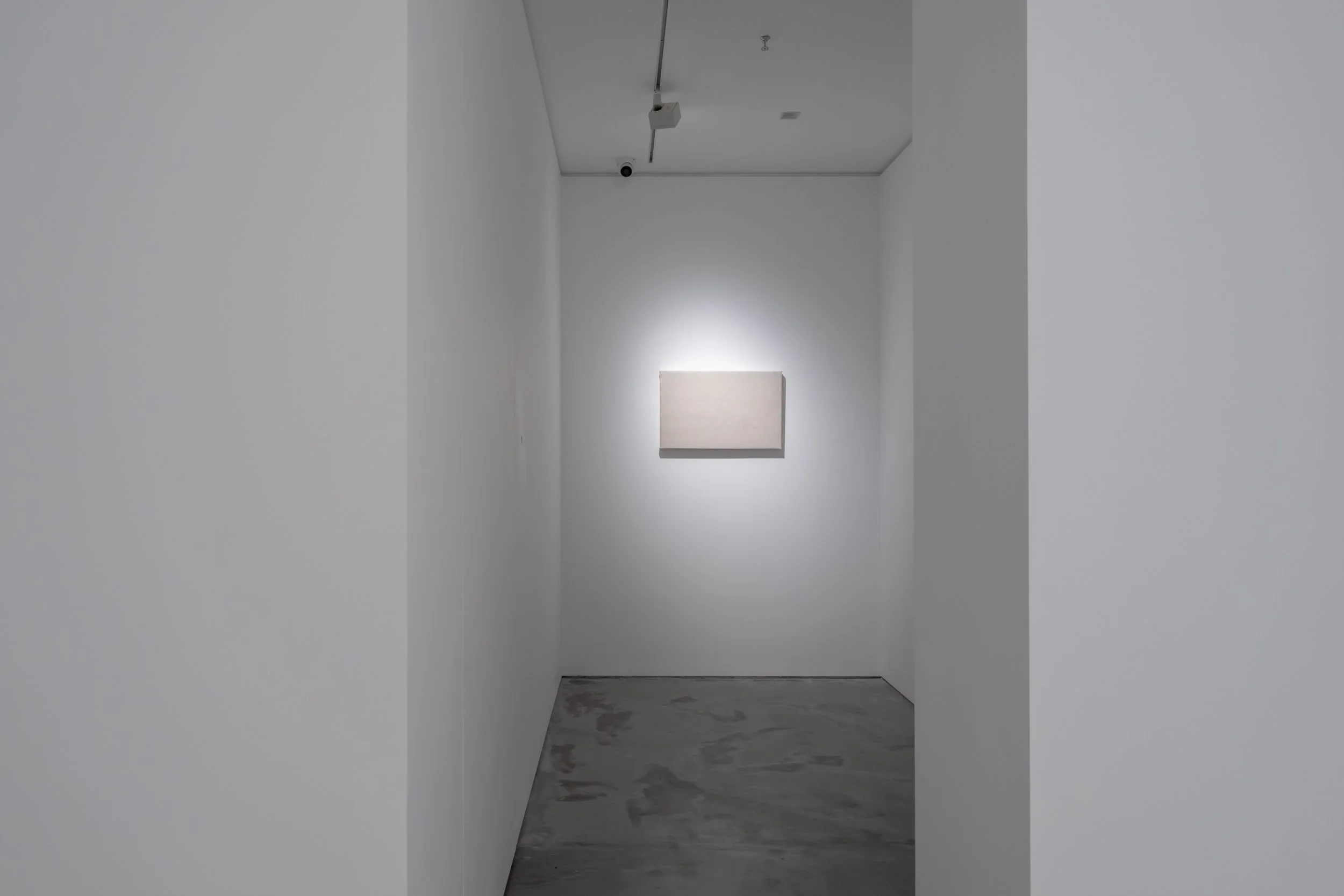
Qiu’s “white paintings” unfold within a space between the visible and the invisible, transforming perception between outward appearance and inward contemplation. On near-monochrome canvases, he evokes vast, elusive imagery imbued with an Eastern sensibility — shifting from the mysterious landscapes of childhood memory toward a sublime realm beyond the material world.
His works are held in major institutional collections worldwide, including the Metropolitan Museum of Art, Los Angeles County Museum of Art, Royal Academy of Arts, Fondation Louis Vuitton, Kunstmuseum Basel, Israel Museum, M+, and the National Art Museum of China.
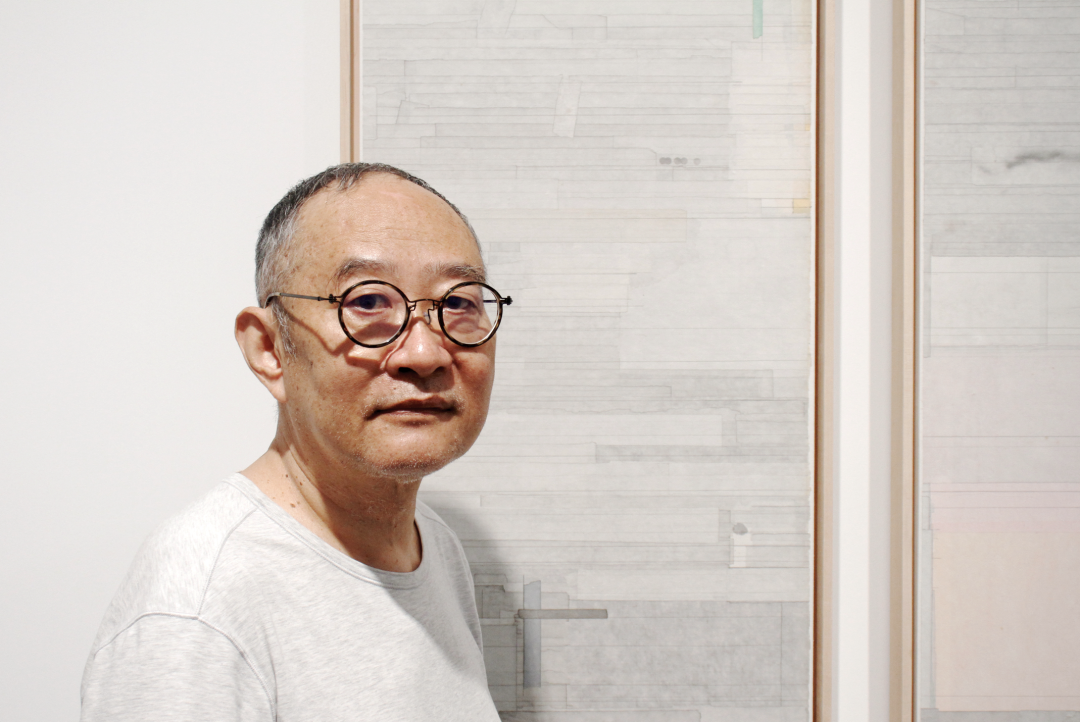
Liang Quan was born in 1948 in Shanghai, with ancestral roots in Zhongshan, Guangdong. In 1964, he enrolled in the Affiliated High School of the Zhejiang Academy of Fine Arts. He went to the United States for further study in 1981. After returning to China, he taught at the Zhejiang Academy of Fine Arts and, in 1995, joined the Shenzhen Fine Art Institute as a full-time artist.
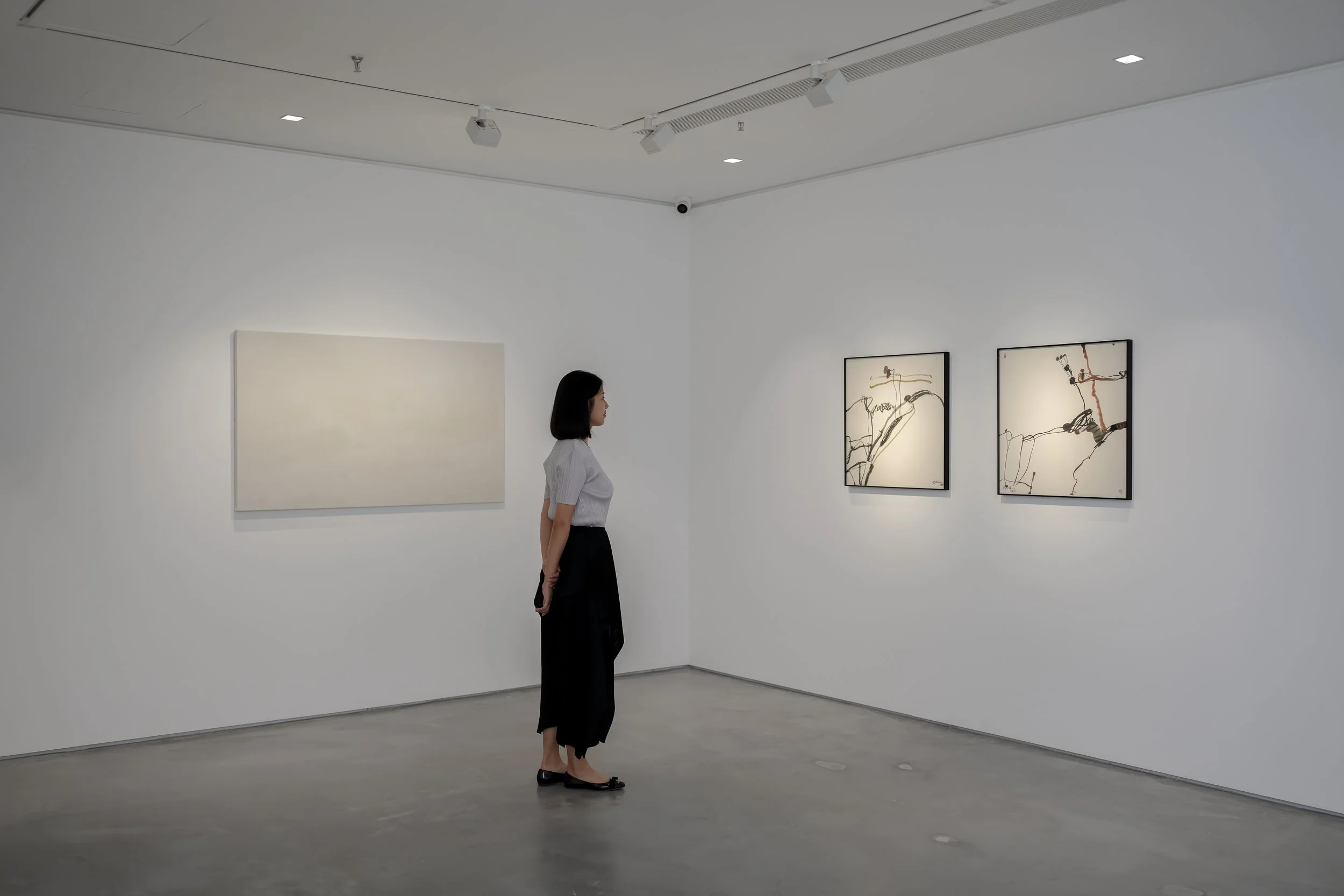
Liang Quan is regarded as a pioneering figure in the exploration of abstract ink art in contemporary China. His practice integrates dual visual traditions from both East and West. While drawing from Western modern and contemporary art, he returns — through language and form — to the humanistic spirit embedded in Chinese cultural tradition.
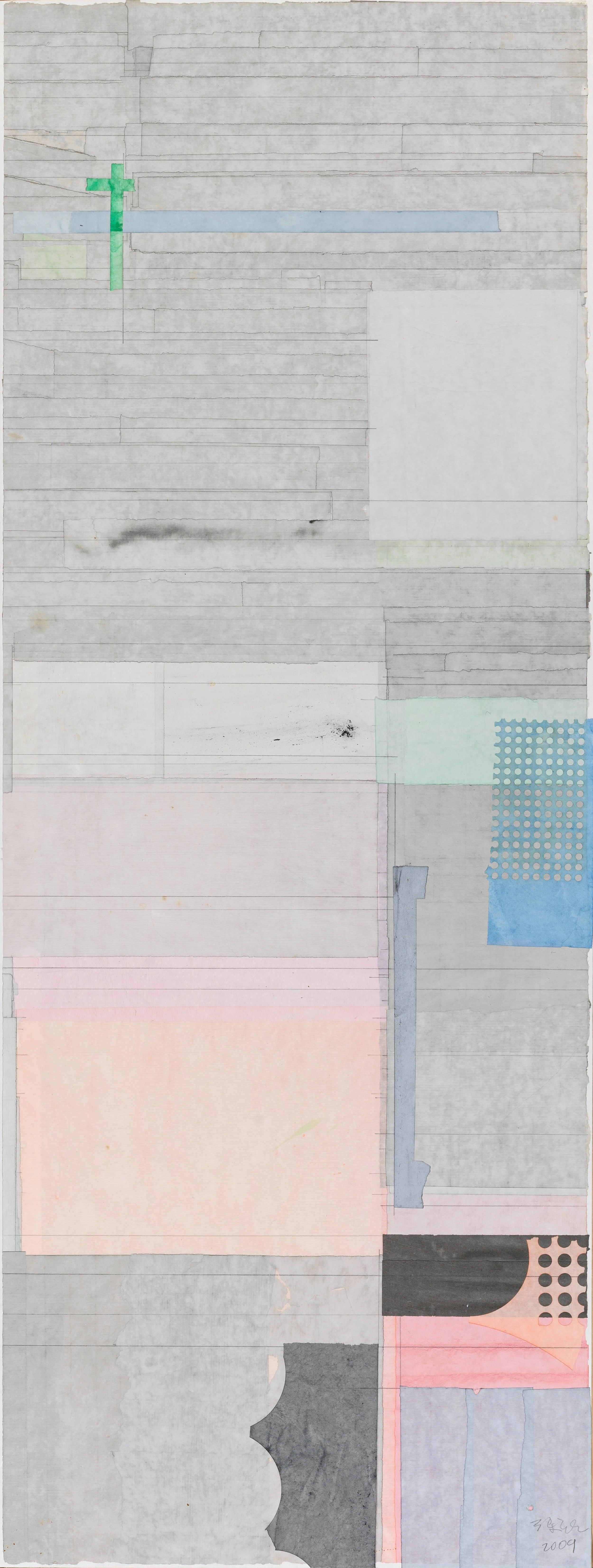
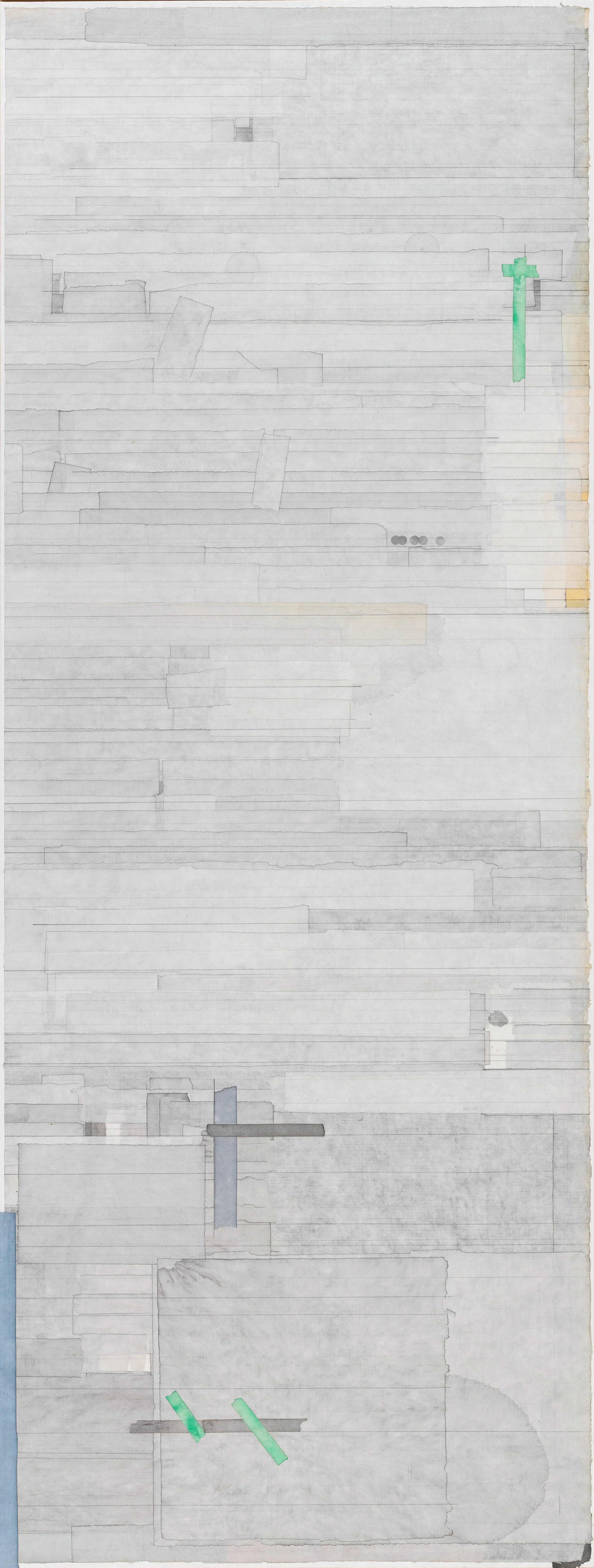
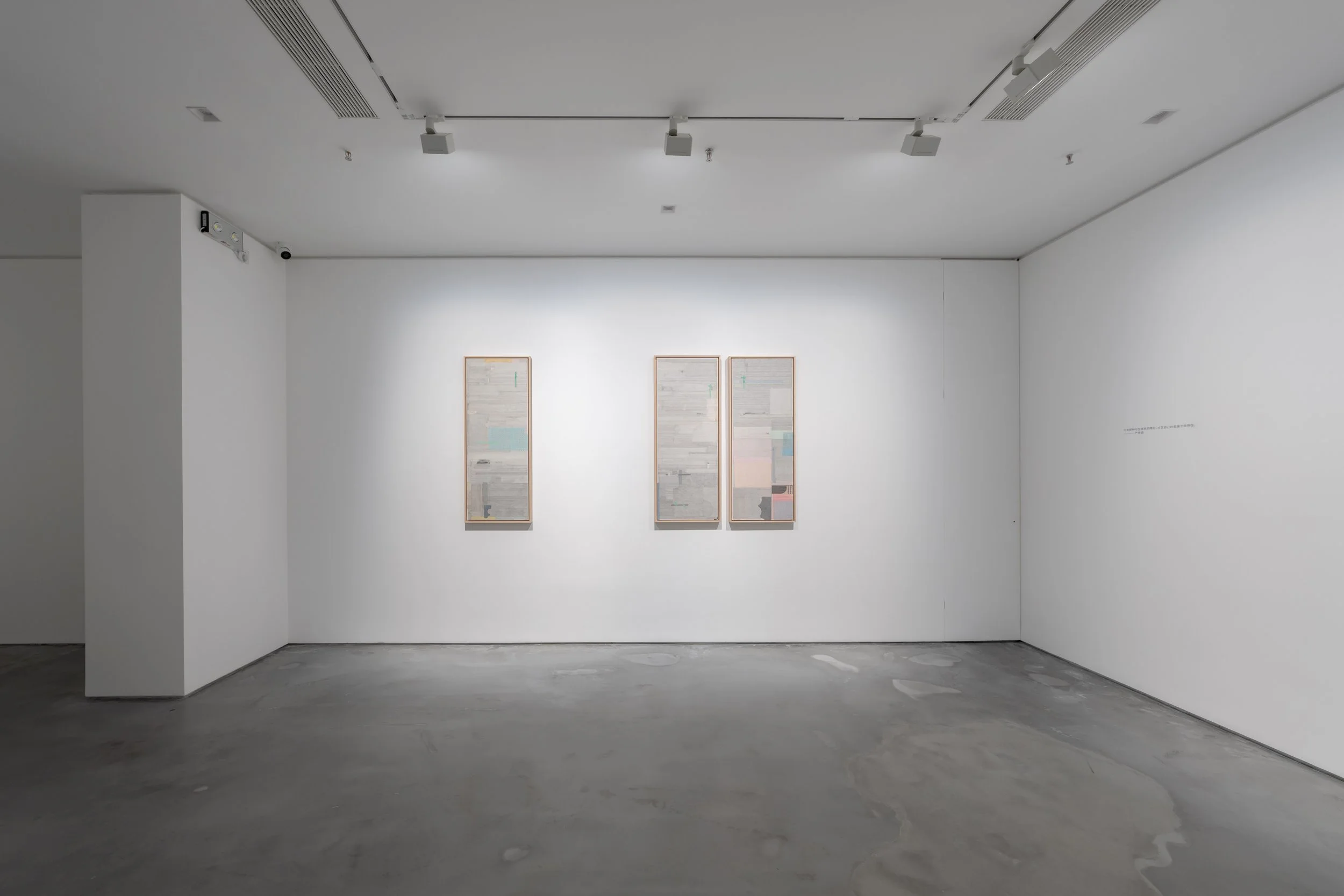
Working primarily with xuan paper and ink, Liang employs a meticulous process of tearing, dyeing, cutting, and collaging to construct a restrained geometric abstraction. His works evoke a serene spatial realm and a contemplative, immaterial landscape.
His works are held in major institutional collections worldwide, including the British Museum, White Rabbit Gallery, University of San Francisco, Hong Kong Museum of Art, M+, Asian Art Museum, and the National Art Museum of China.
Liang Quan
Wang Chuan
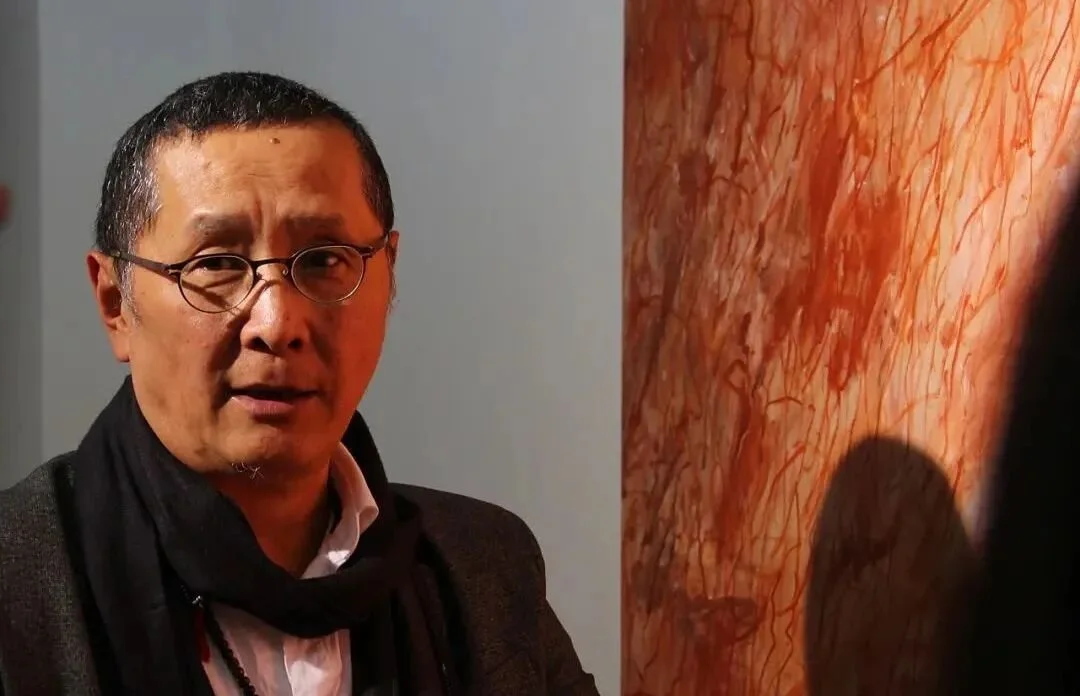
Wang Chuan was born in 1953 in Chengdu, Sichuan. He graduated in 1982 from the Chinese Painting Department of the Sichuan Fine Arts Institute. In 1997, he relocated to New York. In 1998, after being diagnosed with stomach cancer, he embarked on what he described as an “exilic” artistic journey. He currently lives and works between Shenzhen, Beijing, and Chengdu.
Wang Chuan is recognized as an important figure in the development of contemporary Chinese art. In the 1980s, his work Farewell, Little Road became emblematic of the Scar Art movement. In 1986, he initiated and curated Shenzhen’s first street-based modern art exhibition, Zero, which was later recognized as part of the ’85 New Wave Movement — marking a significant moment for avant-garde art in southern China. His large-scale solo exhibition Ink · Dot, held in Shenzhen in 1990 and integrating installation, performance, and abstract ink, became a seminal starting point for conceptual ink experimentation in China during the 1990s.
His works are held in major institutional collections worldwide, including the British Museum, Los Angeles County Museum of Art, Asian Art Museum, Finnish National Gallery, M+, Asia Art Archive, UCCA Center for Contemporary Art, Long Museum, Guangdong Museum of Art, He Xiangning Art Museum, and OCT Contemporary Art Terminal.
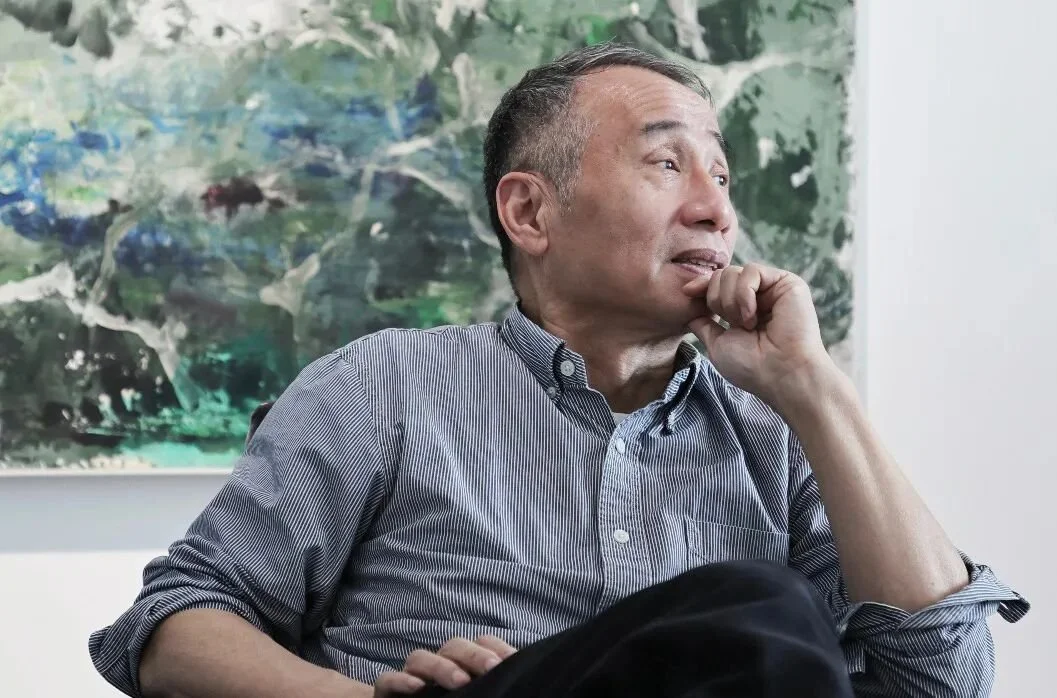
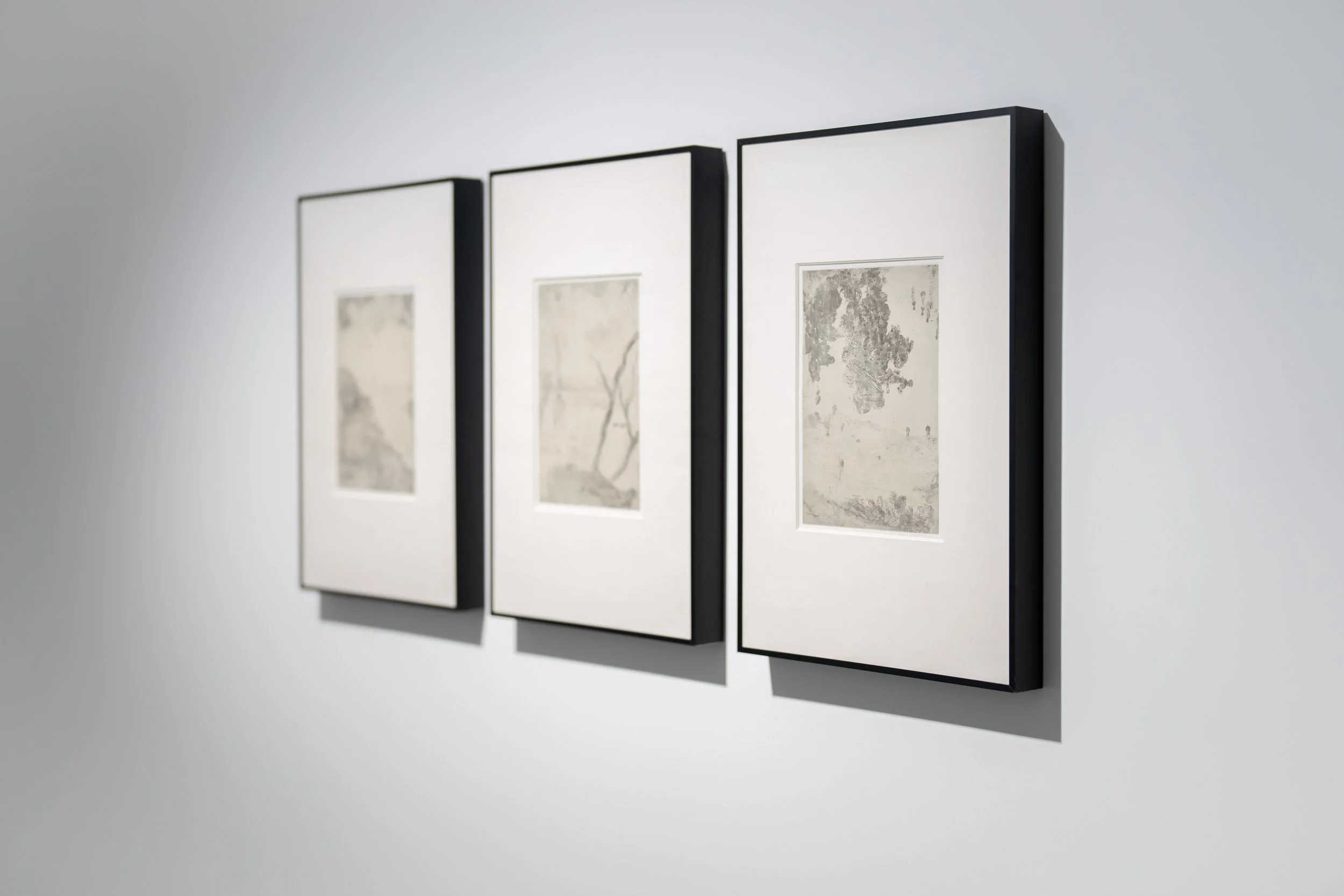
Born in 1957 in Hangzhou, Zhejiang, Yan Shanchun holds a bachelor’s degree from the Printmaking Department of the China Academy of Art and a doctoral degree from its Department of Art History and Theory. In 1993, he transferred from the Hubei Academy of Fine Arts to the Shenzhen Art Museum, where he served as a research fellow and later as deputy director. He currently lives and works in Shenzhen and Hangzhou.
Over the years, Yan Shanchun has devoted himself to both art theory and artistic practice. He has developed a particularly nuanced understanding of the dialogue between traditional Chinese literati painting and Western abstraction, integrating multiple visual languages and continually exploring their expressive and formal possibilities. Working primarily with etching and mixed media, his practice reflects on memory and perception through evocations of the landscapes of West Lake in Hangzhou and the Fuchun River. His work is marked by a refined economy of form and a resonant depth of meaning, through which he has established a distinctive artistic language and personal style—one imbued with both historical richness and forward-looking vitality.
His major publications include Issues in Contemporary Art; The Taste, Schema, and Value of Literati Painting (co-authored with Huang Zhuan); and Literati and Painting: Painters in Official Histories and Fiction, among others.